Your Guide to Push-In Panel Plugs, Grommets, and Nylon Caps that Fit a 1 1/2" Hole
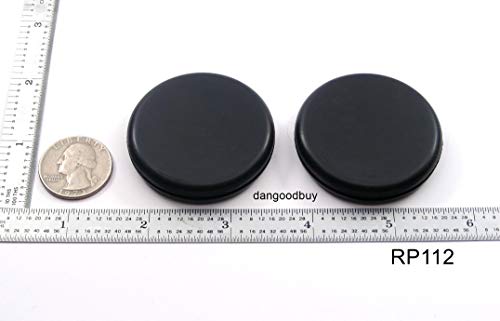
A 1-1/2″ hole opening (1.50″, sometimes listed as 1.500″ or ~38 millimeters) is a versatile and commonly used cut-out size across industrial, automotive, electrical, manufacturing, and consumer product applications. Because this hole size is neither very small nor excessively large, it fills the “medium-capacity” category—big enough to route bundles, tubing, or connectors, yet still compact enough for tight panel spaces. At dangoodbuy, our collection of rubber grommets, plugs, caps, and bumpers that fit a 1-1/2″ hole is built to give you the correct fit, reliable performance, and clean finish your project requires.
Choosing the right accessory for a 1-1/2″ hole is critical, because the wrong part can fall out, fail prematurely, or leave your equipment exposed to debris, vibration, moisture, or damage. Our mission is to provide perfectly sized solutions that install easily, fit securely, and last long-term.
Why You Might Have a 1-1/2″ Hole Opening
A 1-1/2″ diameter cut-out appears in a wide variety of equipment and installations. Some of the most common use cases include:
Wire and Cable Management
Medium-sized wiring bundles often require a hole larger than 1″ but smaller than 2″. A 1-1/2″ opening can accommodate cable harnesses, conduit, charging cables, sensor wiring, and protected tube assemblies. When paired with the correct grommet, the hole becomes a safe pass-through point that prevents abrasion and keeps wires centered and secure.
Panel Knockouts and Access Ports
Many electrical panels, junction boxes, HVAC housings, and control cabinets include pre-stamped knockouts around 1.50″. When these openings are not in use, installers typically need a plug or cap to seal them.
Connectors, Glands, or Specialty Hardware
Circular connectors, threaded fittings, and device mounts sometimes require a 1-1/2″ opening. If the hardware is removed or swapped out, a plug becomes necessary to maintain enclosure integrity.
Venting, Draining, or Temporary Openings
Some equipment includes 1-1/2″ holes to support temporary venting, draining, or pressure relief before final assembly. Caps or plugs are used afterward to close the hole.
Aesthetic or Safety Finishing
A raw hole is not only inconvenient—it can be unsafe. A properly fitted grommet or plug prevents injury, improves look and feel, and creates a professional finish.
Types of Products Used With a 1-1/2″ Hole
The dangoodbuy assortment for this size includes several categories, each designed for specific applications:
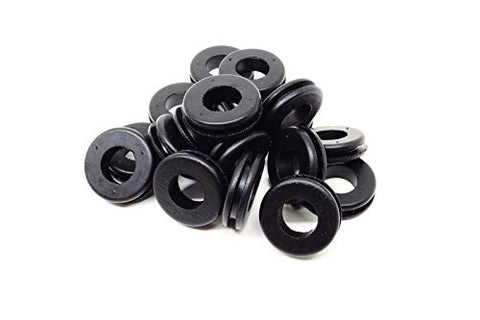
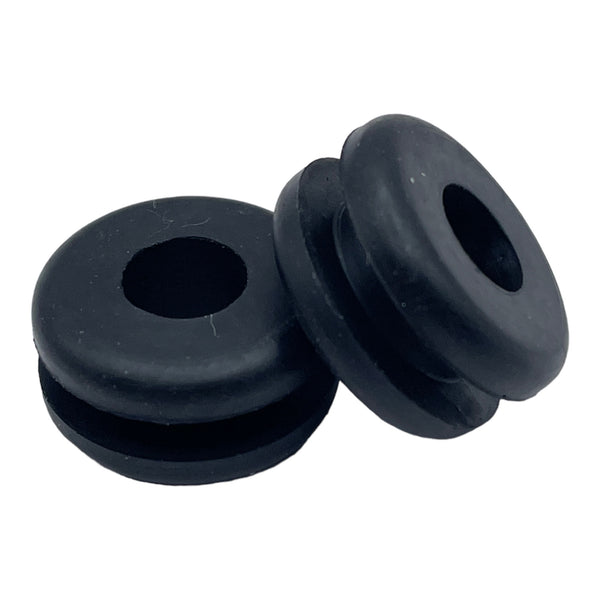
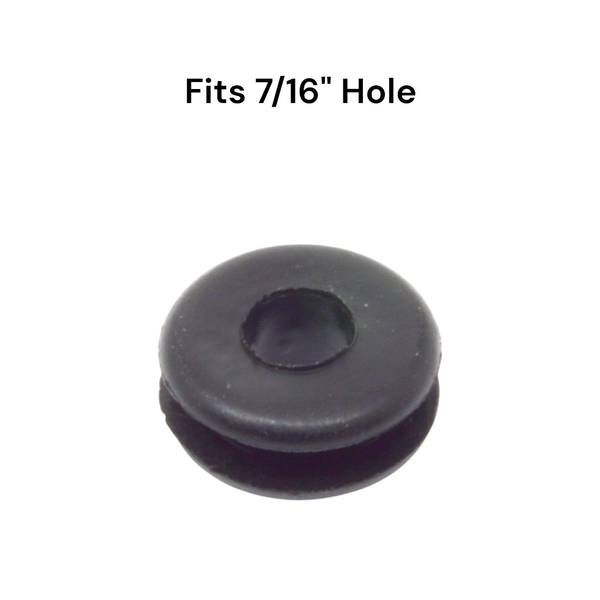
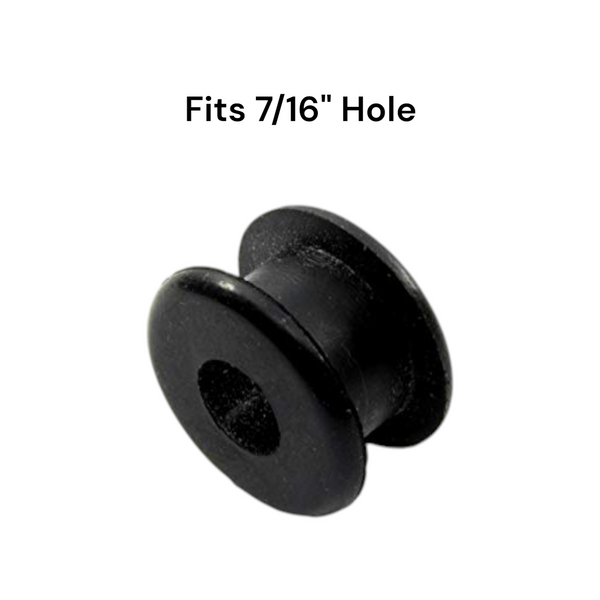
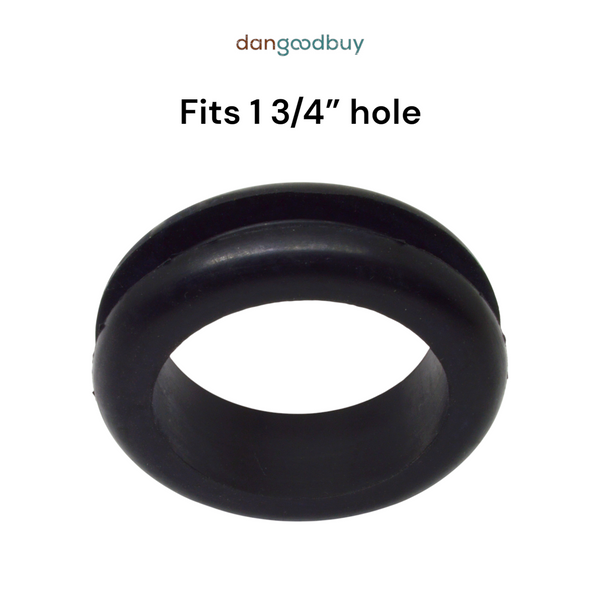
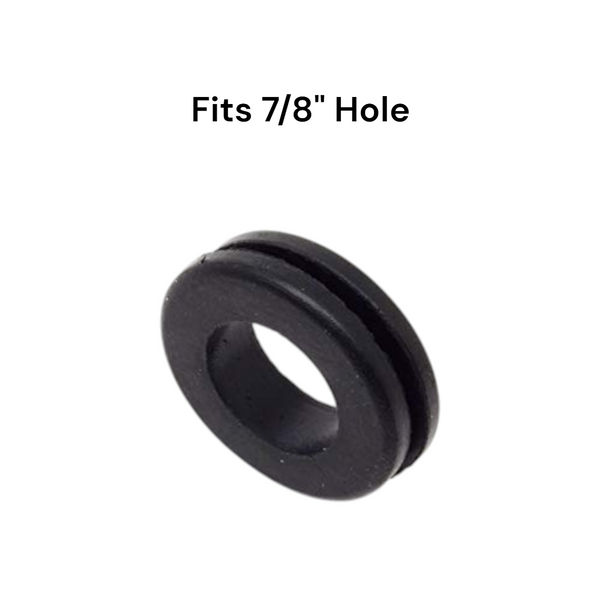
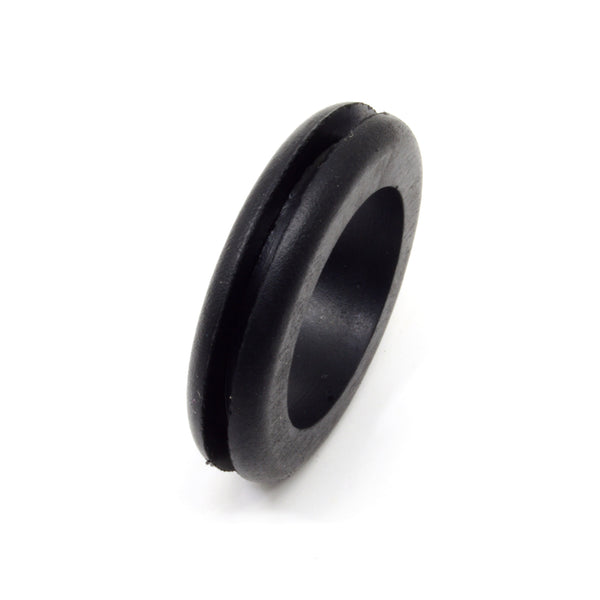
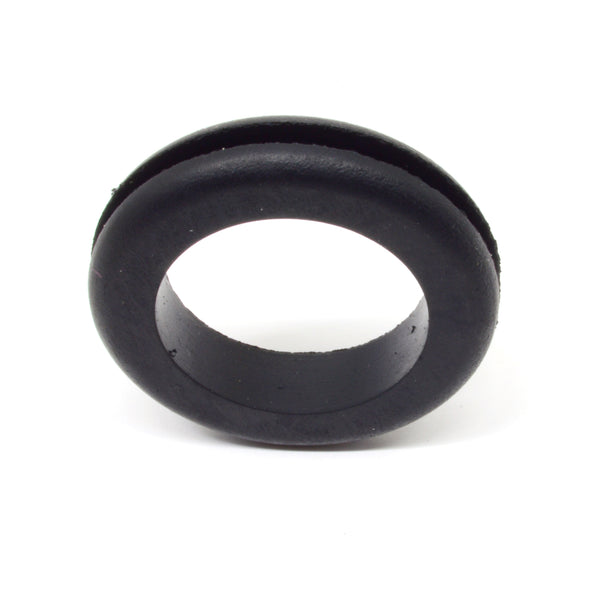
Rubber Grommets
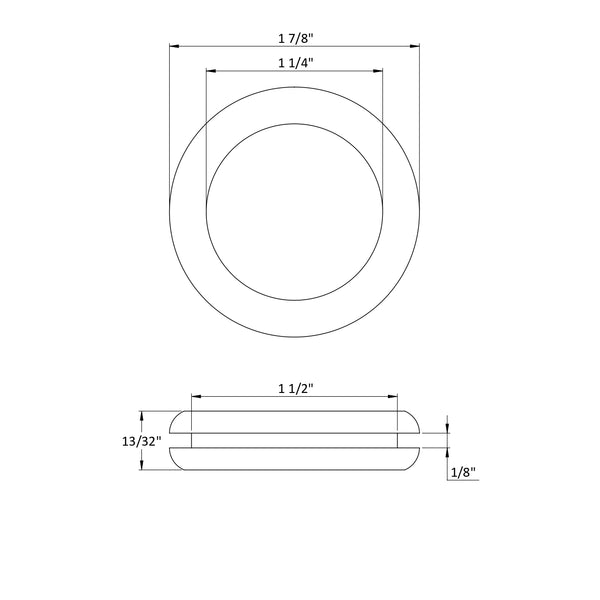
Rubber grommets sized for a 1-1/2″ hole typically include:
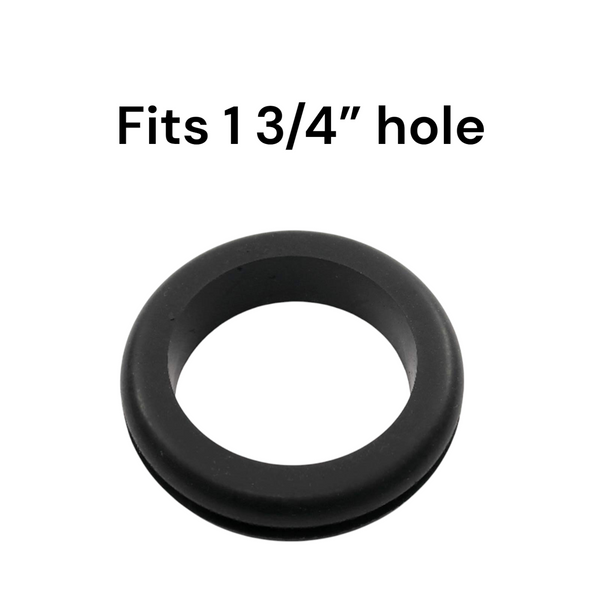
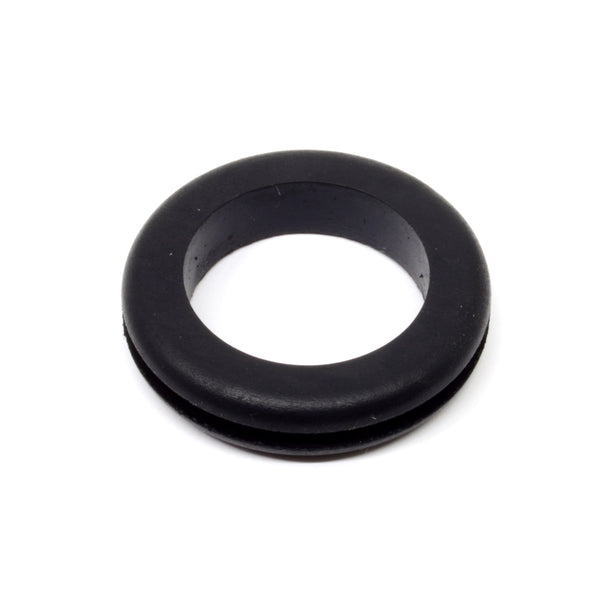
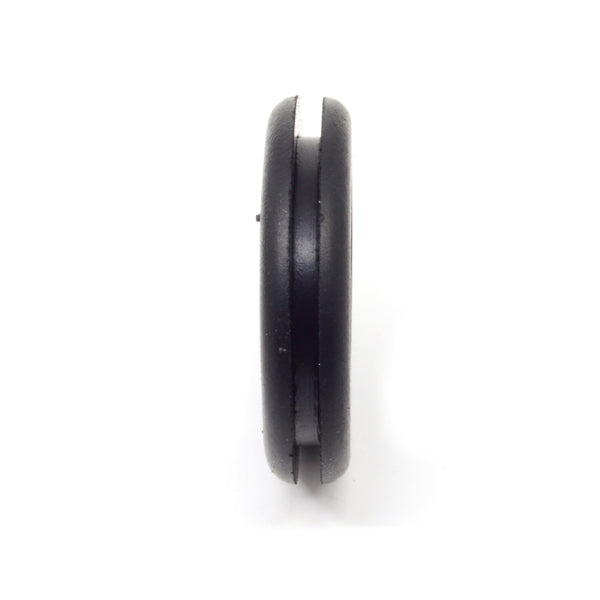
- A precisely sized outer lip that locks into the 1.50″ cut-out
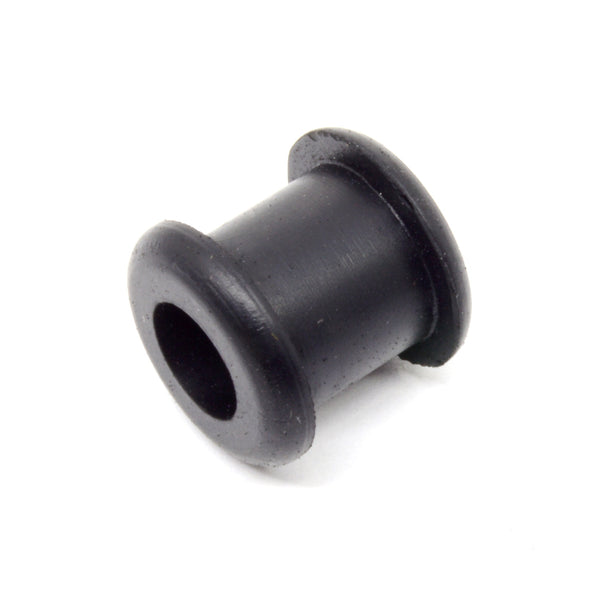
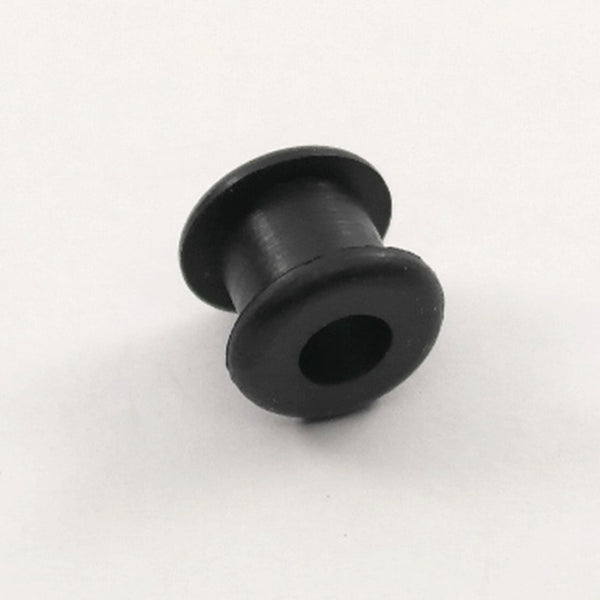
- An inner diameter sized for wires, cables, or tubing
- A groove width matched to the panel thickness
These grommets protect whatever passes through them, reduce vibration, quiet movement, and prevent wear. They are essential in electrical, automotive, and appliance manufacturing because they shield wiring and tubing from sharp metal edges.
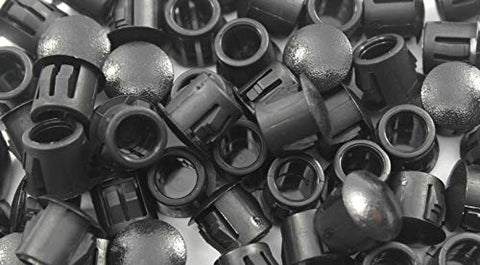
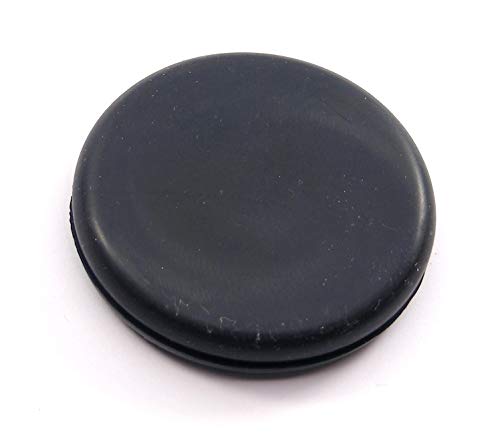
Panel Plugs (Rubber or Nylon)
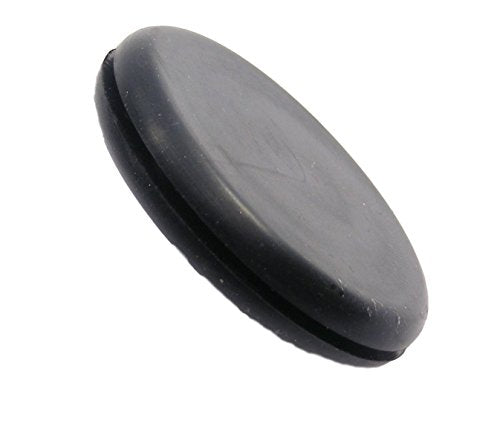
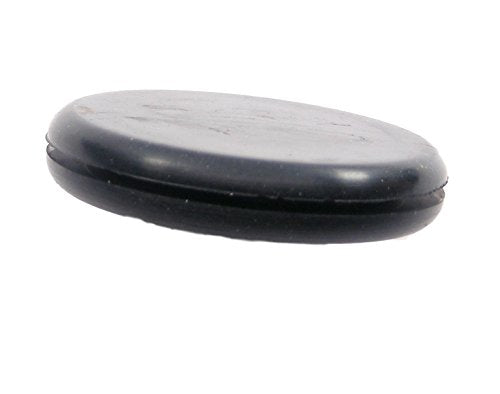
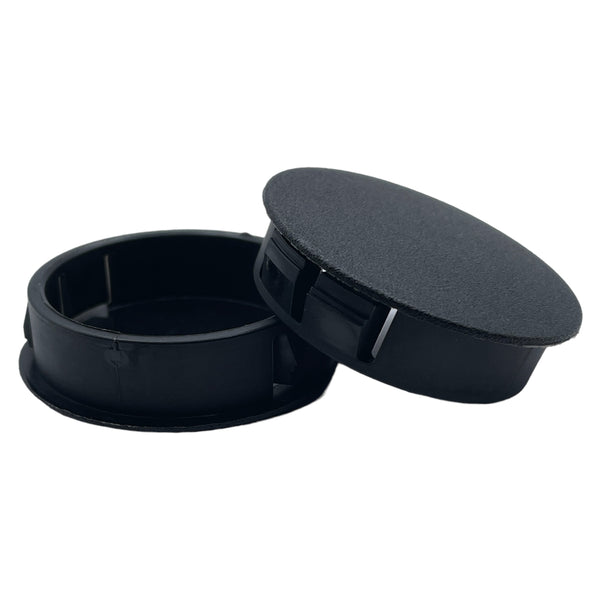
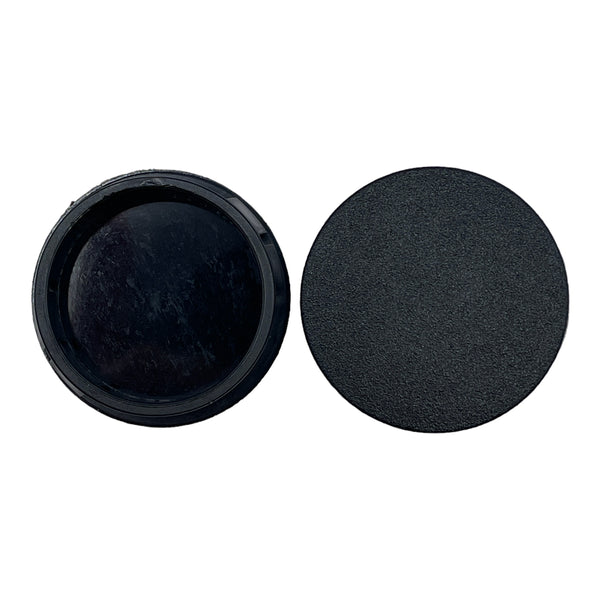
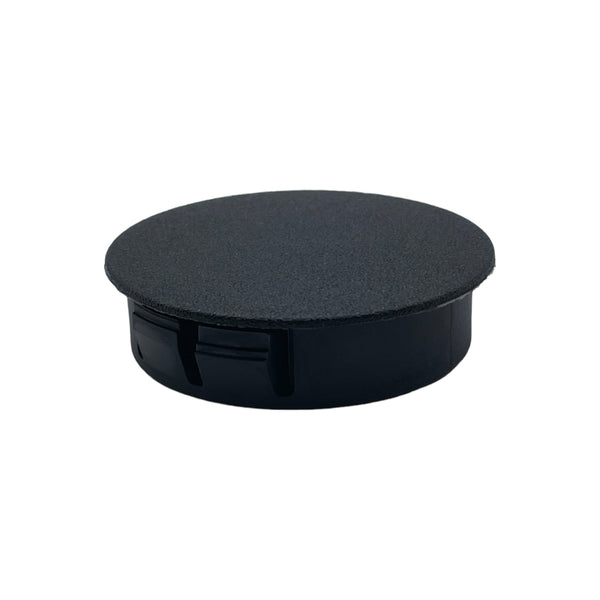
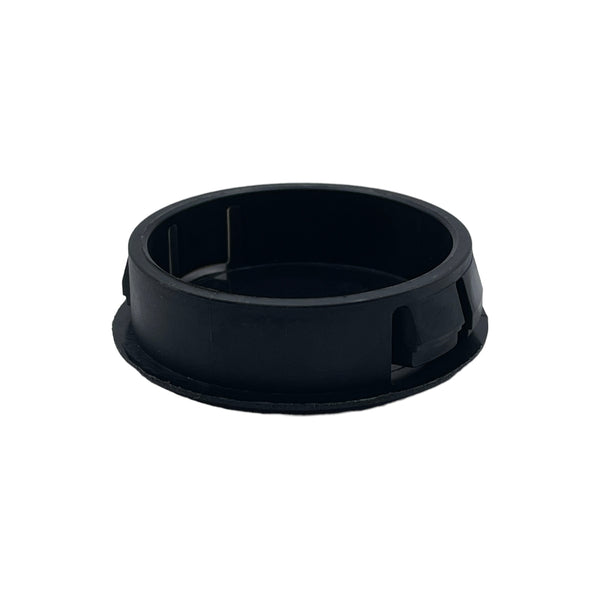
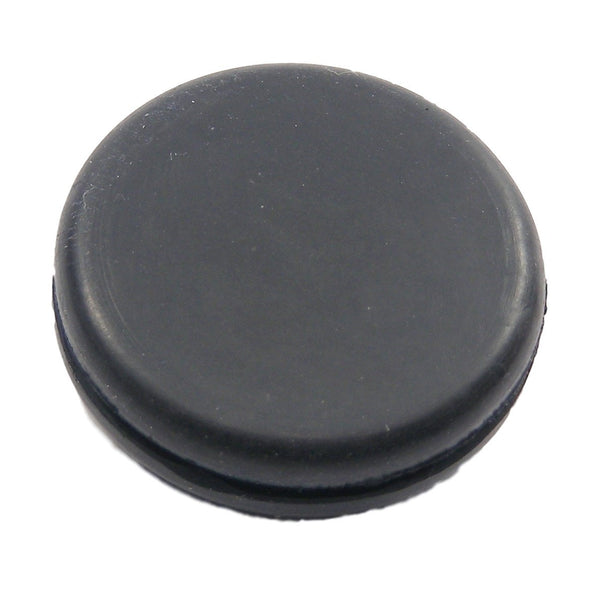
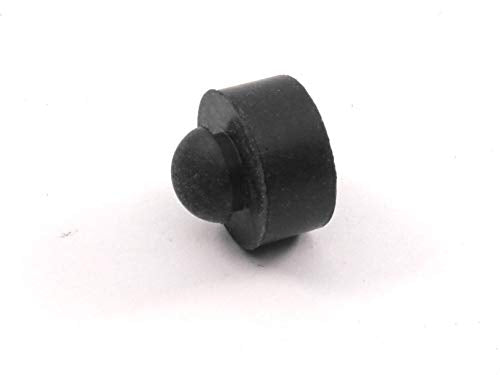
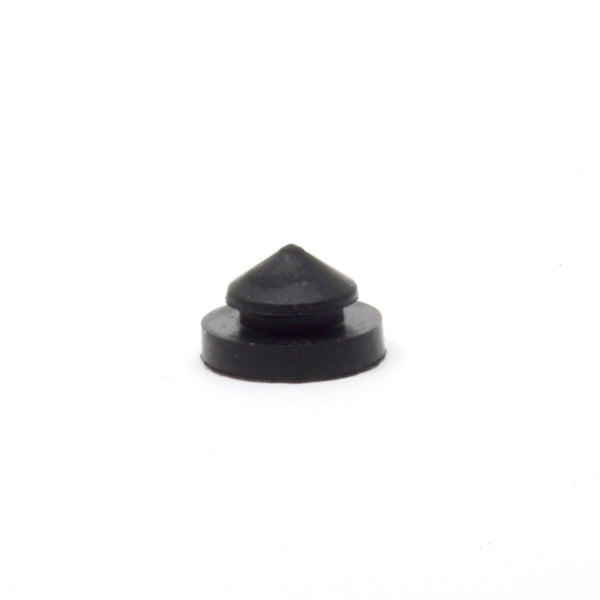
Push-in panel plugs are perfect when the 1-1/2″ hole is not being used. They:
- Seal unused holes
- Keep out dust, moisture, and debris
- Provide a neat and finished appearance
- Are easy to remove later if the hole is needed
Rubber options offer flexibility and sealing, while nylon plugs provide a firm, rigid fit.
Caps
Caps serve the same basic purpose as plugs but often have a smoother or more polished finish. These are popular in:
- Visible consumer products
- Automotive interiors
- Machinery where aesthetics matter
- Applications where the hole may need reopening later
Why Proper Sizing for a 1-1/2″ Hole Is Essential
Even a small mismatch can cause big issues. A part designed specifically for a 1.50″ hole opening ensures:
- Correct retention: The component stays in place without adhesives or modifications.
- Secure sealing: No gaps for dust, insects, moisture, or fumes.
- Smooth installation: A snug fit with no forced stretching or trimming.
- Proper function: Whether routing wires or sealing an opening, the part performs as intended.
- Aesthetic consistency: A clean, professional finish with no sagging or misalignment.
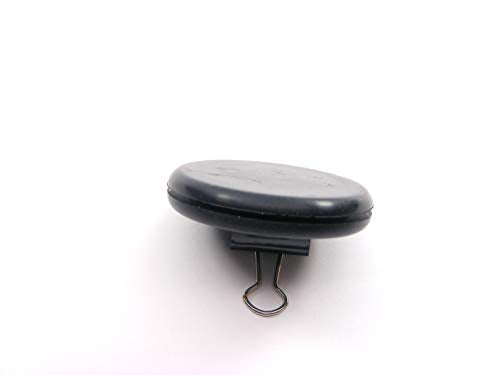
Panel thickness matters as well. Many products are made for specific ranges such as:
Selecting the correct groove width or leg depth ensures the part locks in properly.
How to Choose the Right Part for a 1-1/2″ Hole
Follow these steps to ensure a perfect installation:
1. Confirm the Hole Diameter
Verify that the opening measures 1.50″ (not 1.375″ or 1.625″).
2. Check Panel Thickness
Match your panel thickness to the product’s specifications.
3. Decide the Function
- Passing cables? → Choose a grommet with the correct inner diameter.
- Sealing an unused opening? → Choose a plug or cap.
- Absorbing vibration? → Choose a bumper or shock-absorbing grommet.
4. Select the Right Material
Rubber, vinyl, and nylon each offer different benefits such as flexibility, heat resistance, firmness, or durability.
5. Consider Color and Appearance
Some installations require black rubber, while others may need white, off-white, or nylon finishes.
6. Determine If Bulk Ordering Helps
If you’re outfitting multiple units or performing repeated installations, dangoodbuy offers bulk and wholesale options to keep costs efficient.
Real-World Applications
- Electrical technicians use 1-1/2″ grommets to manage cable bundles entering control panels.
- HVAC installers plug unused duct knockouts to ensure air pressure efficiency.
- Manufacturers of appliances or machinery seal temporary production holes with nylon caps.
- DIY builders use grommets for clean wiring pass-throughs on metal cabinets or wooden housings.
- Automotive builders use 1-1/2″ plugs to close unused firewall ports or chassis holes.
Installation Tips
- Deburr the hole before inserting the part.
- Clean the surface to ensure proper seating.
- Use a minimal amount of silicone-safe lubricant if needed for tight grommets.
- When installing plugs, push evenly around the perimeter rather than pressing one side.
- Inspect rubber components periodically if used in high-heat or outdoor environments.