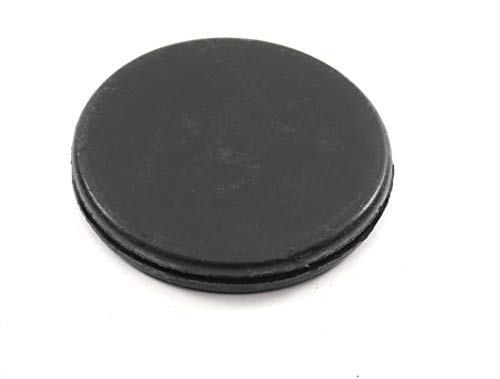
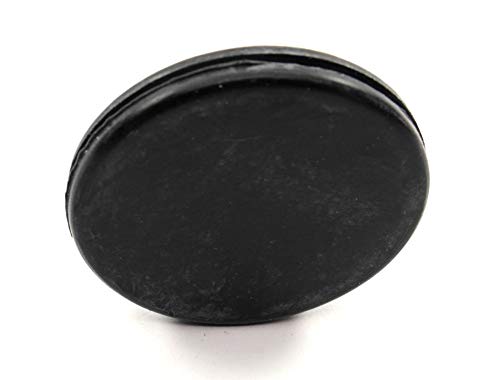
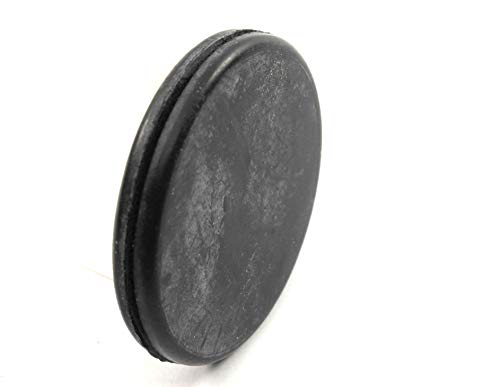
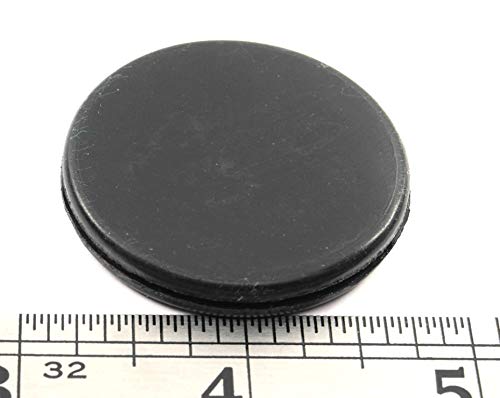
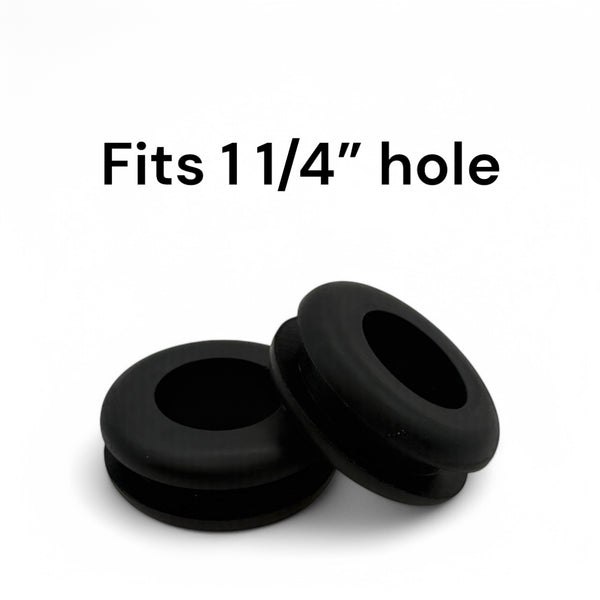
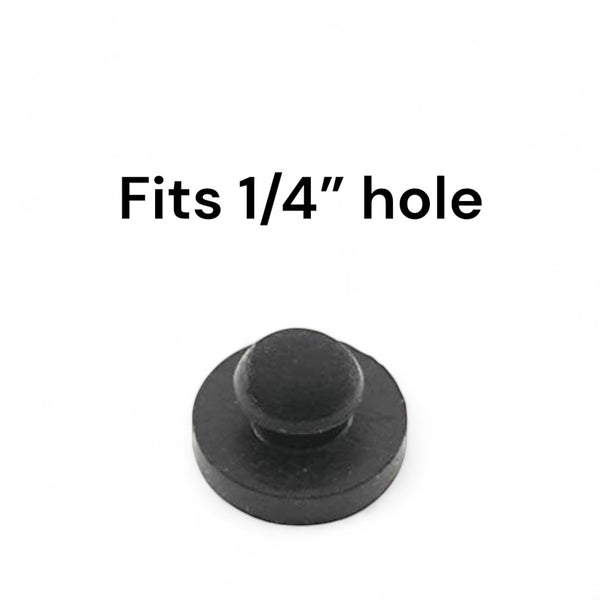
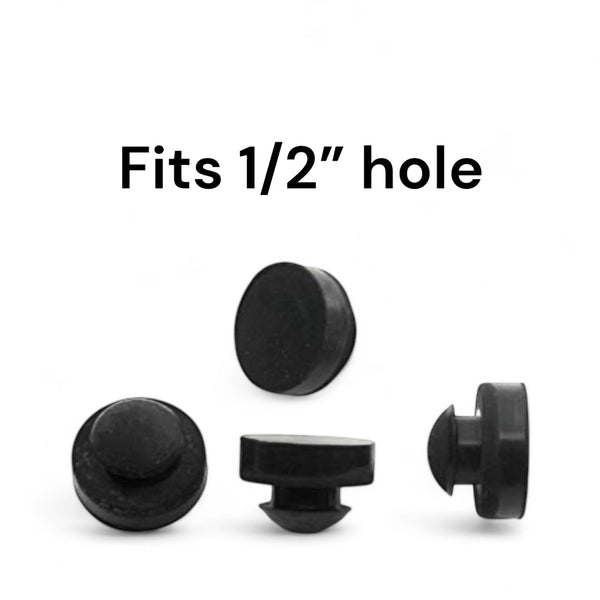
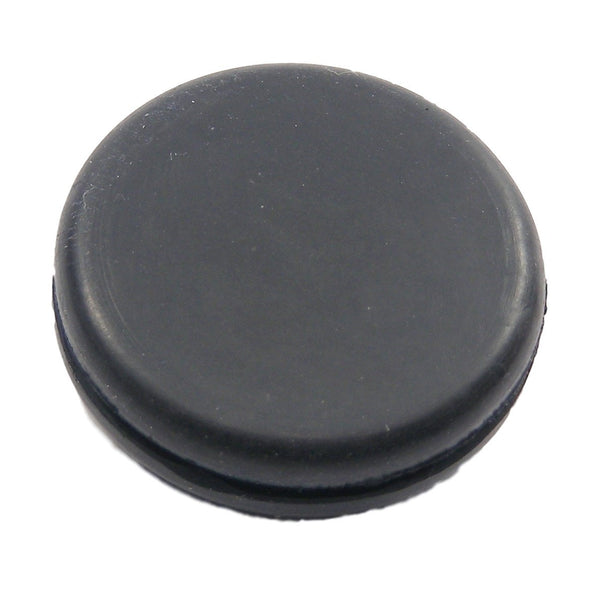
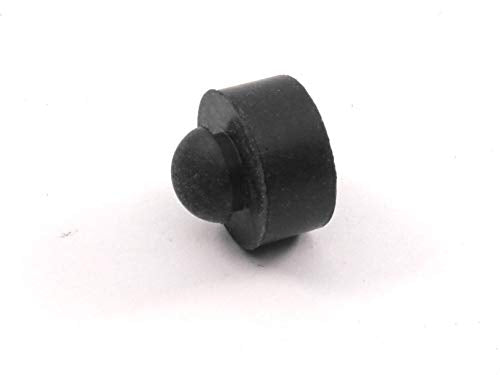
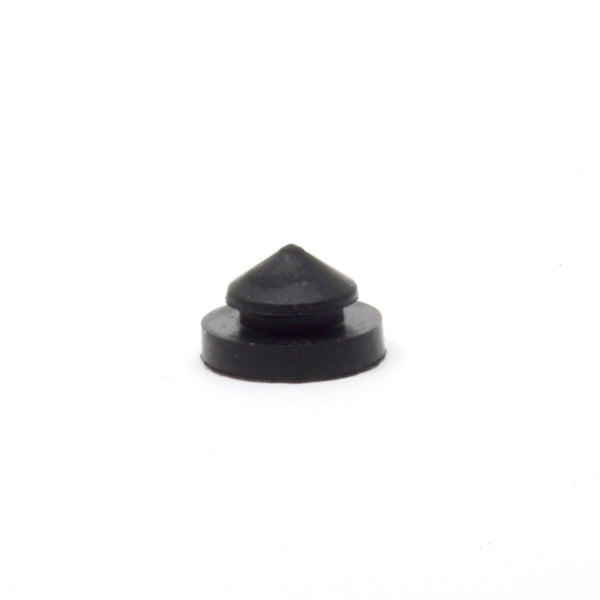
Your Guide to Push-In Panel Plugs, Grommets, and Nylon Caps that Fit a 1 1/4" Hole
When you’re working with a hole that measures approximately 1¼″ (1.25″ or 1.250″), whether in sheet-metal control panels, electrical enclosures, cabinetry, wiring troughs, or industrial machinery, selecting the correct rubber grommet, plug, cap, or bumper is key to achieving a secure, professional, and durable installation. At dangoodbuy, our collection of components engineered specifically for the 1¼″ opening ensures you can avoid mis-sized parts, poor fits, or post-installation problems.
Why you might have a 1¼″ hole opening
A 1.25″ diameter opening is common across many applications for several good reasons:
- Cable and conduit pass-throughs: When wiring bundles or tubing are larger than what a 1″ hole would accommodate, a 1¼″ opening allows extra clearance. The right grommet provides protection for the wires, cables or hoses as they pass through the panel.
- Connector or gland mounting: Many inline connectors, threaded glands, or bulkhead fittings require a 1¼″ cut-out. These require a finished fit and often need sealing or vibration isolation.
- Access or future-service ports: Equipment panels may be drilled with 1¼″ knock-outs for future use or servicing. When not in use, these holes require a plug or cap to keep contaminants out.
- Ventilation, tubing or fluid ports: Smaller fluid or vent lines might pass through a 1¼″ hole, or that opening may be used for a removable cap when not needed.
- Aesthetic & finishing demands: In many consumer-grade or visible-panel installations (furniture, cabinetry, electronics enclosures), a 1¼″ opening might be visible and thus requires a neat finish for appearance and safety.
Because a 1¼″ opening sits between “small” and “large” in many design schemes, having a collection specifically catered to this size means you won’t be forced to adapt a part meant for a smaller opening (which may stress) or one sized for a larger hole (which may be loose).
What the products are used for?
Here’s a breakdown of the key component types found in the 1¼″ hole collection—and what they do:
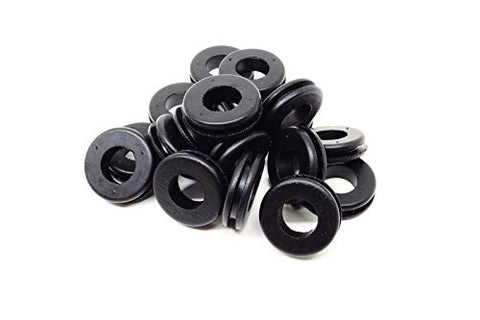
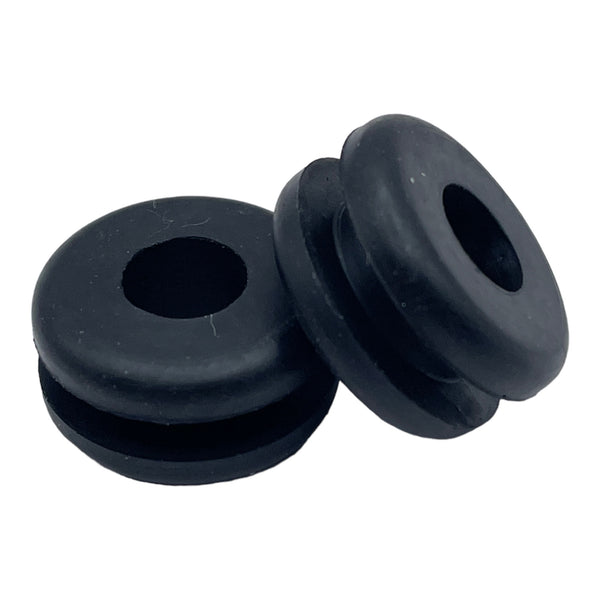
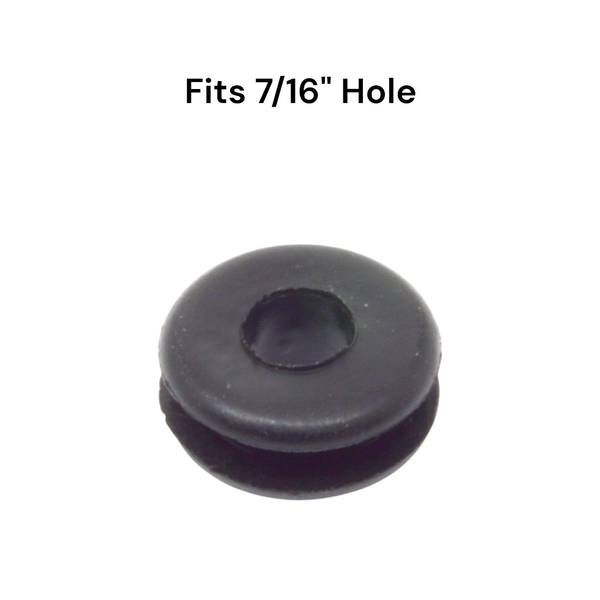
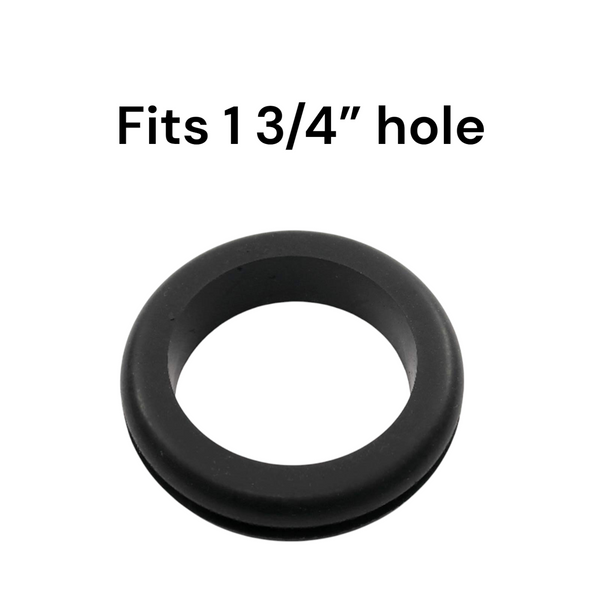
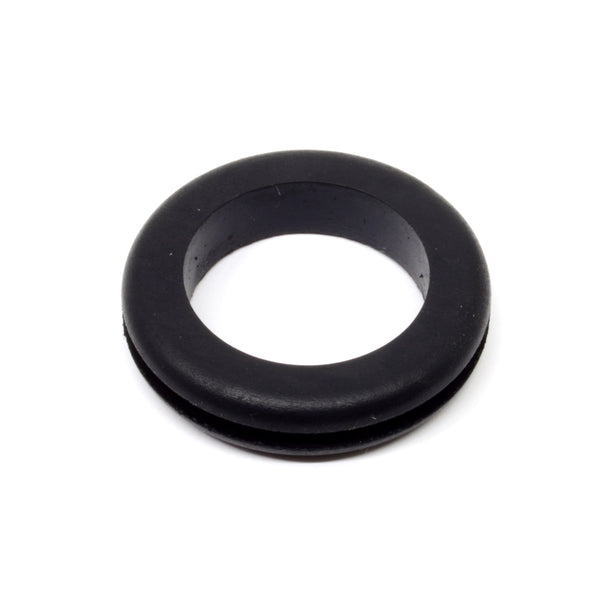
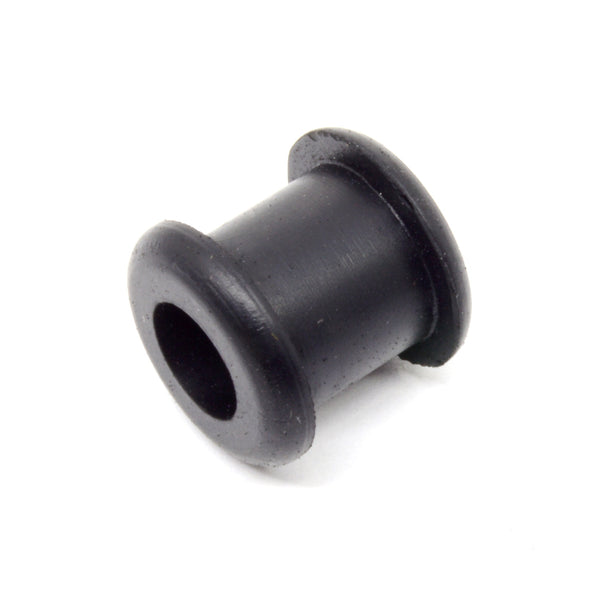
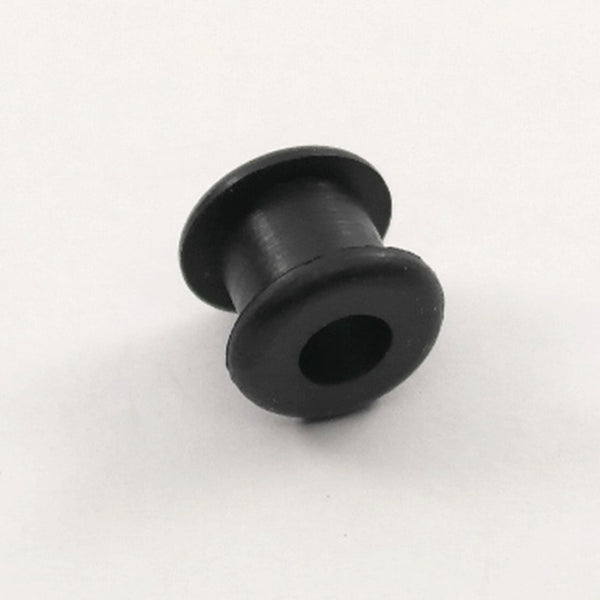
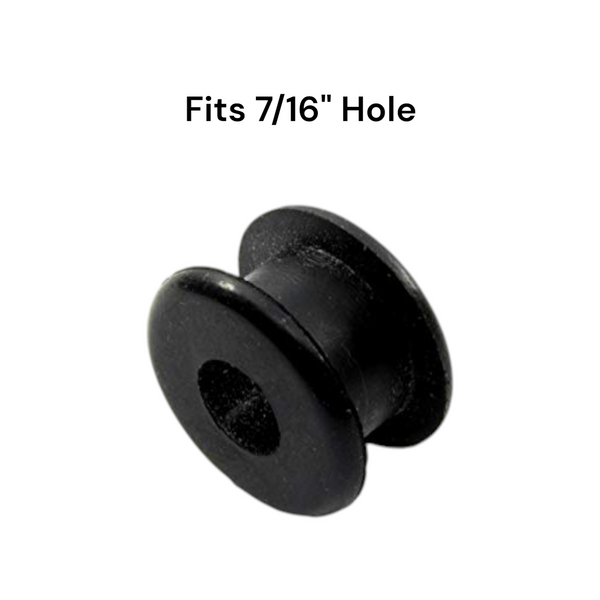
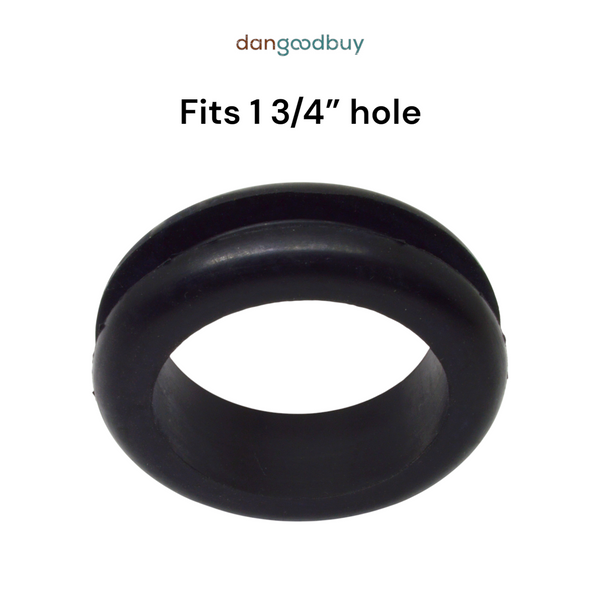
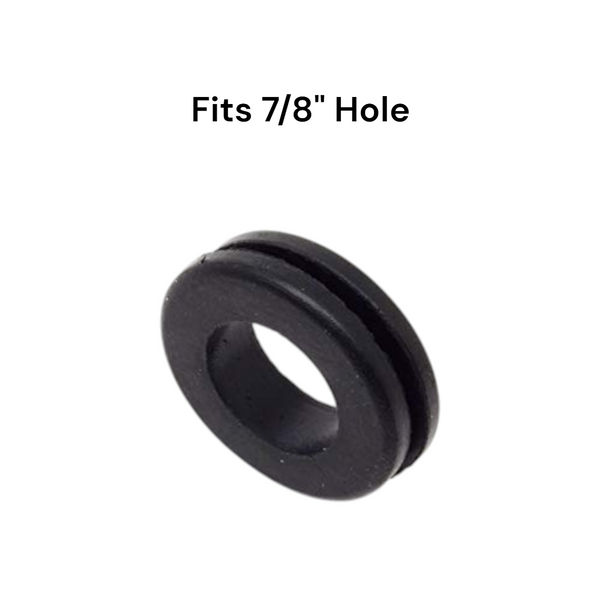
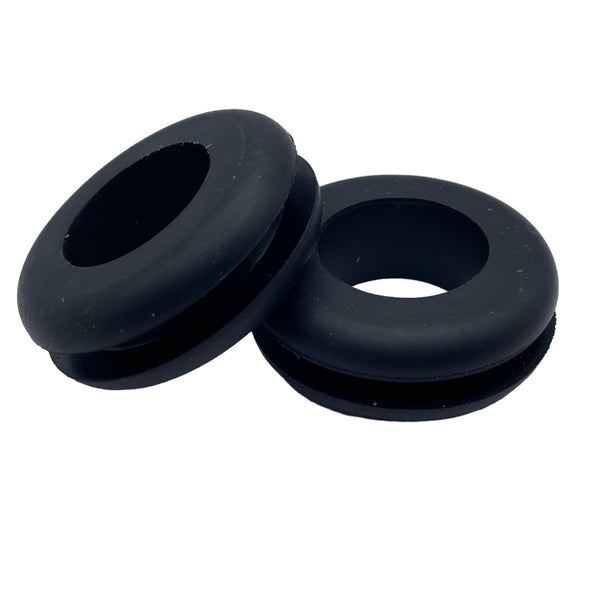
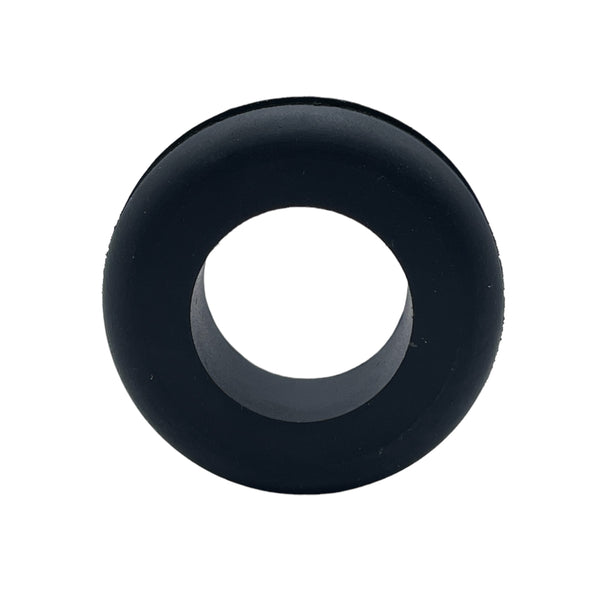
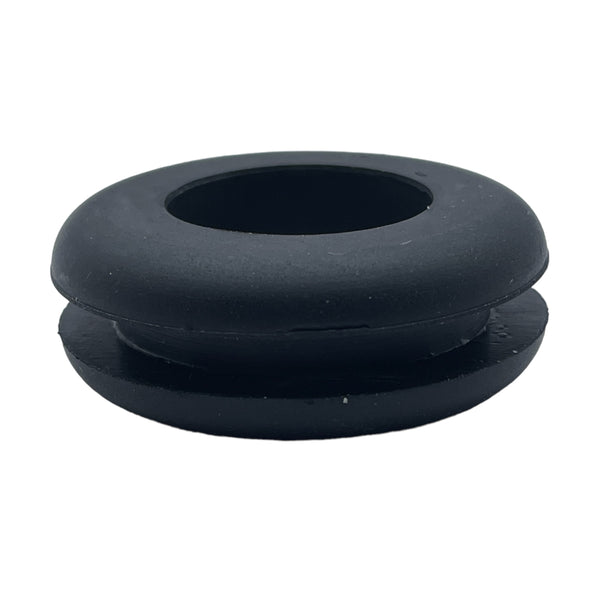
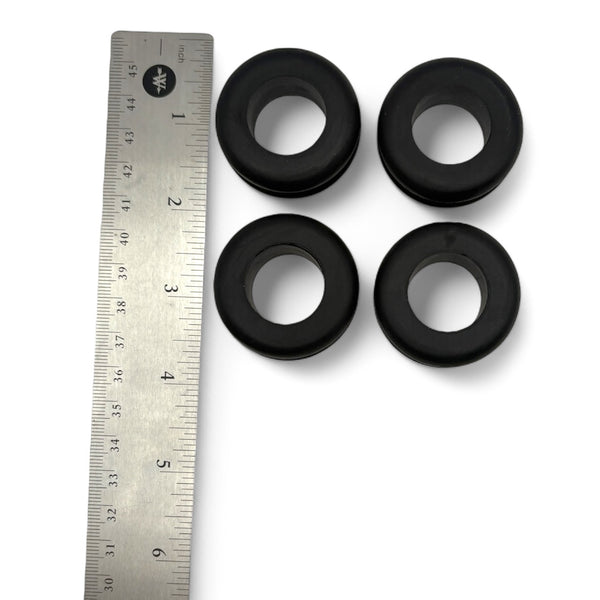
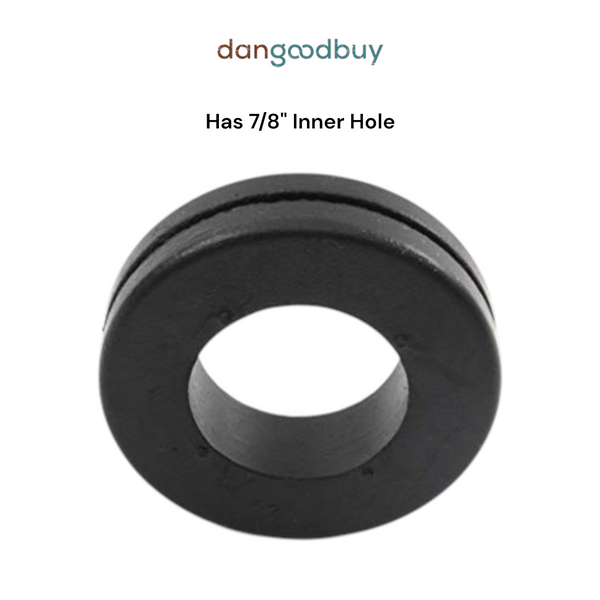
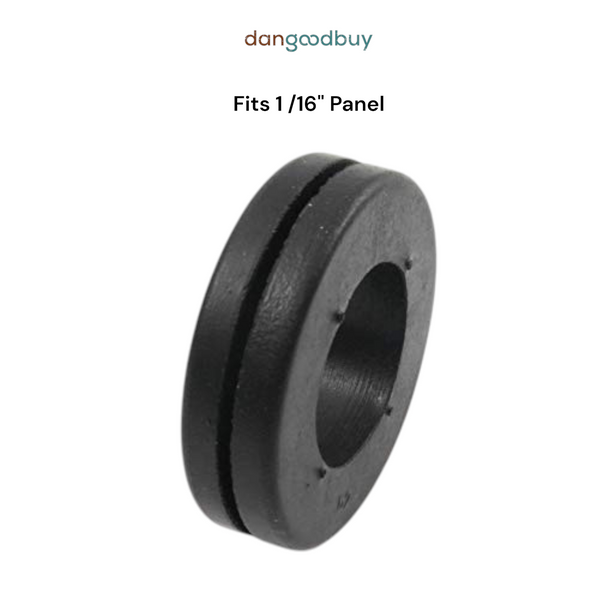
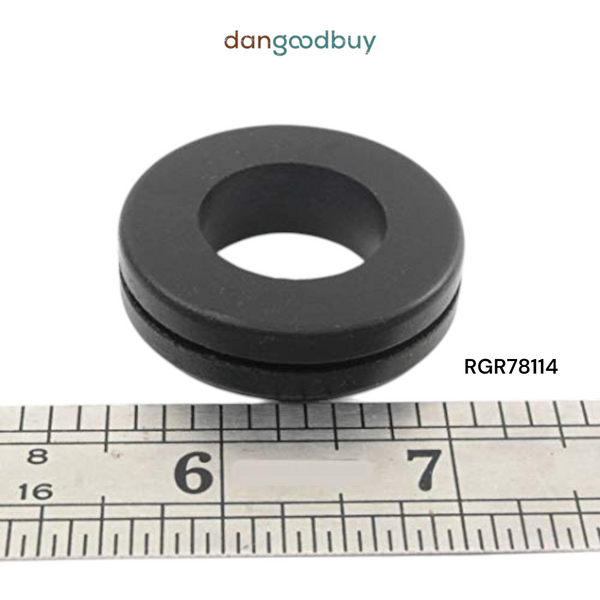
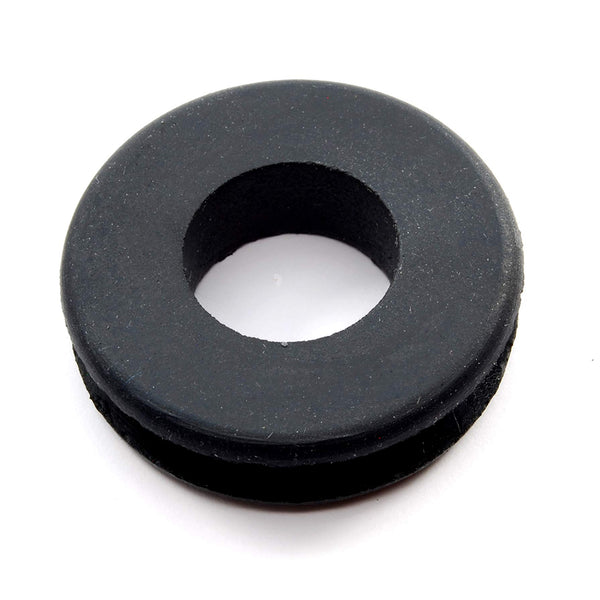
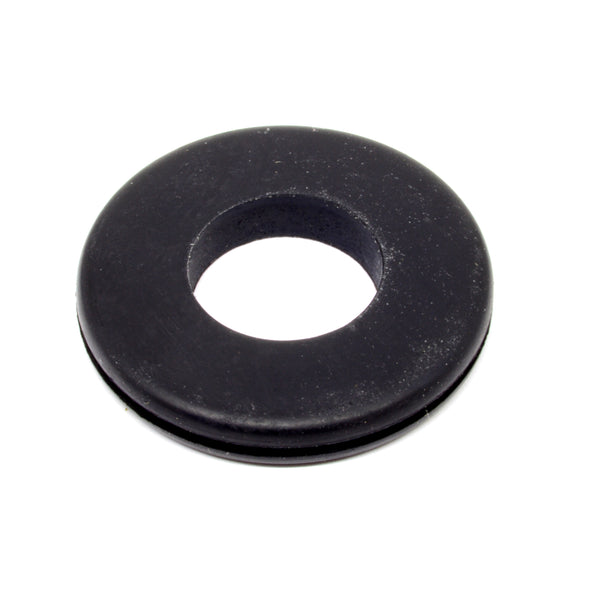
Rubber Grommets
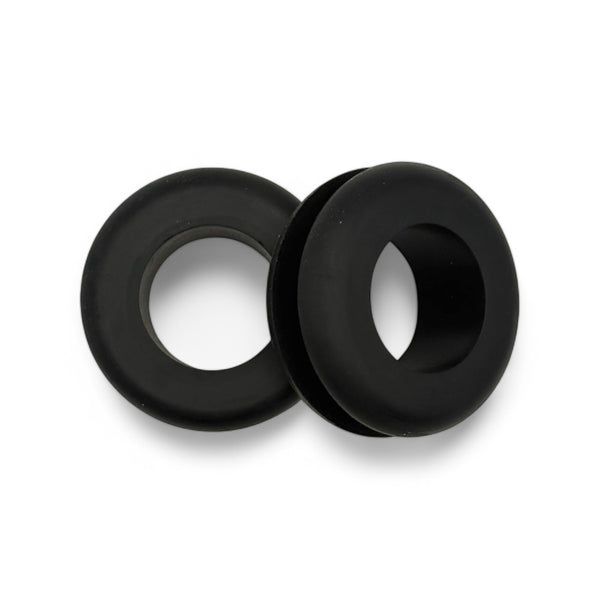
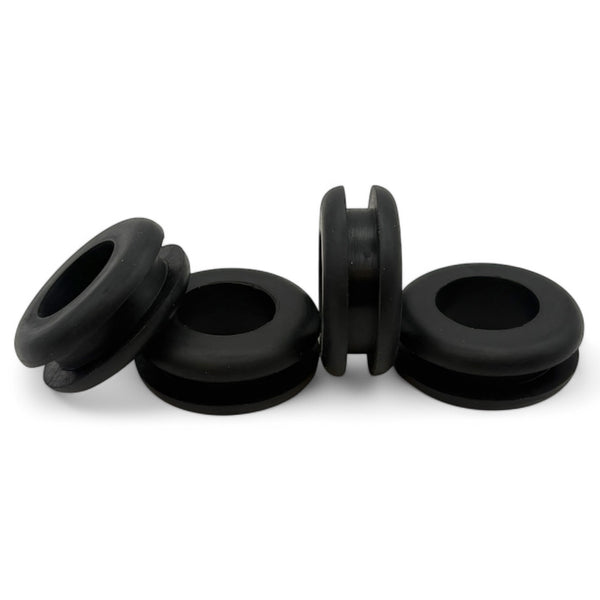
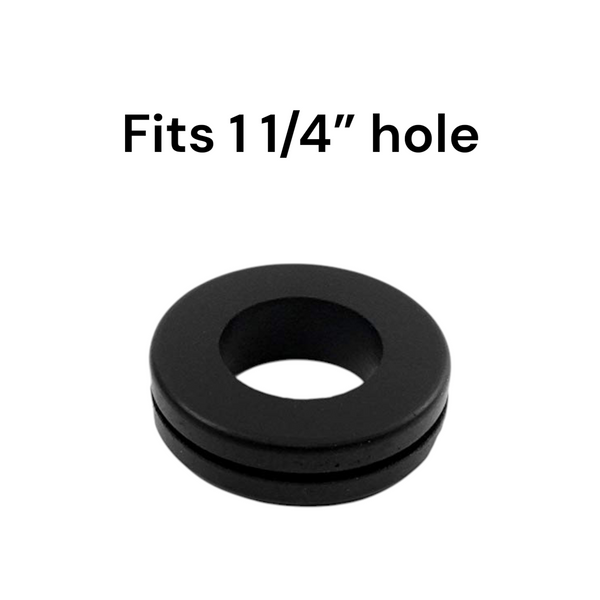
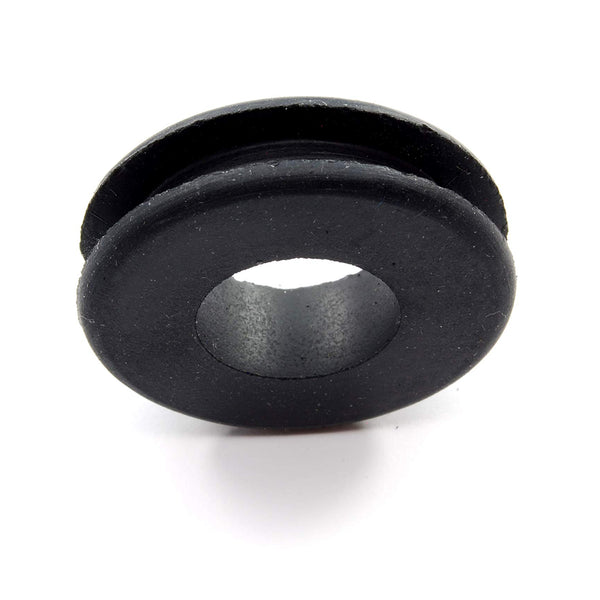
These serve the purpose of lining or finishing around a hole through which wires, tubing or other components pass. For a 1¼″ hole:
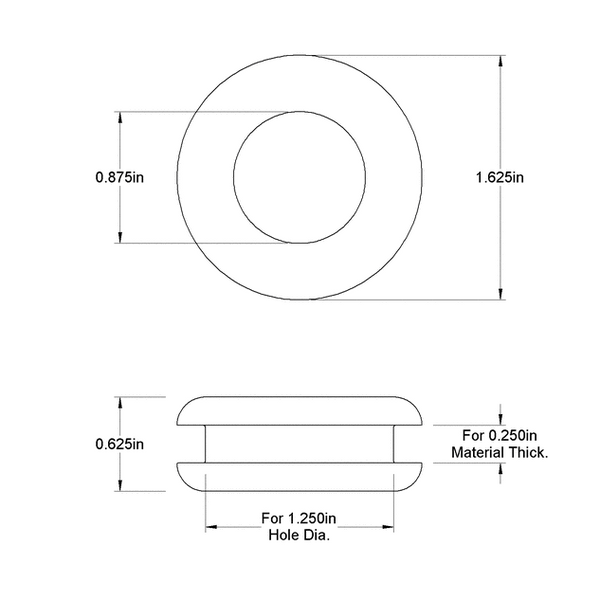
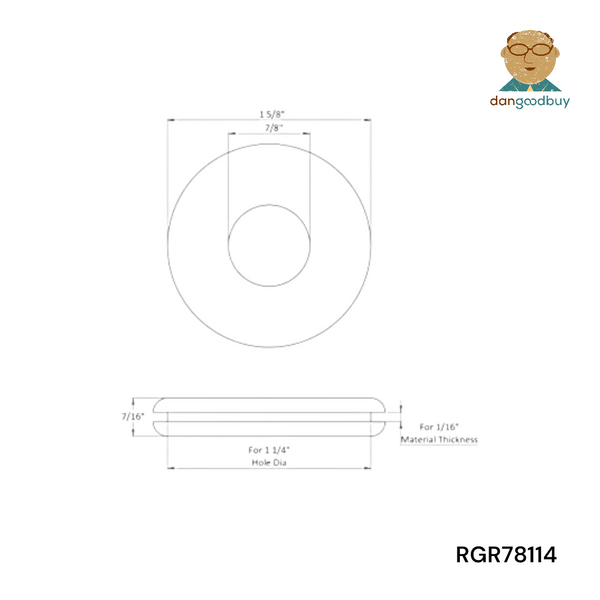
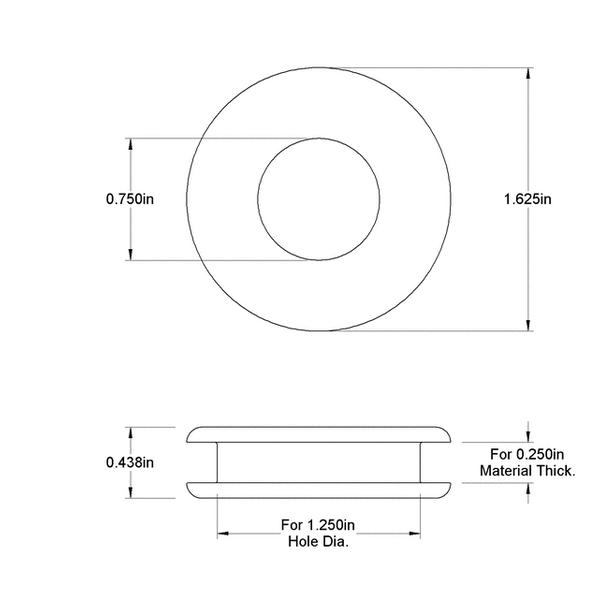
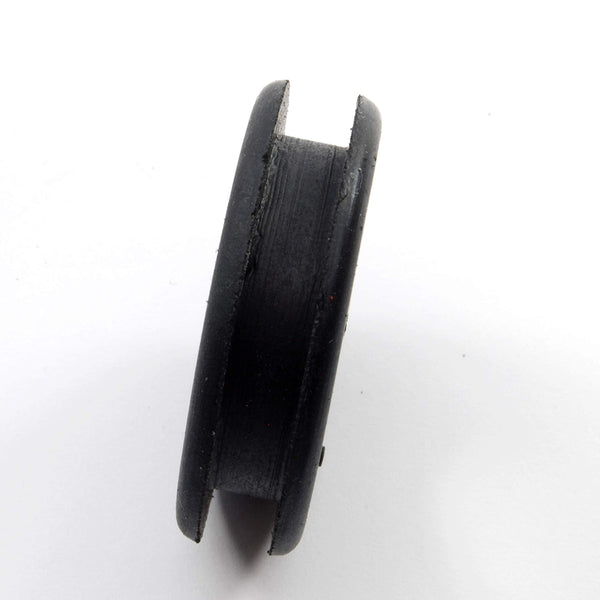
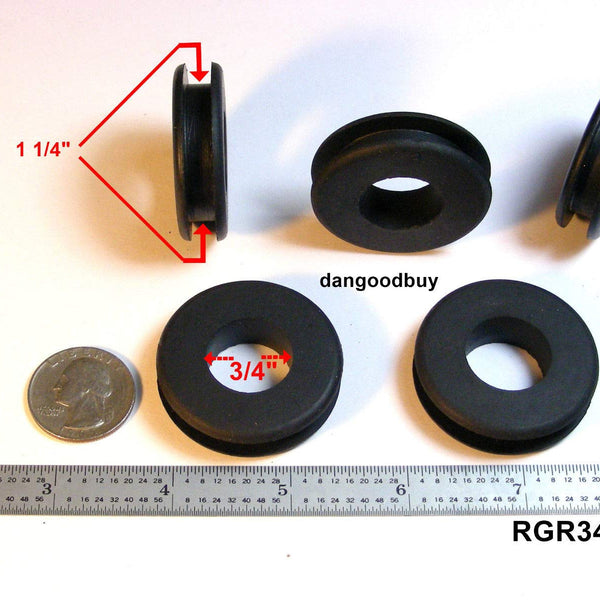
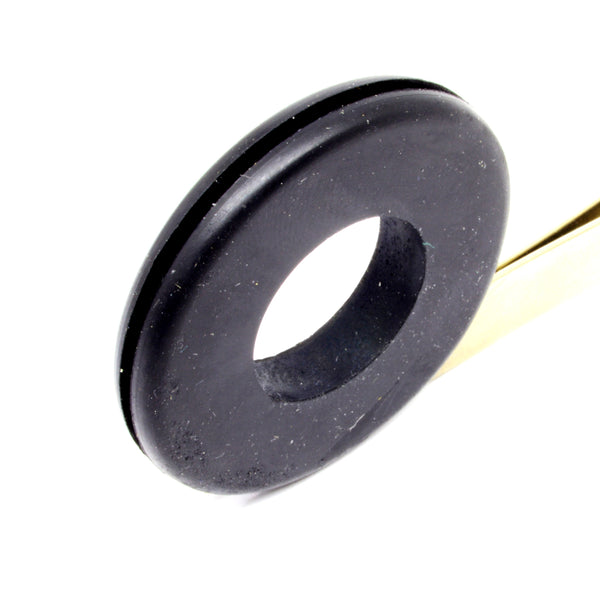
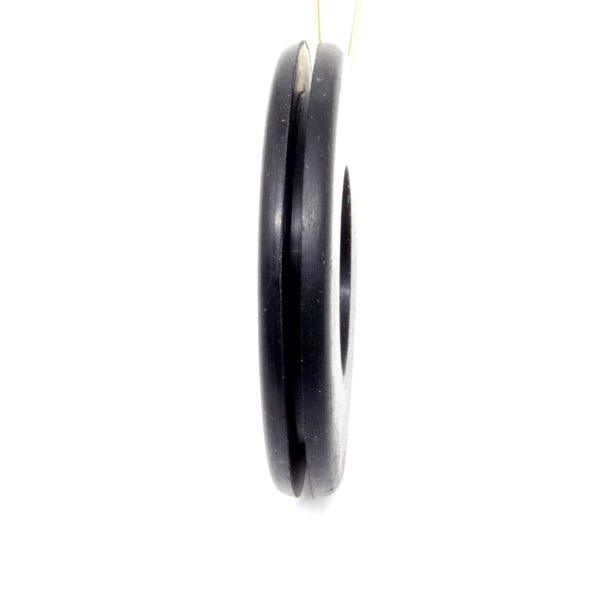
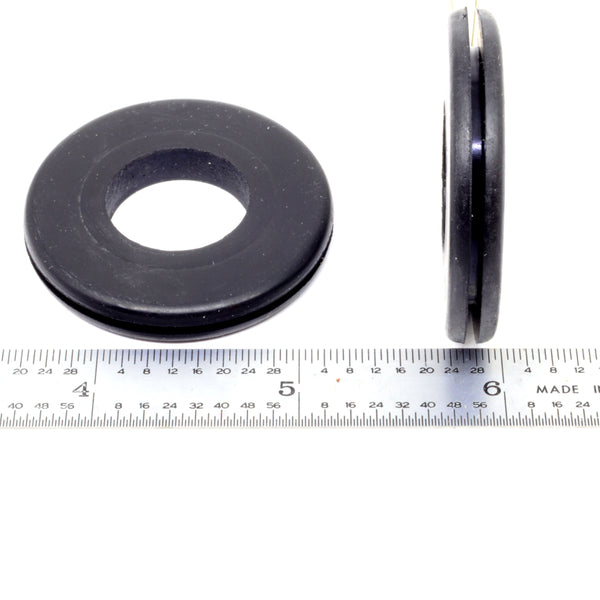
- The outer diameter of the grommet is designed to snap into or seat securely in the hole, matching panel thickness (groove width) and lip design.
- The inner diameter is sized to fit whatever is passing through (wire bundle, conduit, tube) so the fit is snug and protective.
- The grommet shields the material being passed through from abrasion or sharp metal edges, reduces vibration transmission, and often provides strain-relief.
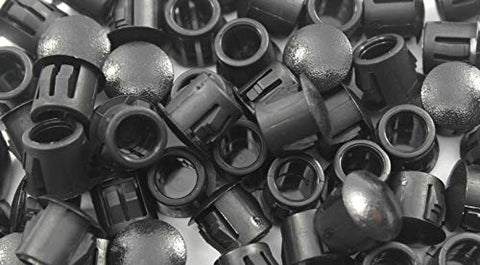
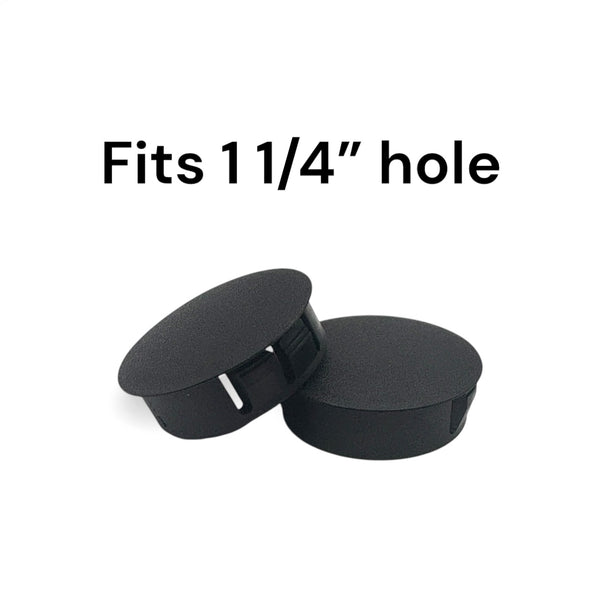
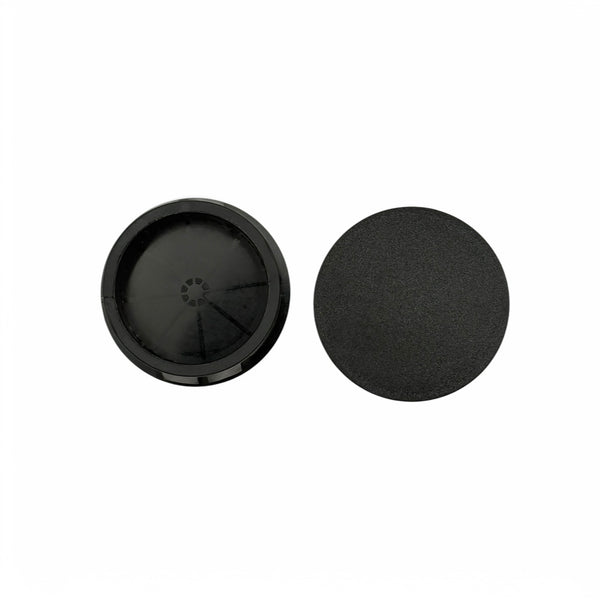
Plugs & Push-In Panel Plugs
When a hole is present but not actively used, a plug is the ideal solution:
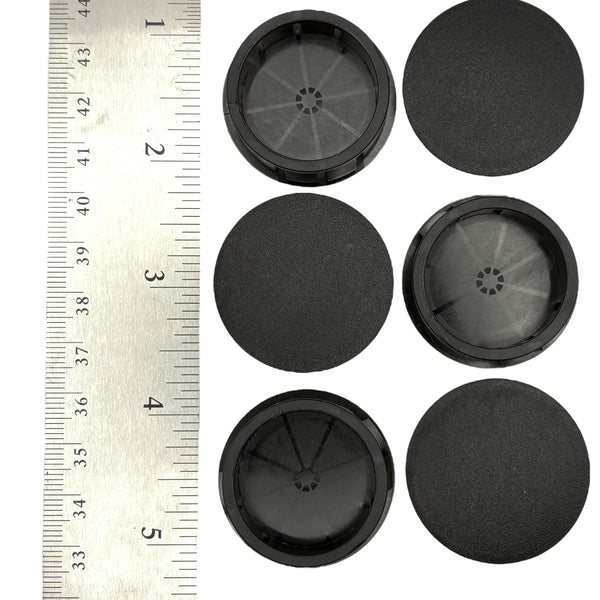
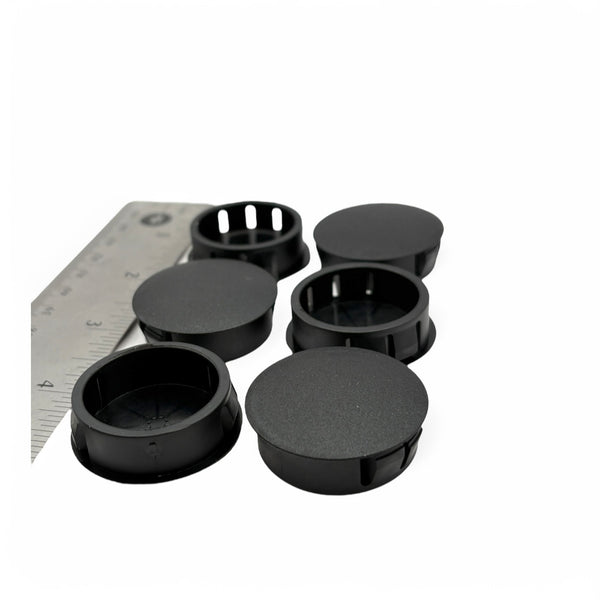
- Prevents ingress of dust, water, insects or debris when the opening is not serving a functional pass-through.
- Offers a clean, flush or low-profile finish on panels and equipment.
- Can be easily removed later if the hole needs to be re-used.
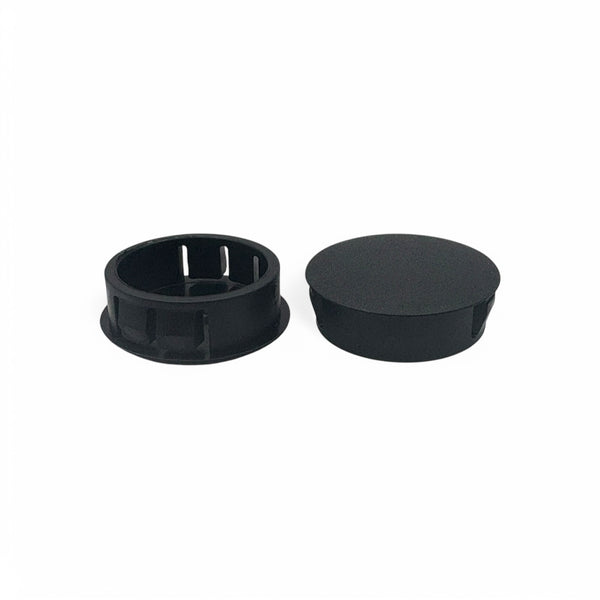
Caps
Caps cover protruding tubes or mounting posts in a 1¼″ opening, and are often chosen when the opening is visible or part of a finished enclosure:
- Provide a clean surface finish, often in nylon or molded rubber.
- Protect the edges of the opening and provide some aesthetic value.
Bumpers
Though less common specifically for the 1¼″ hole category, some bumpers are used around that size:
- A bumper could fit into a 1¼″ opening and act as a stop, cushion or vibration suppressor between moving parts.
- Helps protect against repeated contact, isolate vibration or dampen noise in assemblies where parts move or shift.
Why correct sizing matters
Picking a part built for a 1¼″ hole rather than “close enough” offers major benefits:
- Retention & security: A part too small may fall out or shift; too large may stretch, deform or fail to seat properly.
- Sealing & protection: Proper sizing ensures the part fully engages the hole, providing dust/moisture resistance and eliminating seams.
- Functionality: For grommets, the inner diameter matters; an oversized inner hole means slack and risk of abrasion. For plugs/caps, the outer diameter must match the hole or it will look unfinished or shift.
- Appearance: Especially in visible panels, the fit affects aesthetics—correct sizing yields a flush, professional look.
- Long-term performance: A correctly seated rubber part will perform as expected under temperature shifts, vibration and operational use.
How to choose the right part for your 1¼″ hole
Here’s a checklist:
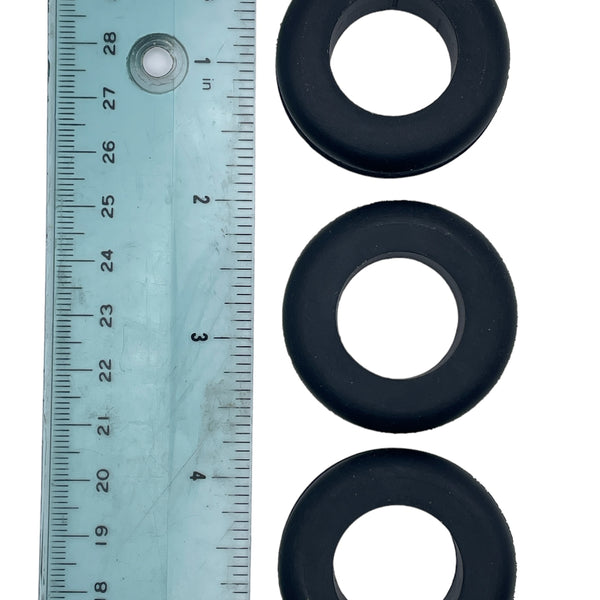
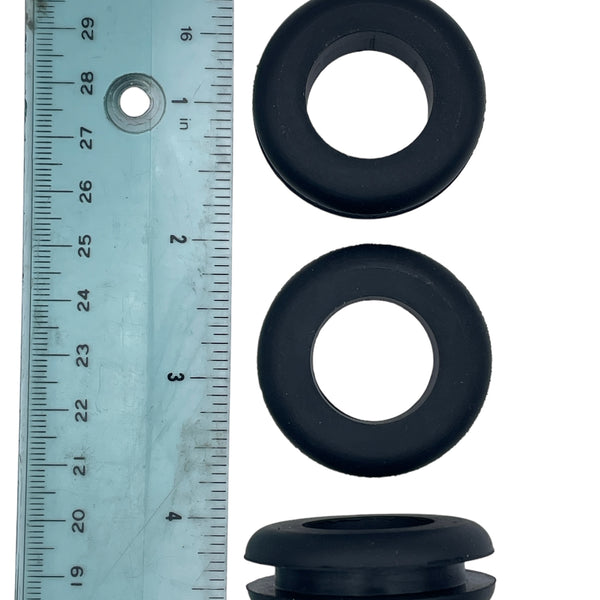
- Confirm your hole diameter – ensure it is approximately 1.25″ (1¼″) and not smaller or larger.
- Measure panel thickness – the part’s “groove width” or recommended panel thickness must match your sheet/plate.
- Decide on the application type – If passing wiring/tubing → choose a grommet with proper inner diameter.
If sealing an unused opening → choose a plug or cap.
If cushioning contact or movement → consider a bumper. - Match material & finish – if exposed environment, consider UV/temperature resistance (e.g., EPDM). If interior or less demanding, standard rubber may suffice.
- Check outer/inner diameters – outer should fit snug into 1¼″ hole; inner for grommets should match the wiring or tubing.
- Think about quantity – if you have many panels or installations, take advantage of dangoodbuy’s bulk pricing and free shipping.
Real-world use case examples
- A control cabinet features a 1¼″ knockout for a data-bundle feeding multiple sensors. Installing a 1¼″ rubber grommet ensures the wires are protected, reduces vibration and delivers a finished appearance.
- An HVAC unit has a 1¼″ access hole for future conduit. When the conduit is not installed yet, a 1¼″ panel plug from this collection seals it and prevents dust/air leakage.
- A furniture build features built-in LED strip wiring routed through a 1¼″ hole in the cabinet wall. A grommet finishes the pass-through, protects the cable jacket and delivers a clean look.
- A machine access hatch has a 1¼″ hole for service. After assembly, a nylon cap covers it to maintain aesthetics while leaving the port available for later modification.
- A vehicle bulkhead has a 1¼″ hole for a harness. A rubber bumper inserted into the opening serves as a cushion for the harness and protects the bulkhead edge from wear.
Installation & best-practice tips
- Deburr the hole and ensure edges are smooth to prevent damage to the grommet or wires.
- Clean the area around the opening for proper seating and adhesion (if any).
- Press the grommet, plug or cap firmly into place, ensuring the lip on each side is evenly seated and flush.
- For grommets, ensure the inner diameter is tight around the wire or tubing—no excess gap.
- Inspect periodically, especially in harsh environments: rubber may harden, crack or lose elasticity over time.
- For outdoor or high-temperature use, choose materials rated accordingly (for example the product description for 1¼″ hole lists Buna-N rubber, 0°F to 250°F)