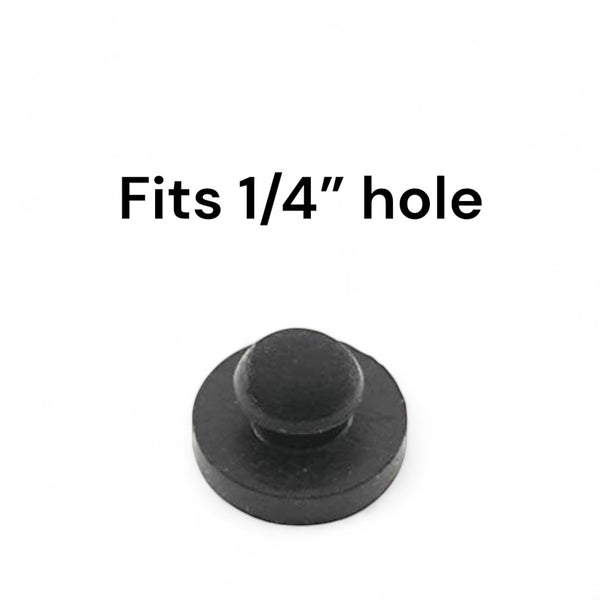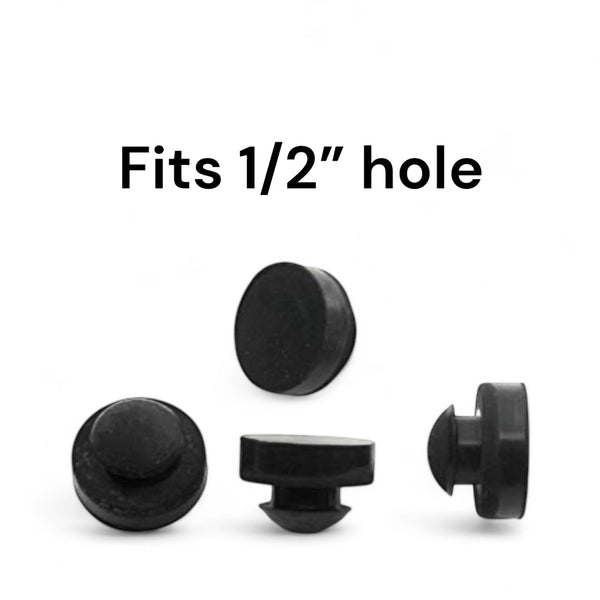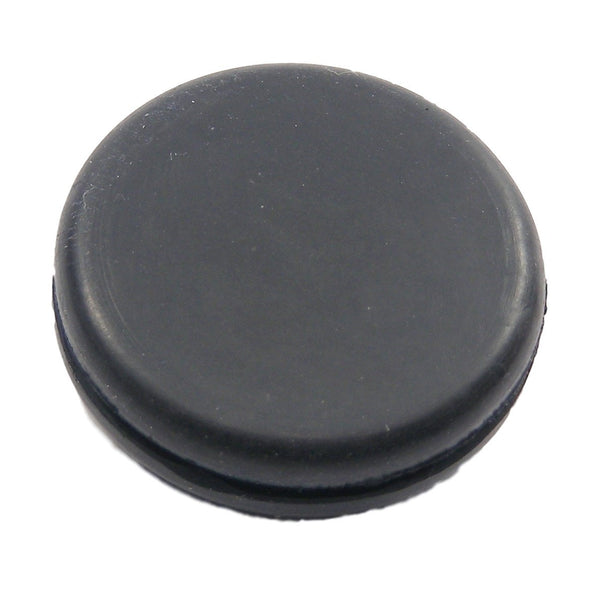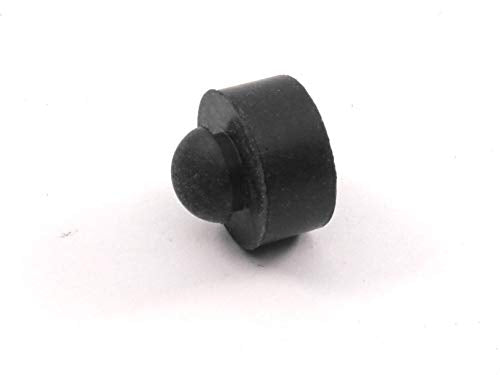

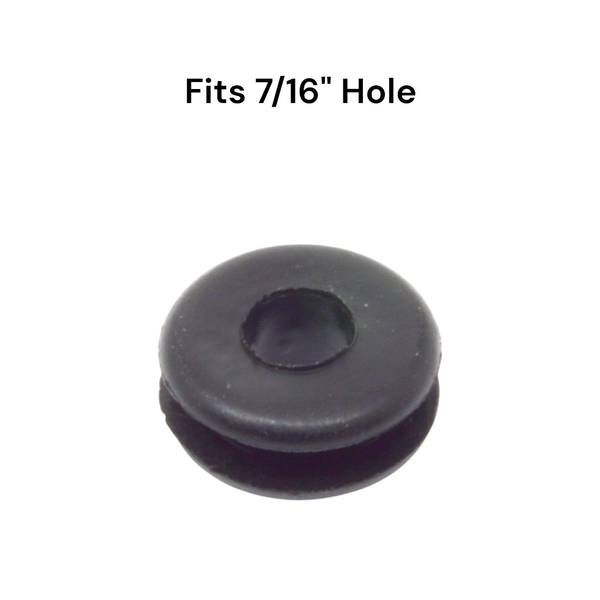
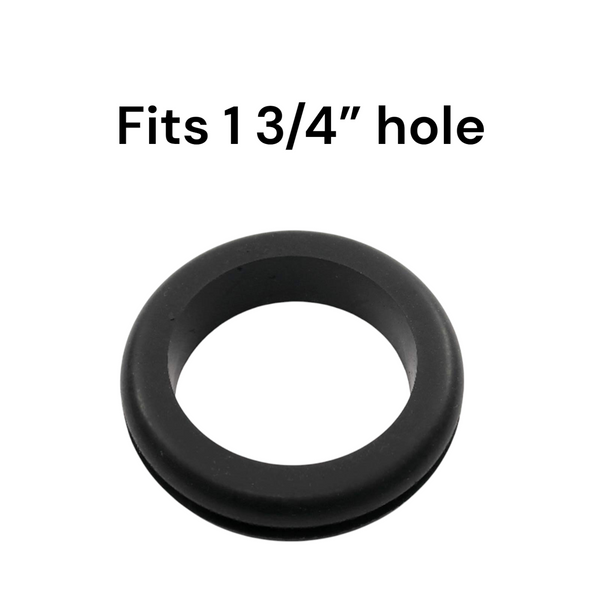
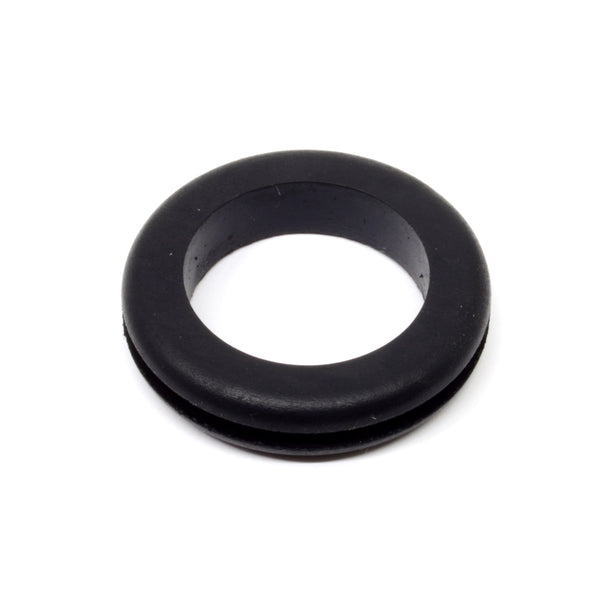
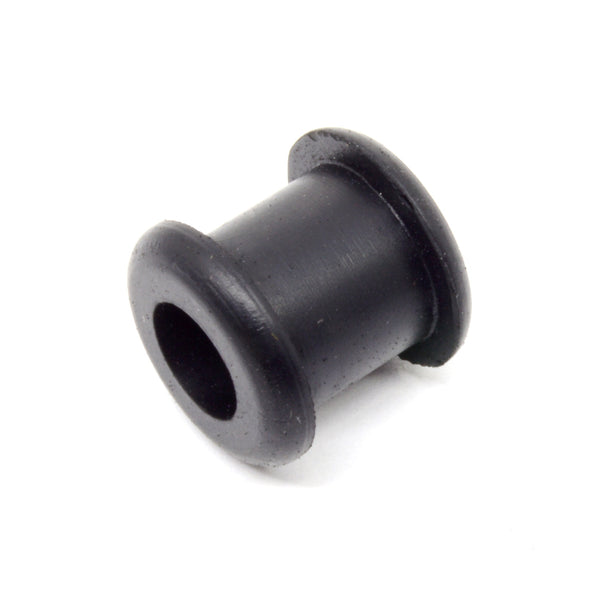
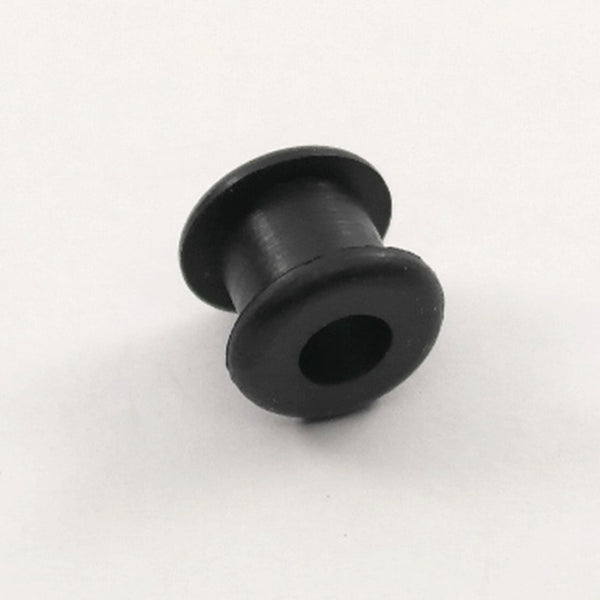
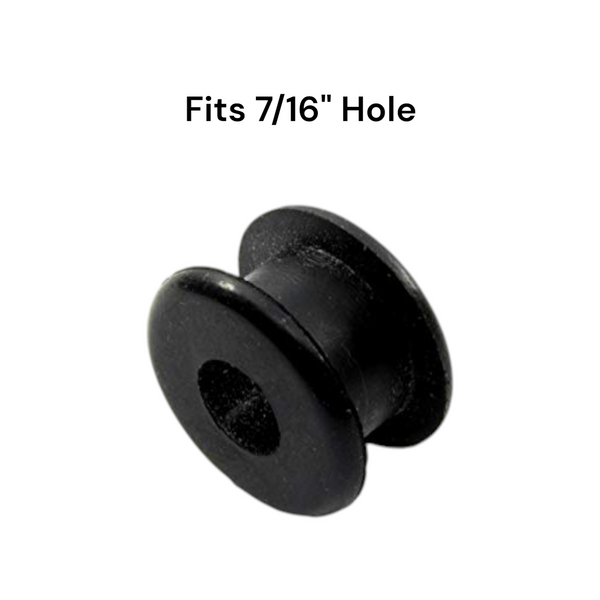
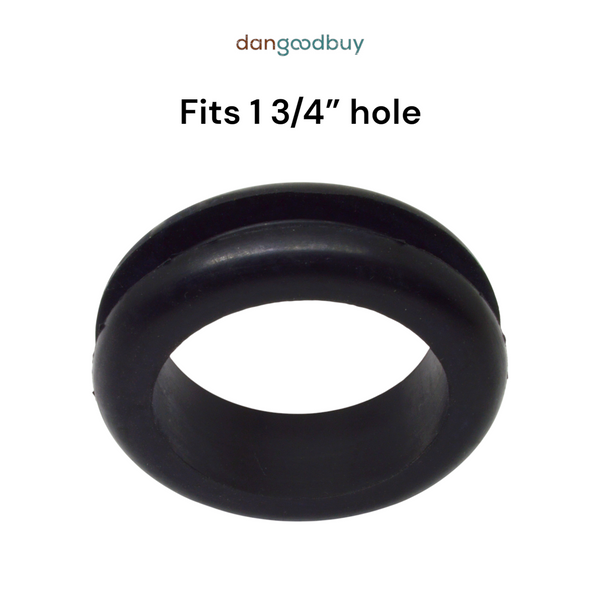
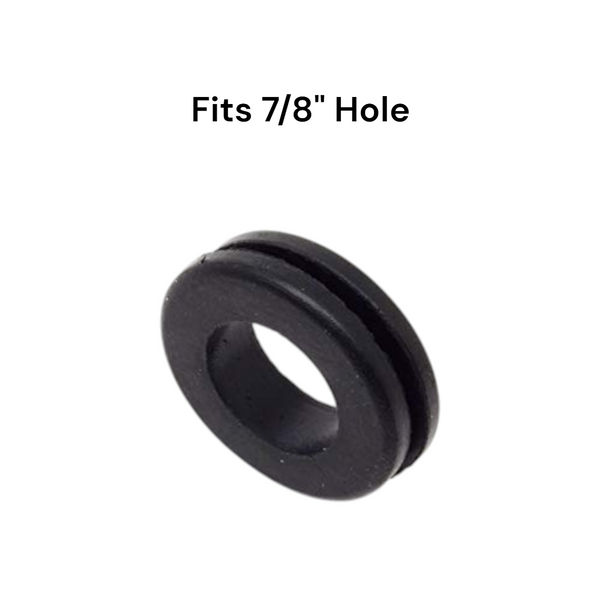

A cabinet door that closes with a sharp tap usually does not need a major fix. Most of the time, it needs a small part that is easy to overlook - a push in bumper for cabinet door use. When the size and style are right, that little bumper cuts noise, cushions impact, and helps protect both the door and the cabinet frame from repeated wear.
That sounds simple, but this is exactly where people get stuck. Cabinet bumpers are often sold with vague descriptions, inconsistent measurements, or photos that do not make sizing obvious. If you are replacing an existing bumper or trying to add one to a new cabinet, the real question is not just which bumper looks close. It is which one actually fits the hole, stays in place, and gives the amount of cushion you want.
What a push in bumper for cabinet door actually does
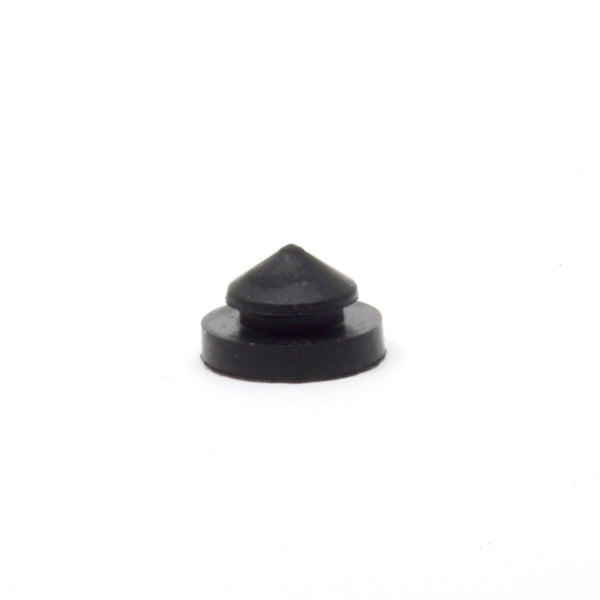
A push-in bumper is a small rubber or flexible plastic part with a stem that presses into a pre-drilled hole in the cabinet frame or door. The head of the bumper creates the contact point that softens closing. Instead of wood, laminate, or painted surfaces meeting directly, the bumper absorbs part of that impact.
That matters for a few reasons. First, it reduces noise, which is usually the reason homeowners notice the problem in the first place. Second, it helps prevent finish damage over time. Third, it can slightly improve the feel of the door when it closes, especially on lighter cabinets that otherwise sound hollow or harsh.
It is not a cure-all, though. If a cabinet door is badly misaligned, warped, or slamming because of hinge issues, a bumper will not fix the root problem. It can reduce contact and noise, but it cannot correct poor door alignment or replace the function of a soft-close hinge.
Why push-in styles are different from stick-on bumpers
Stick-on bumpers are common because they are easy to install. Peel, press, done. For some situations, that is enough. But a push in bumper for cabinet door applications has one clear advantage: retention.
Because the stem fits into a hole, the bumper is less likely to slide, peel off, or shift under repeated use. That makes it a better choice for cabinets that see frequent opening and closing, shop cabinets, utility spaces, rental properties, and any setting where a more secure fit matters.
The trade-off is that sizing matters more. A stick-on bumper can be placed almost anywhere. A push-in bumper has to match the existing hole diameter, stem style, and sometimes the panel thickness or mounting depth. If the fit is off, it may fall out, distort during installation, or sit too loose to do its job well.
How to measure for the right fit
If you only take one thing from this article, make it this: measure the mounting hole before buying. Close-looking parts often fail because the stem is slightly too large or too small.
Start with the hole diameter. This is the most important measurement. If you are replacing an old bumper, remove it first and measure the cabinet hole directly rather than guessing from the old part. Flexible materials can swell, compress, or wear over time, so the old bumper is not always a reliable reference.
Next, look at stem length and head diameter. The stem length affects how securely the part seats in the hole. The head diameter affects the contact area and how much cushion you get on closure. A larger head may offer more surface contact, but it can also stand out more visually.
You should also check head height or projection. If the bumper projects too far, the door may sit proud or fail to close as tightly as expected. If it is too short, it may barely cushion the impact at all. This is one of those small details that changes the final feel of the cabinet more than people expect.
Material matters more than it seems
Most buyers focus on size first, which makes sense, but material affects performance too. A softer rubber bumper generally gives more cushioning and quieter contact. A firmer material may last longer in high-use environments or provide a more controlled stopping point.
For a kitchen or bathroom vanity, many people prefer a softer feel and less noise. For a garage cabinet, workshop cabinet, or utility enclosure, durability may matter more than having the quietest possible close.
Temperature and environment can also affect material choice. In normal indoor settings, this is usually not a major concern. But if cabinets are in a hot garage, enclosed trailer, or commercial space with changing conditions, softer materials may age differently than firmer ones. It depends on use, exposure, and how often the door cycles.
Common problems when the bumper is wrong
A poorly matched bumper usually tells on itself pretty quickly. If it falls out when the door closes, the stem is likely undersized or not suited to the hole shape. If it takes too much force to install, it may be oversized, which can damage the part or stress the mounting hole.
Sometimes the bumper stays in place but still performs badly. That often happens when the head height is wrong. The door may still click loudly, or it may stop too early and look slightly ajar. In painted cabinets, an incorrect bumper can even create uneven contact points that mark the finish over time.
Another common issue is mixing bumper styles across a cabinet run. If one door has a taller or softer bumper than the next, the cabinets can feel inconsistent. In a kitchen, that difference is noticeable. In a commercial or maintenance setting, it can create the impression that the job was pieced together rather than fitted properly.
When to replace instead of reuse
If you remove an old bumper and it looks flattened, cracked, hardened, or discolored, replace it. These parts are inexpensive compared to the annoyance of repeated cabinet noise or the wear caused by direct impact.
It is also worth replacing bumpers when you repaint cabinets, change hinges, or update doors. A bumper that worked with an old alignment might not be ideal after adjustments. This is especially true if the reveal or door stop position changes even slightly.
For multi-door cabinets, replacing all matching bumpers at once is often the better move. It keeps closure feel more consistent and avoids the cycle of replacing one failed part at a time.
Installation is simple, but fit still matters
Installing a push-in bumper is usually straightforward. Line up the stem with the mounting hole and press it in evenly. In some cases, a firm hand push is enough. In others, especially with tighter fits, gentle pressure with a non-marring tool helps seat it fully.
The key is not to force a part that clearly does not fit. If the stem mushrooms, tears, or distorts, stop and recheck the dimensions. Forcing the wrong size into the hole can damage both the bumper and the cabinet.
Before calling the job done, close the door a few times and pay attention to the contact point. The door should close evenly, cushion properly, and sit the way you expect. If it feels off, it may not be a bad bumper - it may just be the wrong size for that application.
Buying advice that saves time
If you are sourcing a push in bumper for cabinet door replacement, the fastest path is to shop by exact measurements, not by appearance alone. Hole size, stem diameter, head diameter, and projection should all be part of the decision.
This matters whether you need two pieces for a bathroom vanity or a larger quantity for repair work, property maintenance, or cabinet production. A hardware supplier that makes fitment easy saves more time than one with a bigger-looking catalog. At dangoodbuy, that measurement-first approach is the whole point - helping people get the right small part without digging through confusing listings or buying far more than they need.
For DIY buyers, the goal is usually simple: stop the slam and protect the cabinet. For maintenance and commercial buyers, consistency and repeatability matter just as much. In both cases, the right part is the one that fits cleanly, installs without drama, and holds up under real use.
A small cabinet bumper is not flashy hardware, but when it fits right, you notice the difference every time the door closes.