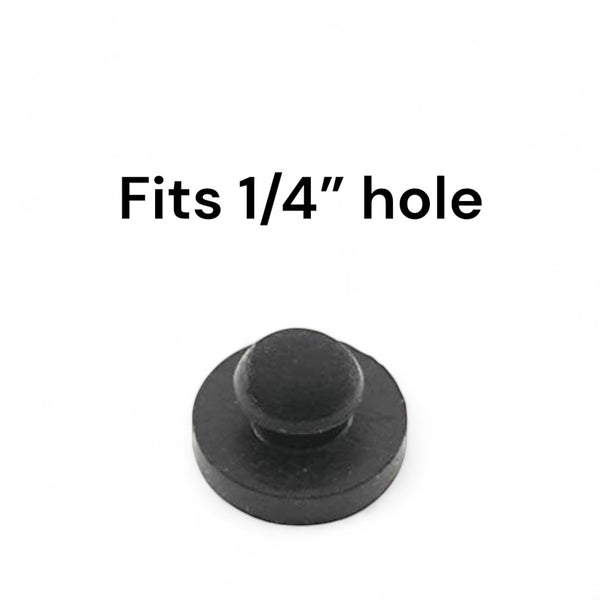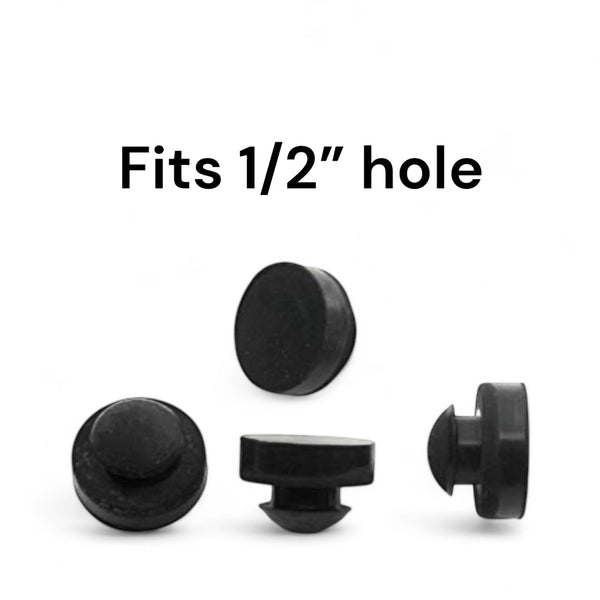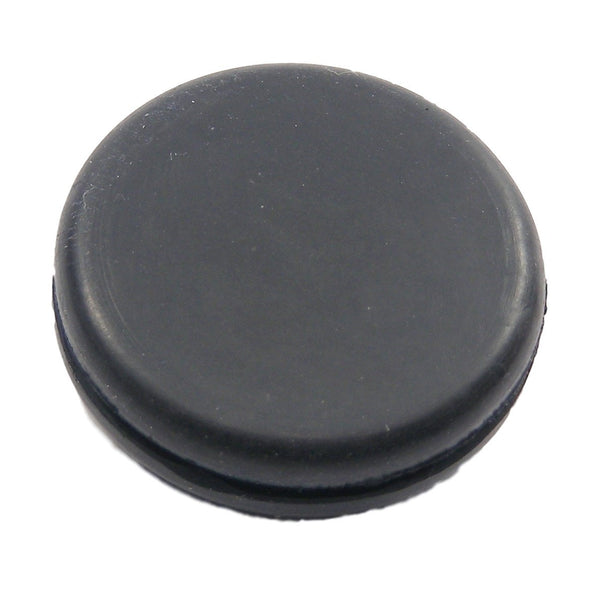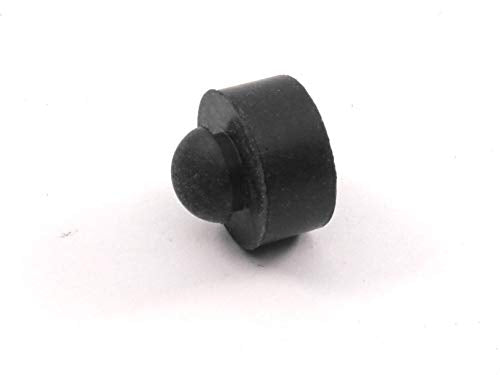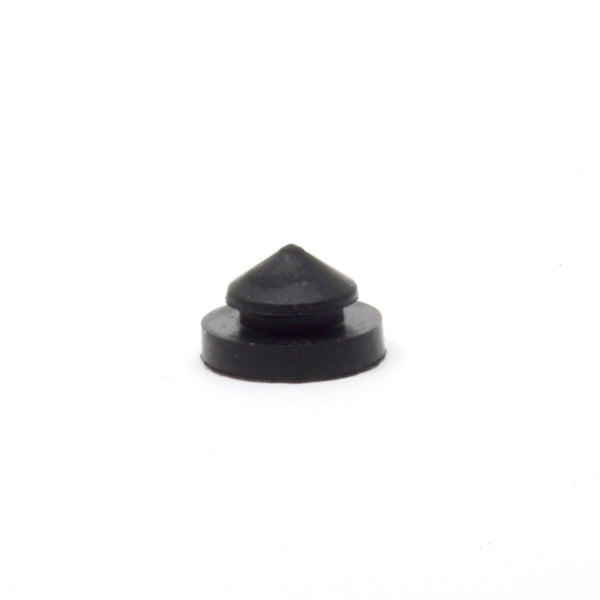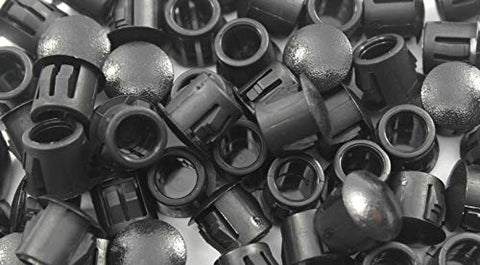
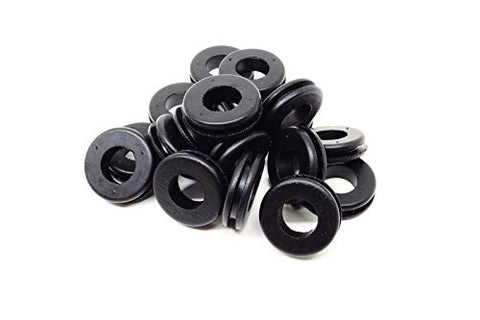

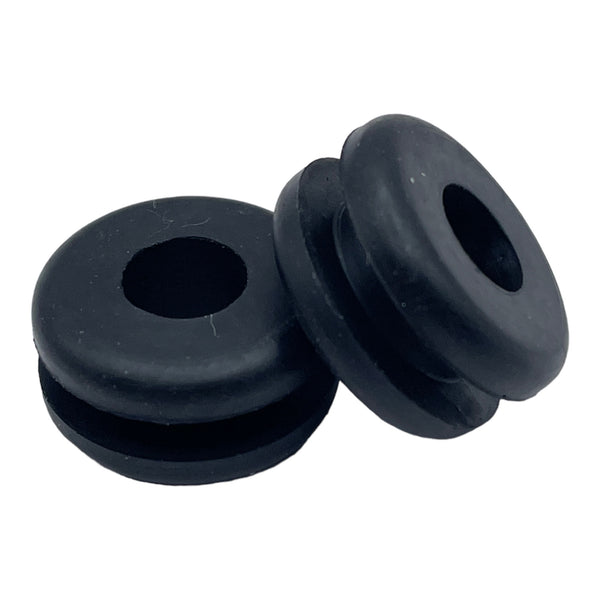
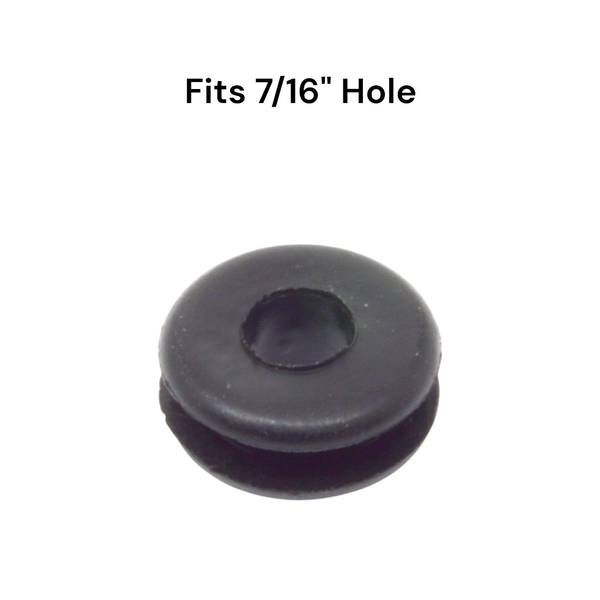
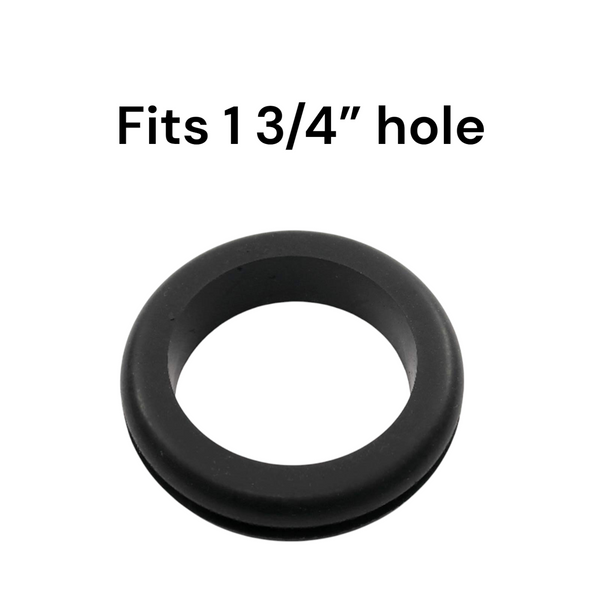
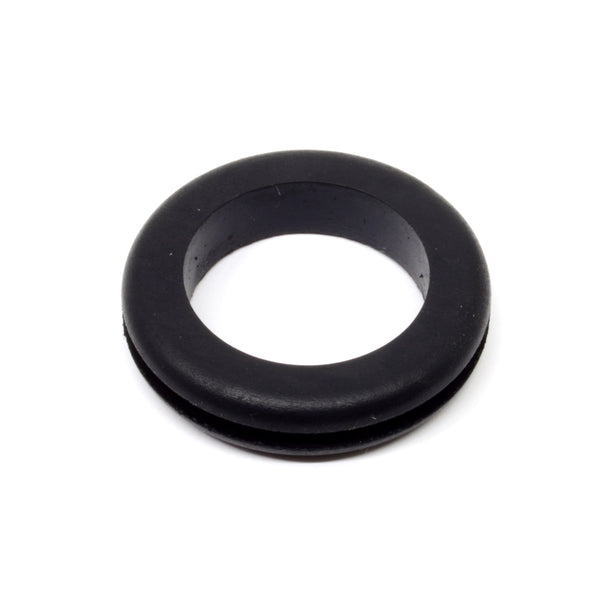
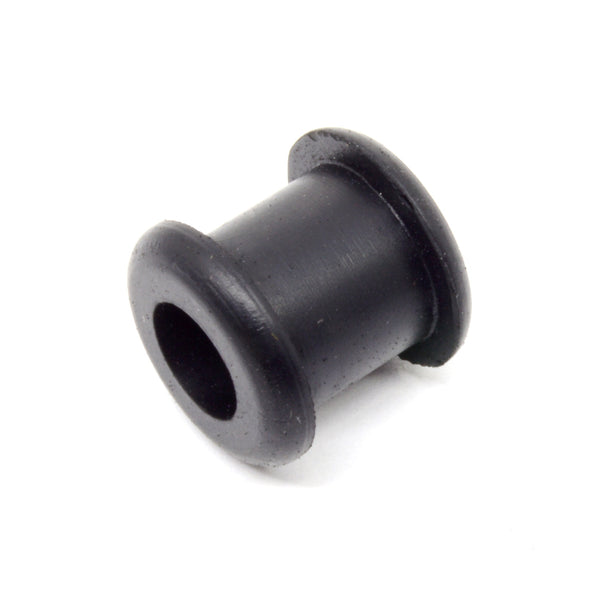
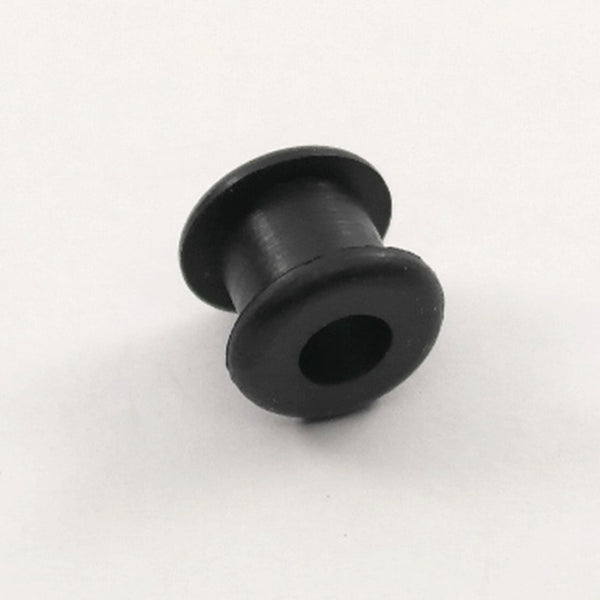
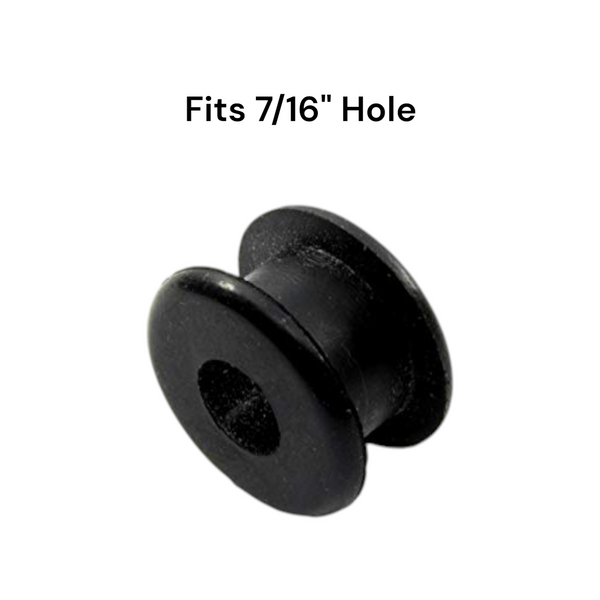
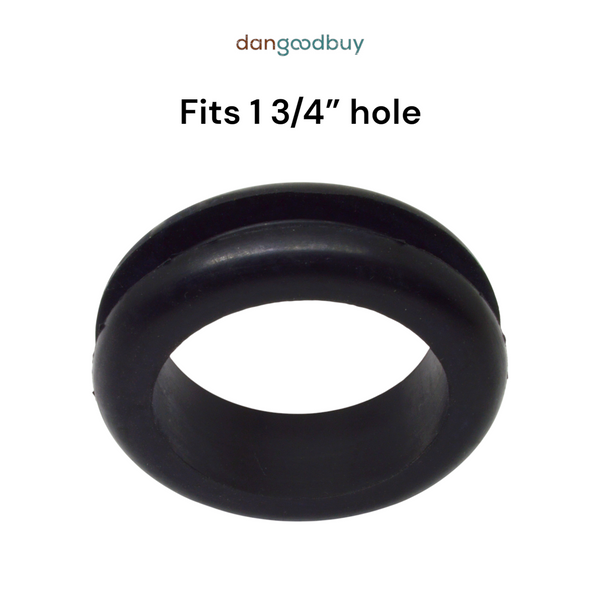
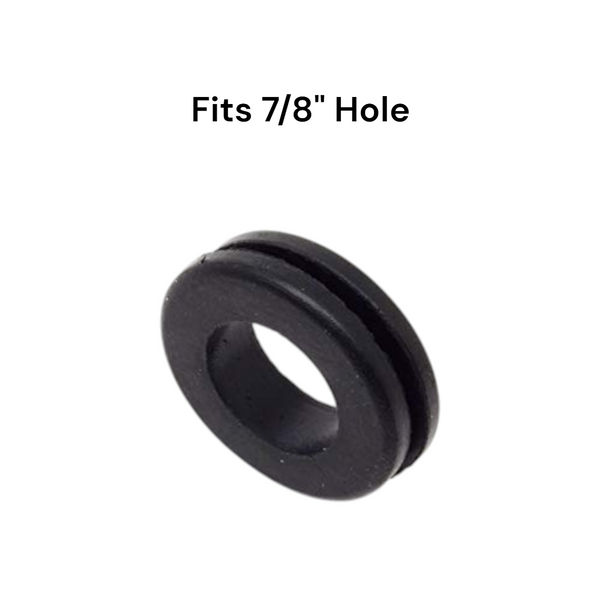

A loose wire through a sharp panel hole is the kind of small problem that turns into a real one later. If you need strain relief, edge protection, and a secure fit in one part, an expandable locking grommet for sheet metal is often the answer. The trick is not just knowing what it does, but knowing how to match it to the hole, the panel, and the cable or tubing passing through it.
What an expandable locking grommet for sheet metal does
This style of grommet is made to snap into a panel opening and stay put, even when there is vibration, movement, or repeated handling. Unlike a basic rubber grommet that mainly cushions an edge, an expandable locking design adds retention. It grips the panel and tightens into place so it is less likely to back out when wires are pulled or when equipment gets bumped around.
That makes it useful in electrical boxes, fabricated enclosures, automotive panels, equipment housings, and repair work where a plain pass-through opening is not enough. If the job calls for a cleaner installation and a more secure hold than a standard push-in grommet, this is usually the category to check first.
The main benefit is simple. You protect the material passing through the hole while also keeping the part itself firmly seated in the metal. That matters when the panel edge is sharp, the fit needs to stay consistent, or access is limited once everything is assembled.
Why buyers choose this style over a standard grommet
A standard rubber grommet works well for many jobs, but it depends heavily on groove fit and panel thickness. In lighter-duty setups, that is enough. In sheet metal applications that see vibration, tighter clearances, or repeated wire movement, an expandable locking type can give you more confidence.
The locking action helps in situations where the panel opening may not forgive a loose fit. It can also help when the assembly needs to look finished and stay that way. For DIY buyers, that usually means less trial and error. For maintenance teams and small production shops, it often means fewer callbacks and less rework.
There is a trade-off, though. Expandable locking grommets are not universal fillers for every hole. They still need the right dimensions to work correctly. If the hole size is off, the panel is too thick or too thin for the part, or the inner opening is too tight for the cable bundle, the installation can become frustrating fast. Further, the main difference between rubber grommets and expandable locking grommets is that rubber grommets are finished on both sides while expandable locking grommets are only finished on one side.
The measurements that matter most
When shopping for an expandable locking grommet for sheet metal, the most important step is measuring the application instead of guessing from photos. This is where buyers usually save time or lose it.
Start with the hole size. That is the opening in the sheet metal where the grommet will install. A small difference here matters more than many people expect. Even a part that looks nearly identical can fit very differently if the intended hole diameter is off.
Next, check panel thickness. Locking grommets are designed around a grip range or a target panel thickness. If the sheet metal, piece of wood, or other product is outside that range, the part may not seat properly or lock with enough force. Thin sheet can feel loose. Thicker panel material can prevent the grommet from snapping in fully. However for thicker panels, a little bit of glue could hold it in place if there isn't a lot of tension.
Then look at the inner diameter or usable pass-through opening. This needs to accommodate the wire, cable, tubing, or bundle without forcing it. If you are passing multiple conductors, measure the grouped diameter, not just a single wire. It is common to choose a part that fits the hole perfectly but ends up too tight on the contents.
Groove width and overall flange dimensions can matter too, especially in tighter assemblies. If the opening sits near another component, wall, bracket, or bend, make sure the installed grommet will have enough room around the edge.
Common applications and where fitment tends to matter most
In automotive work, these grommets often show up in firewall panels, body panels, utility boxes, trailers, and aftermarket accessory installs. Vibration resistance matters here, and so does protecting wires from chafing over time. A loose edge protector might work at first, but a locking style tends to hold better when the vehicle sees movement and temperature changes.
In electrical and mechanical enclosures, the goal is usually clean cable entry through a knockout or drilled opening. Here the fit needs to be predictable, especially when the enclosure is already mounted and access is awkward. A part that snaps in securely is easier to trust than one that can shift during service.
Fabricators and maintenance buyers often care about repeatability. If a panel design calls for the same hole size across multiple units, choosing the right expandable locking grommet can simplify assembly and keep the finished result consistent. That matters whether you are building ten pieces or replacing one failed part on older equipment.
For homeowners and DIY users, the appeal is usually simpler. You want the wire protected, the opening covered cleanly, and the part to stay in place without a lot of fuss. Often this wire is a phone or computer charger, a smart home device, or some other form of electronic device. The same rules still apply, though. Measure first, then buy to the dimensions.
How to avoid the most common ordering mistakes
The biggest mistake is ordering by appearance. Many grommets look similar in product photos, especially in black rubber or flexible plastic. What separates the right part from the wrong one is usually a fraction of an inch in hole size, panel grip, or inside opening.
Another common mistake is measuring the old part instead of the actual application. If the original grommet is worn, stretched, or from a slightly different assembly revision, it may not reflect the correct dimensions anymore. Measure the panel hole and panel thickness directly whenever possible.
Buyers also sometimes focus only on the outside fit and forget the pass-through requirement. That is easy to do if you are replacing a missing part before the wire routing is finalized. Leave room for the actual cable bundle, any sleeving, and a little installation tolerance. Too tight can be just as troublesome as too loose.
One more issue is assuming sheet metal is always one standard thickness. In reality, enclosures, vehicle panels, and fabricated brackets vary quite a bit. If your application includes paint buildup, coatings, or doubled material around the opening, include that in the measurement.
A practical way to choose the right size
If you want the process to go smoothly, work in this order. Measure the panel hole first. Measure the panel thickness second. Measure the cable, tube, or bundle third. Then compare those numbers to the product dimensions.
That sequence helps because the panel fit determines whether the part can install correctly at all. Once that checks out, you can confirm whether the inner opening works for the material passing through. If you reverse that order, it is easy to find a good internal opening on a part that will never lock into your sheet metal properly.
This is also where a measurement-based catalog is worth more than a broad industrial listing full of vague naming. Buyers do better when they can shop by exact hole size, groove width, inner diameter, and panel thickness instead of guessing from a generic description. That is especially true when you only need a few pieces and do not want to overbuy just to test options.
When this part is the wrong choice
An expandable locking grommet is useful, but it is not always the best answer. If the opening needs to be sealed against moisture, dust, or washdown conditions, you may need a different style of plug, bushing, or sealed strain-relief component. If the cable needs active clamping or pullout resistance, a dedicated cord grip may make more sense.
It may also be the wrong choice if the panel opening is irregular, damaged, or oversized beyond the intended tolerance. In those cases, even a locking design may not compensate for a bad hole. Repairing the opening or choosing a different hardware solution can save more time than trying to force a near fit.
Why fitment-focused shopping matters here
Small hardware parts are easy to underestimate until one missing dimension stops a project. Expandable locking grommets are a good example. They solve a simple problem, but only when the measurements line up. That is why clear sizing and straightforward product naming matter so much.
For buyers who are tired of flipping through vague catalogs or ordering ten versions just to find one that fits, a measurement-first approach cuts through the noise. dangoodbuy is built around that idea, which is why these parts are easier to match by actual dimensions instead of guesswork.
If you are choosing an expandable locking grommet for sheet metal, take a minute to measure the hole, the panel, and the pass-through opening before you buy. That small step usually makes the difference between a part that kind of works and one that fits like it should.