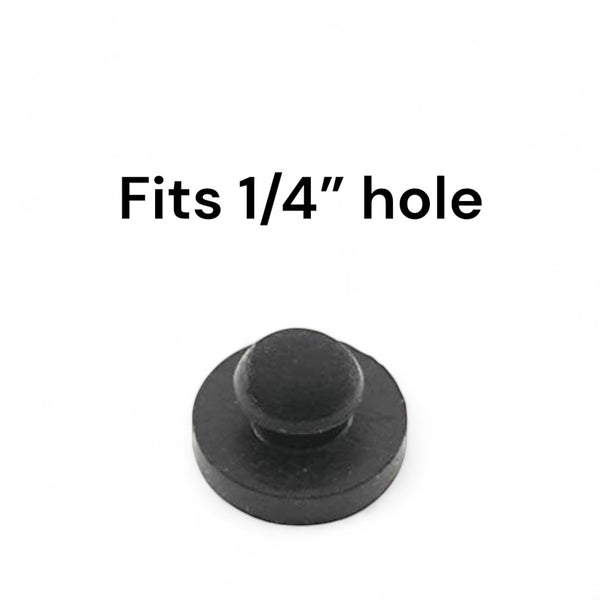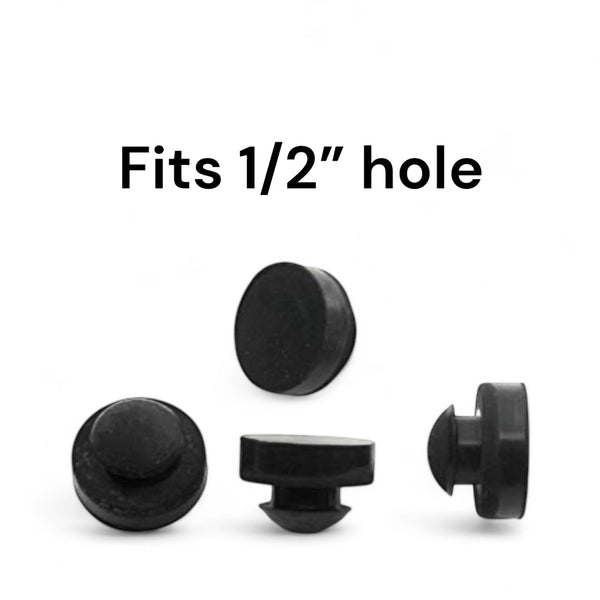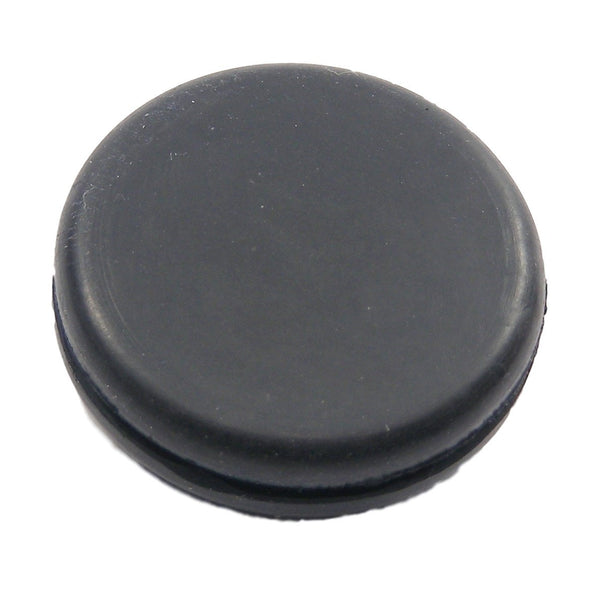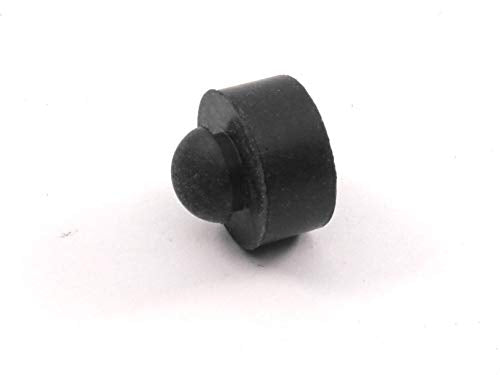


A machine that hums too loud, walks across the bench, or rattles the floor usually has a vibration problem before it has a major failure problem. In many cases, rubber feet for machine vibration are one of the simplest fixes - but only if the size, rubber type, and load rating actually match the job.
That is where people often get stuck. They know they need something under the machine, but not whether they need a soft bumper-style foot, a threaded leveling foot, or a heavier anti-vibration mount. The wrong part can compress too much, wear out early, or barely reduce vibration at all.
What rubber feet for machine vibration actually do
Rubber feet are doing more than keeping metal off the floor. They create a layer between the machine and the surface below it, which helps absorb and interrupt some of the energy created by motors, rotating parts, compressors, pumps, and general machine movement.
That can solve a few problems at once. First, it cuts down on noise transfer into the bench, cabinet, or floor. Second, it helps reduce sliding or creeping, especially on smooth surfaces. Third, it can limit wear on the machine base and protect painted, coated, or finished surfaces underneath.
There is a limit, though. Rubber feet will not fix a badly unbalanced motor, a bent shaft, or worn bearings. If vibration is coming from a mechanical fault, isolation helps manage the symptoms, but it does not replace repair.
When simple rubber feet are enough
For lighter machines and equipment, standard rubber feet can make a noticeable difference without turning into an engineering project. Bench-top tools, small air compressors, enclosures with cooling fans, electronics cabinets, light-duty pumps, and shop-built equipment often benefit from basic feet as long as the load is reasonable and the footprint is stable.
In those cases, the goal is usually practical: less rattling, less movement, and less transmitted noise. A flat rubber foot with good surface contact is often enough, especially when the machine already has mounting points or a level base.
If the machine is especially heavy, runs at high RPM, or creates strong repeated impacts, standard feet may not be enough on their own. That is usually where more specialized isolation mounts come into the picture.
Size matters more than most people expect
A lot of buying mistakes come down to sizing. People focus on the overall diameter because it is easy to see, but the more important questions are how much weight each foot will carry, how much contact area it has, and how the foot attaches to the machine.
A foot that is too small can bottom out, crack, or let the machine rock. A foot that is too large and too hard may support the weight just fine but transmit more vibration than expected. You are looking for a balance between support and isolation.
As a starting point, divide the machine weight by the number of feet actually carrying the load. That sounds obvious, but uneven bases are common. A four-foot machine may really be riding on three points unless the frame is flat or adjustable. If one foot is overloaded, it will wear faster and perform worse.
Check diameter, height, and attachment style
Diameter affects stability and contact area. Height affects how much the rubber can deflect under load. Attachment style determines whether the foot stays put.
Press-on, screw-on, adhesive-back, and threaded styles each have a place. For machines, threaded or mechanically retained feet are usually the safer choice because vibration tends to work loose anything that is only lightly attached. Adhesive-backed feet are fine for lighter equipment and enclosures, but not usually the best answer for heavier moving machinery.
Rubber hardness changes the result
One of the biggest trade-offs with rubber feet for machine vibration is hardness. Softer rubber generally isolates vibration better because it deflects more. Harder rubber usually lasts longer under heavy loads and resists deformation better.
That means there is no single best rubber foot for every machine. A soft foot on a heavy machine may squash down too far and lose effectiveness. A very hard foot on a light machine may behave almost like a solid spacer and do very little to reduce noise.
If your priority is maximum grip and a little noise reduction on a modest load, a medium rubber foot often works well. If your priority is stronger vibration control, you usually need more compliance, but only within the load range the foot is designed to handle.
This is also why exact measurements matter so much when shopping for parts. Good fitment is not just about whether the screw size matches. It is about whether the foot performs correctly once the machine is sitting on it.
Shape and design make a difference
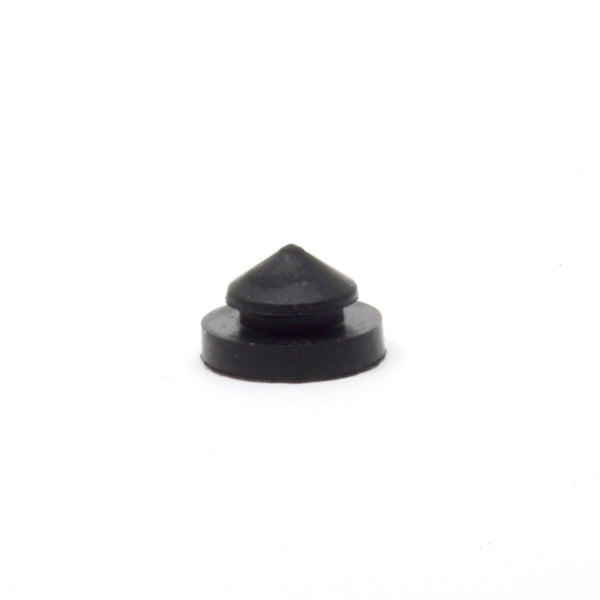
Not all rubber feet are shaped the same because they are solving different problems. Flat-bottom cylindrical feet are common for general support and grip. Tapered feet can help with certain enclosures and lighter equipment. Threaded stem feet are useful when you need secure mounting or slight leveling adjustment.
Some feet are solid rubber. Others combine rubber with a metal washer, threaded insert, or internal reinforcement. Reinforced designs are often better for machines because they hold their shape better under repeated load and give you a more reliable mounting method.
If the machine needs both leveling and vibration control, a threaded foot may be the better fit than a simple push-on cap. If the machine already has a flat base plate with drilled mounting holes, a bolt-through style may give better long-term stability.
Surface conditions matter too
The same foot can behave differently on concrete, steel, wood, tile, or a painted workbench. A smooth sealed floor may allow more creeping than rough concrete. A lightweight metal bench can amplify vibration that a heavy floor would absorb.
Oil, coolant, cleaning chemicals, and outdoor exposure also matter. Some rubber compounds hold up better than others in dirty or wet environments. If a machine sits in a garage, shop, plant, or service truck where chemicals or temperature swings are common, durability is just as important as vibration reduction.
This is where buyers often benefit from a measurement-first approach. Instead of guessing from a picture, it helps to shop by diameter, height, thread size, and intended use. That is a big part of why a parts-focused supplier like dangoodbuy makes these categories easier to navigate than a generic hardware listing.
Signs you chose the wrong foot
Sometimes the problem is obvious right away. The machine still rattles, or it shifts during operation. Other times the signs show up after a few weeks.
If the rubber is permanently flattened, cracking, tearing around the fastener, or allowing the machine to tilt, the foot is probably undersized or too soft. If vibration and noise hardly changed at all, the foot may be too hard, too short, or not designed for the frequency and weight of the equipment.
Another common issue is using feet only at the corners of a machine with an uneven frame. That can create rocking and concentrate the load badly. In some cases, adding support points or switching to adjustable feet makes more difference than changing rubber compound.
How to choose with less trial and error
Start with the machine weight, then look at how the machine mounts and where the load actually sits. Measure the current foot or mounting point carefully, including diameter, height, screw size, thread type, and spacing if the machine uses a plate or bracket.
Then think about the real goal. If you mainly want to protect the surface and stop sliding, a durable general-purpose rubber foot may be enough. If the bigger problem is noise and transmitted vibration, pay closer attention to rubber hardness, foot height, and whether a more specialized isolating mount is the better option.
Also be realistic about the environment. Shop dust and dry conditions are one thing. Oils, weather, and constant movement are another. A foot that works great on a home bench grinder may not last under commercial equipment that runs every day.
Rubber feet are small parts, but they affect the whole setup
Machine vibration has a way of spreading. It loosens hardware, creates noise, marks surfaces, and makes equipment feel cheaper or less stable than it really is. The right rubber feet can clean up a lot of that without much cost or installation time.
The key is not buying by appearance alone. A part that looks close is not always close enough when load, fitment, and rubber characteristics all affect the result. Get the measurements right, match the foot to the machine, and you give yourself a much better chance of fixing the problem the first time.
If your machine is shaking, buzzing, or creeping, this is one of those small hardware upgrades worth doing carefully.