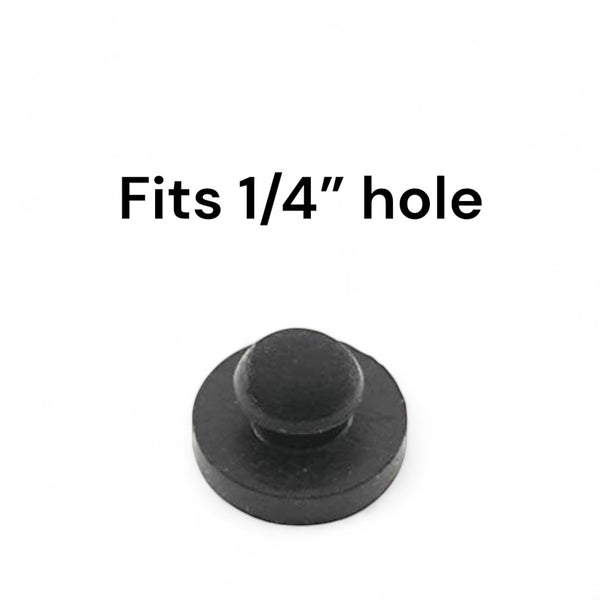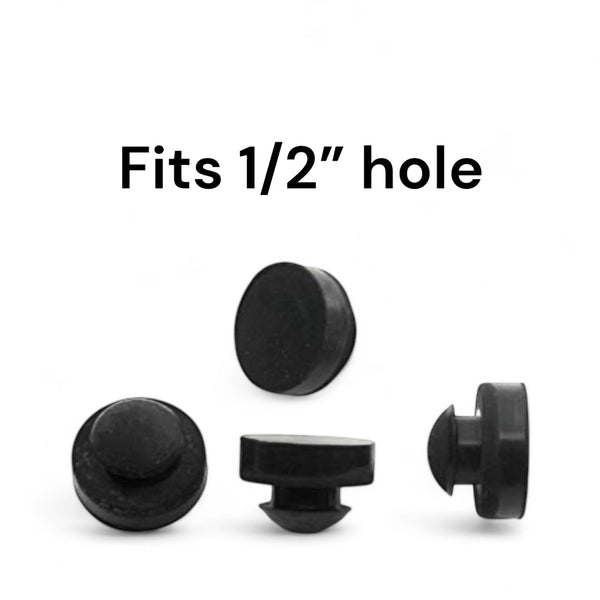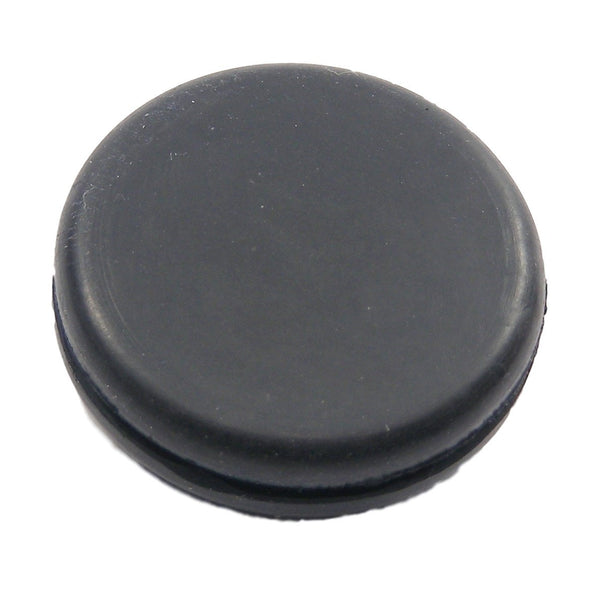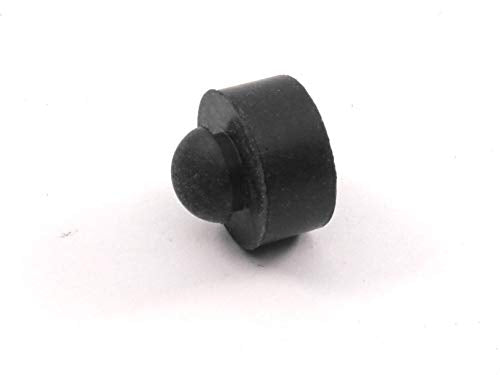

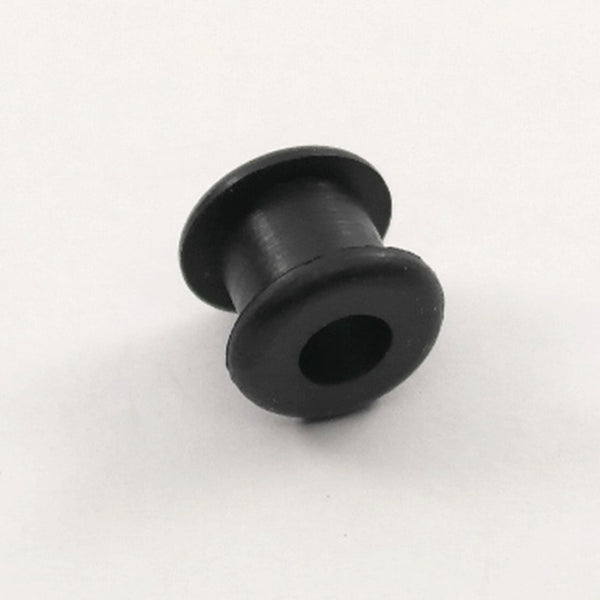
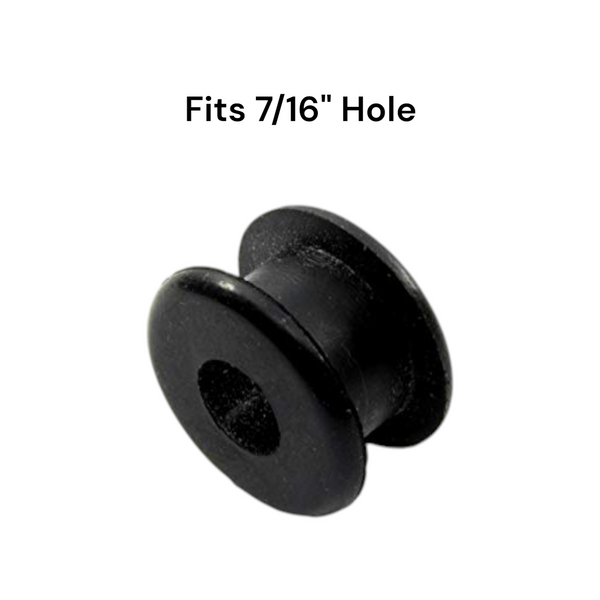
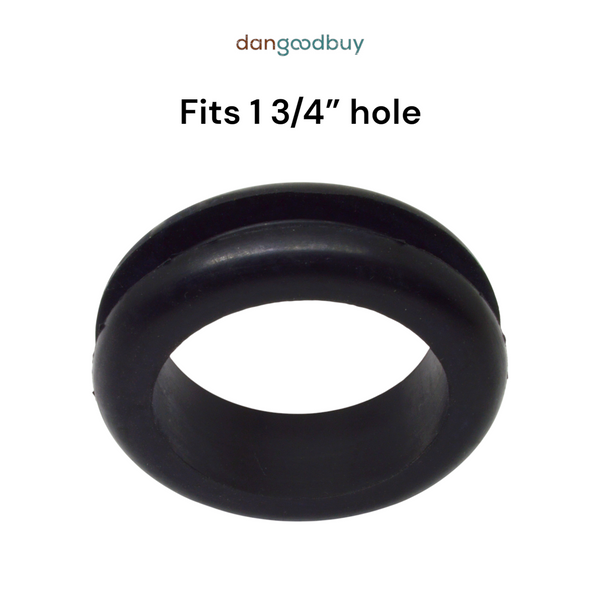
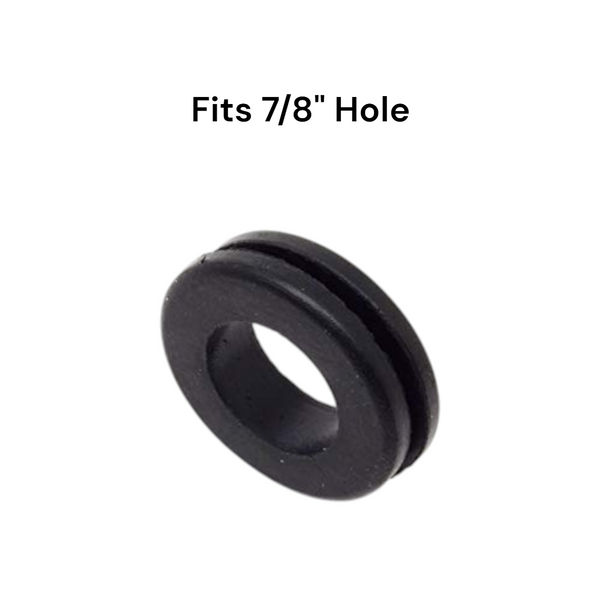

A wire run can look fine right up until vibration, sharp sheet metal, or a tight pull starts cutting into the insulation. That is usually when people start searching for the best rubber grommet for wire protection, but the real answer is less about a single “best” part and more about choosing the right fit for the hole, panel, and wire bundle.
If you are routing wire through metal, plastic, or another hard panel, a grommet is doing two jobs at once. It protects the wire jacket from abrasion, and it helps clean up the opening so the installation stays more secure over time. Get the size right, and it feels easy. Get it wrong, and you end up forcing the wire, fighting the panel, or replacing damaged insulation later.
How to choose the best rubber grommet for wire protection
The quickest way to narrow the field is to stop thinking in general terms and start with measurements. Most buying mistakes happen because someone shops by photo, guesses the size, or focuses only on inner diameter without checking the panel opening.
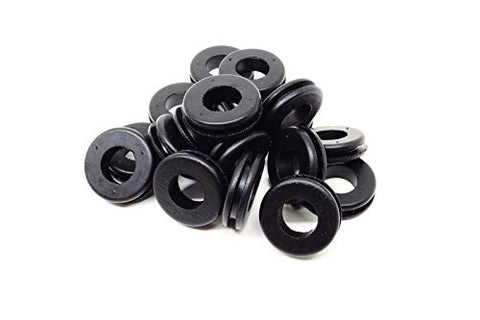
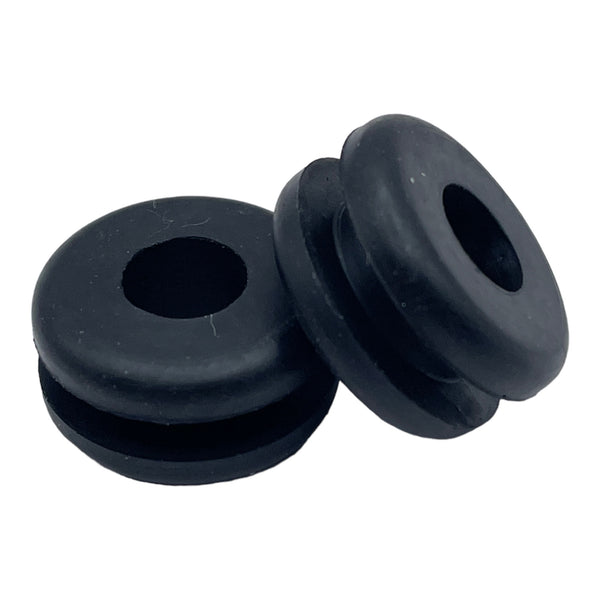
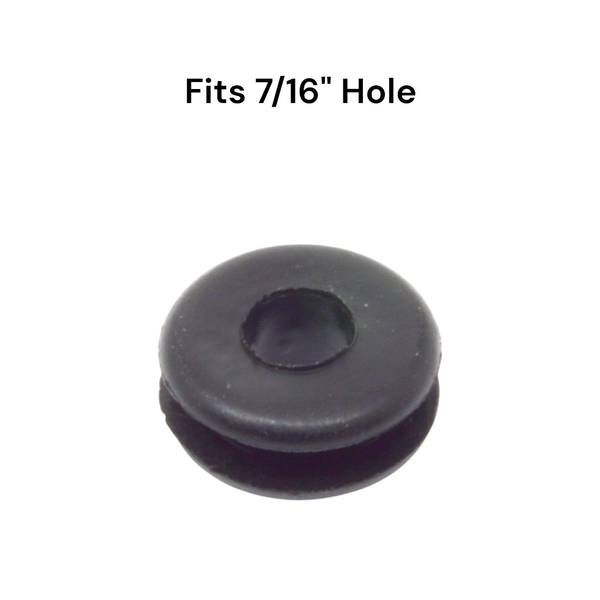
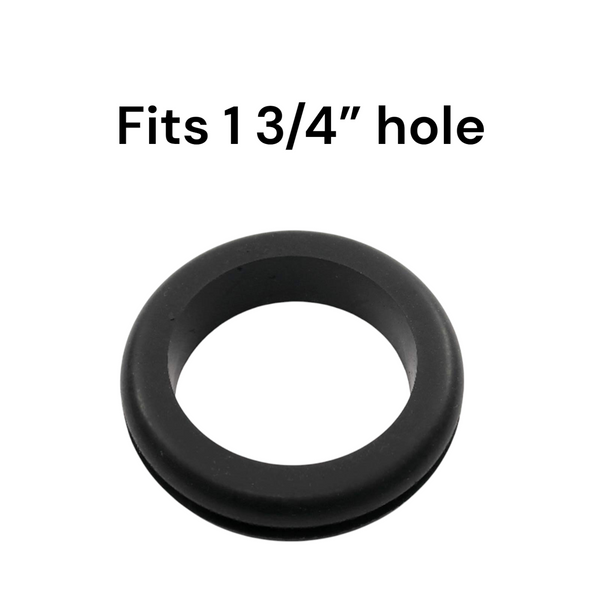
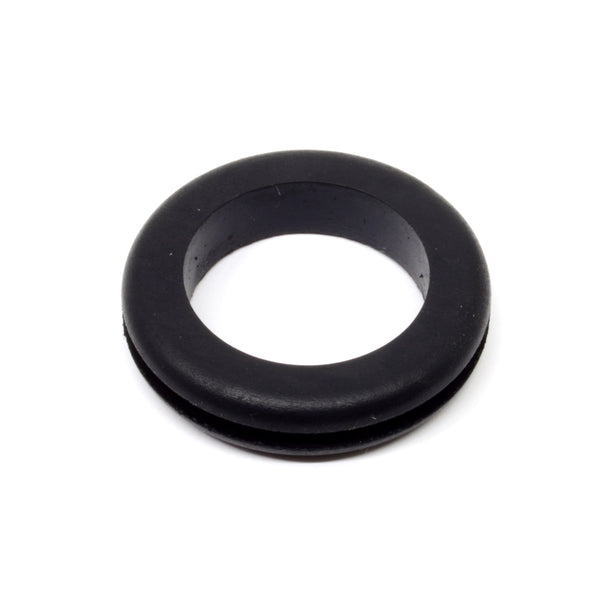
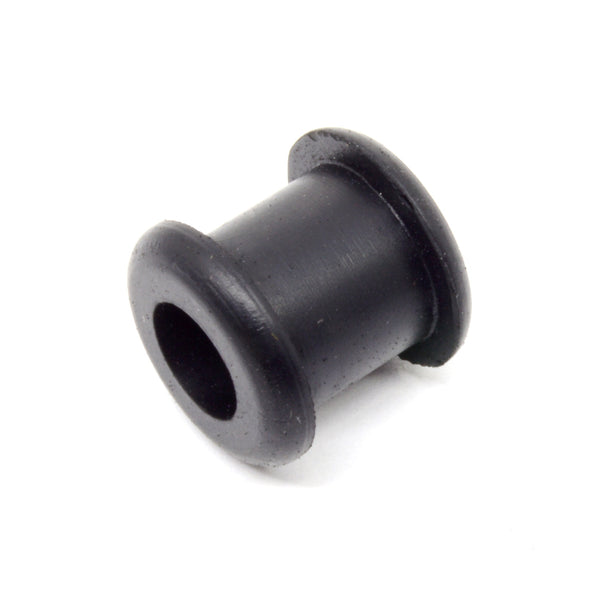
The first measurement that matters is the hole size. A rubber grommet is typically designed to snap into a specific panel hole, and that outer groove has to match the opening closely enough to stay seated. If the hole is too large for the grommet, it may slip or pop out. If the hole is too small, installation becomes a fight and the grommet may deform.
Next is panel thickness. Some grommets have more flexibility here than others, but panel thickness still matters because the groove needs to grab the panel properly. Thin sheet metal, heavier steel, fiberglass panels, and plastic enclosures can all behave a little differently. A grommet that fits the hole diameter but does not suit the panel thickness may look installed while still sitting poorly.
Then look at the inside diameter. This is where the wire or cable bundle passes through. You want enough room to avoid pinching, but not so much open space that the wires rattle around or lose protection at the edge. For a single wire, that can be straightforward. For multiple conductors, sleeved cable, or a harness with connectors nearby, you need to think about the actual bundle diameter during installation, not just the nominal wire gauge.
Material softness also changes the result. A softer rubber grommet can be easier to install and may conform better in some applications. A firmer one may hold shape better under repeated movement or heavier wire loads. There is no universal winner. A DIY electrical box pass-through and an automotive firewall opening do not place the same demands on the part.
What actually makes a grommet the best choice
The best rubber grommet for wire protection is the one that fits cleanly without stretching the wire opening too far or sitting loose in the panel. That sounds simple, but it is the whole game.
A good choice should install without excessive force, sit evenly in the hole, and let the wire pass through without shaving, binding, or bunching the insulation. It should also match the environment. If the wires will be exposed to vibration, movement, dust, or outdoor conditions, fitment becomes even more important because small sizing errors show up faster.
For basic indoor use, a standard rubber grommet often does the job well. For automotive, equipment, garage, and shop applications, buyers usually benefit from paying closer attention to wall thickness, cable movement, and whether the wire bundle may change later. If there is a chance you will add another conductor, stepping up slightly in inside diameter can help, but going too large reduces edge support. That is the trade-off. Most rubber grommets at dangoodbuy are either Buna-N or SBR, but can potentially get different types if necessary.
Common sizing mistakes buyers make
The most common mistake is measuring the old grommet instead of the panel hole. Old rubber can shrink, swell, crack, or flatten, so it is not always a trustworthy reference. Measure the actual hole whenever possible.
Another mistake is choosing by wire size alone. People often think, “My cable is 3/8 inch, so I need a 3/8 inch grommet.” That only solves half the problem. The panel hole may require a completely different outside profile.
A third issue is ignoring bundle shape. A round inner diameter works well for many applications, but a wire group is not always perfectly round once routed. If you are pushing several wires through one opening, account for how they sit together, especially if they include thicker insulation or protective loom.
Some buyers also underestimate installation access. A grommet that technically fits may be difficult to snap into place if the panel is already mounted or space is limited behind it. In tight enclosures, a slightly different size or style can make the job far easier.
Best rubber grommet for wire protection in different applications
For home electrical and light DIY work, the best option is usually a standard rubber grommet matched closely to the hole size and wire outside diameter. You want a part that installs quickly and gives basic abrasion protection without overcomplicating the project.
For automotive use, vibration matters more. Firewall pass-throughs, body panels, accessory wiring, trailer setups, and under-hood routing all put more stress on the edge where wire meets panel. In those cases, a snug groove fit and adequate inner diameter are worth more than simply grabbing the cheapest part that looks close.
For shop equipment and machinery, think about repeated movement and maintenance access. If the wire will flex, pull, or be serviced later, do not choose a grommet so tight that every adjustment becomes a hassle. Protection is important, but serviceability matters too.
For fabrication and small production work, consistency matters most. Once you find the right measurements, staying with a spec-driven part makes repeat installs faster and cleaner. That is where measurement-based shopping saves time compared with browsing vague product images and hoping for a match.
Why measurement-driven shopping matters
Rubber grommets are small parts, but they create outsized frustration when the listing does not clearly show fitment details. Buyers should not have to guess whether a grommet fits a 1/2 inch hole, a 1/16 inch panel, or a 3/8 inch cable bundle.
That is why exact dimensions matter more than marketing language. Hole size, groove width, inside diameter, outside diameter, and panel thickness tell you far more than labels like “small,” “universal,” or “heavy duty.” A clear measurement-based catalog is usually the fastest path to the correct part, especially if you only need a few pieces and do not want to overbuy.
For a lot of customers, that is the real difference between a frustrating sourcing experience and an easy one. Whether you need one grommet for a repair or a larger quantity for repeat builds, the process should start with dimensions, not guesswork. That is also why dangoodbuy focuses so heavily on fitment-based navigation.
A simple way to pick the right grommet the first time
Start by measuring the panel hole as accurately as you can. Then measure the panel thickness. After that, measure the outside diameter of the wire, cable, or bundle that will pass through the opening. If the wire already has a connector attached, make sure the opening and installation method still make sense for the full assembly.
Once you have those numbers, compare them against the grommet specs in that same order. Hole size first, panel thickness second, wire clearance third. Buyers often reverse that order, and it leads to bad fits.
If you are between sizes, think about the application. For a fixed wire in a low-movement setup, a closer fit on the inside diameter may be ideal. For a thicker jacket, multiple wires, or a harder installation angle, a bit more clearance may be the better call. There is no shame in choosing practicality over theoretical perfection.
A good grommet should disappear into the job once installed. You should not have to think about it again, and your wire should not be rubbing a raw edge every time the equipment moves or the panel vibrates.
That is the standard worth aiming for. Not the flashiest option, not the most expensive one, and not the one with the broadest claims on the package. Just the right rubber grommet, with the right measurements, for the way your wire actually needs to run. When you shop that way, wire protection stops being a guessing game and starts being a quick, confident decision.