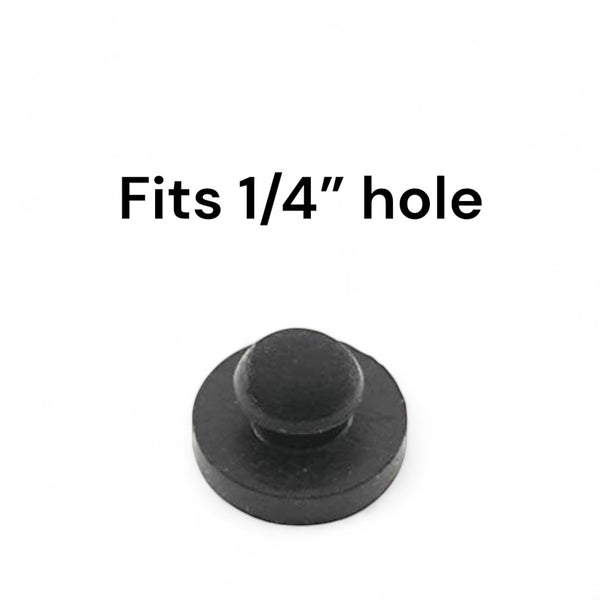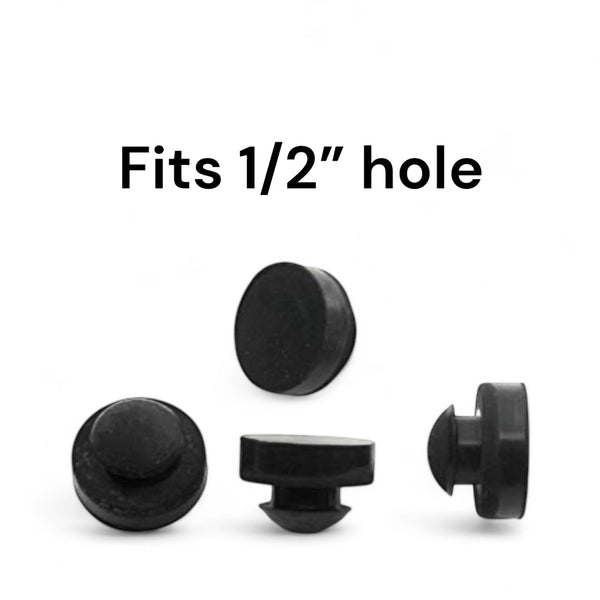

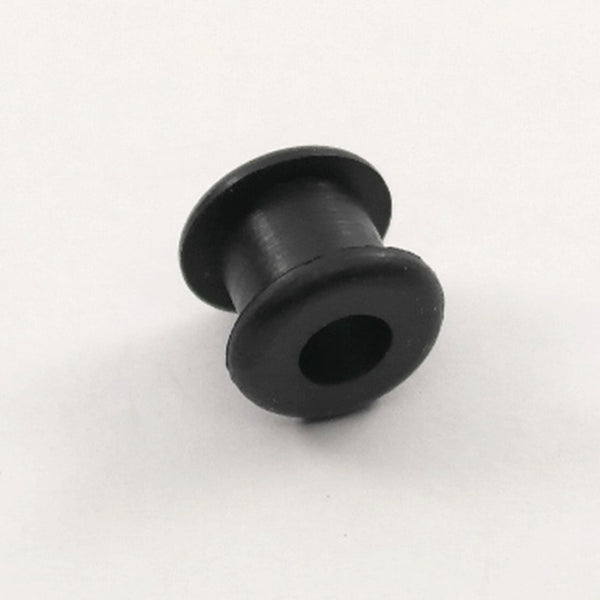
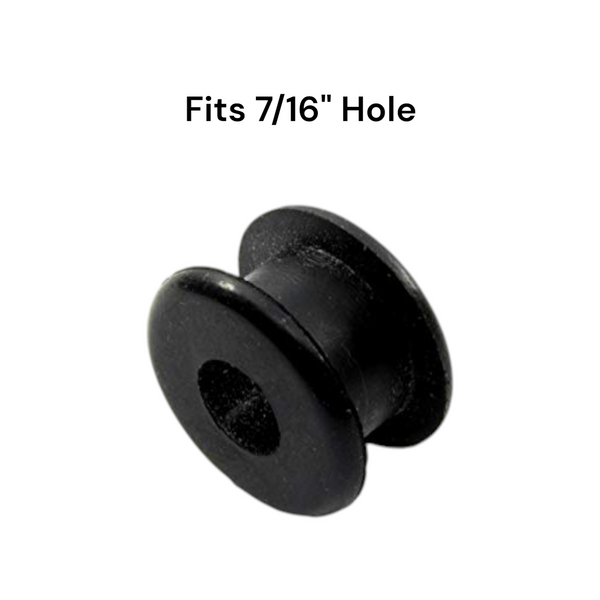
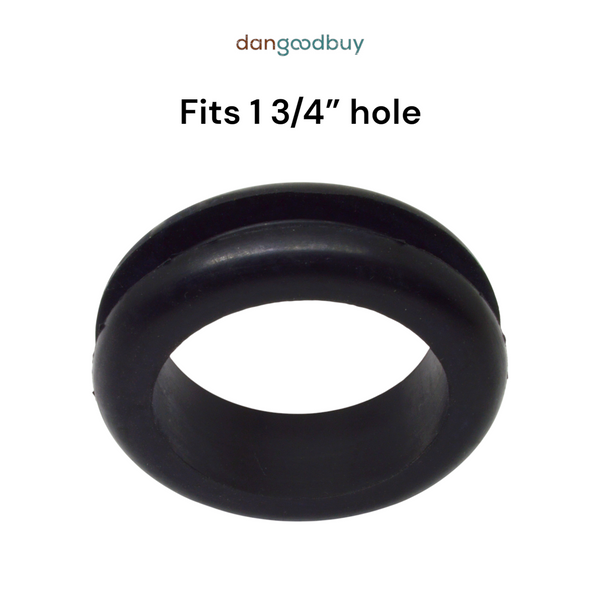
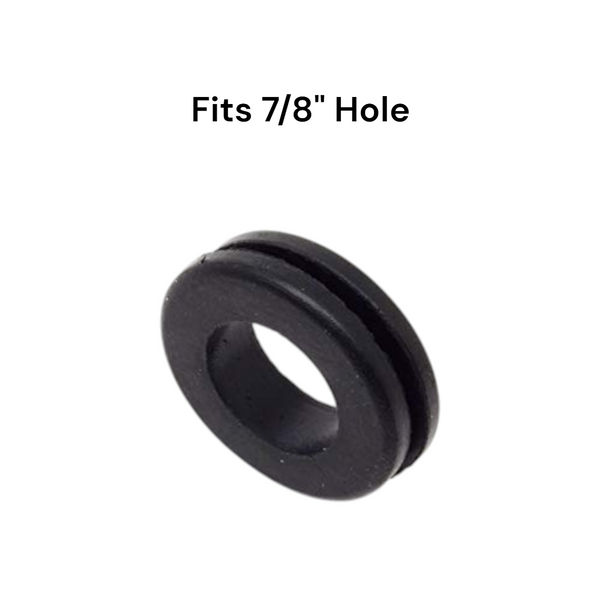

A panel cutout can look fine until the wire starts rubbing, the edge starts chafing, or the fit turns loose after a little vibration. That is usually when people start searching for the best rubber grommets for panels, but the real answer is not one universal part. It is the grommet that matches your hole size, panel thickness, and what is actually passing through the opening.
If you are shopping by appearance alone, it gets frustrating fast. Two grommets can look nearly identical in a photo and still fit very differently. For electrical boxes, automotive firewalls, metal enclosures, equipment housings, and DIY panel work, fitment matters more than brand hype or vague descriptions. A good grommet should protect the edge, stay seated in the panel, and hold up to the environment it is going into.
What makes the best rubber grommets for panels?
The best panel grommet is the one that solves three problems at once. It has to fit the panel opening correctly, grip the panel thickness securely, and give the right amount of clearance for the wire, tube, or pass-through item.
That sounds simple, but most sizing mistakes happen because people focus on only one measurement. They measure the hole and stop there. Hole size is critical, but panel thickness matters just as much because that is what determines whether the grommet will actually snap in and stay put.
Material also matters, but usually after fitment. Standard rubber grommets work well for many indoor and general-purpose jobs. If the panel sees vibration, weather, road grime, or heat, you want to think harder about durometer, flexibility, and long-term wear. A softer grommet may install more easily, while a firmer one may hold shape better under pressure. There is always a trade-off.
Start with measurements, not product names
When buyers say they want the best rubber grommets for panels, what they usually need is the fastest way to narrow the field. The cleanest way to do that is by measurements.
Hole size
This is the diameter of the panel opening. If the grommet is undersized, it will sit loose or fall out. If it is oversized, installation becomes a fight and you can distort the part trying to force it in. A proper match should seat firmly without excessive stretching.
Panel thickness
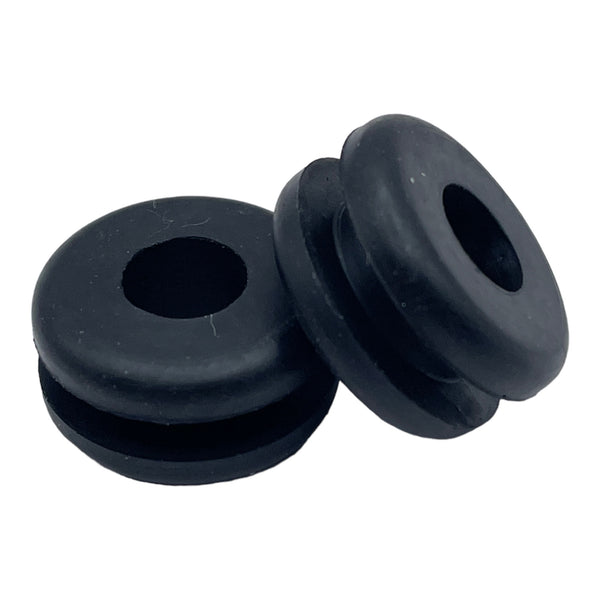
This is where many wrong orders happen. The groove in the grommet needs to match the panel thickness closely enough to lock around the edge. If the panel is too thin for the groove, the grommet can wobble. If the panel is too thick, the groove may not seat fully.
Inner diameter
The center opening has to work for whatever passes through it. For wire bundles, you want enough clearance to avoid pinching but not so much that everything shifts around. For tubing or cable protection, a snugger opening may be better. It depends on whether you need simple edge protection or a cleaner, more controlled pass-through.
Choosing panel grommets by application
A grommet that works great in a hobby enclosure may not last long in a truck cab or engine compartment. The application changes what “best” means.
Electrical and wiring panels
For control boxes, junction panels, and general wiring pass-throughs, the priority is usually edge protection and a stable fit. You want a grommet that protects insulation from sharp metal edges and stays seated when wires are pulled or moved during service. Here, accurate hole size and inner diameter matter most.
If you are feeding multiple wires through one opening, leave room for movement but do not oversize too much. Too much extra space can reduce support and make the installation look sloppy.
Automotive and equipment panels
In automotive use, vibration and environmental exposure raise the stakes. Firewall openings, body panels, and equipment housings need grommets that can handle movement without walking out of the panel. A slightly firmer fit is often better here, especially where wires or hoses move during operation.
Heat and fluid exposure can also affect material life. A part that works fine in an interior trim panel may not be the right choice near hotter or harsher areas. This is one of those cases where the cheapest option is not always the least expensive in practice.
DIY repairs and light fabrication
For home shops, custom boxes, trailer wiring, and light repair work, installation ease usually matters a lot. A flexible rubber grommet that seats without special tools can be the right call, even if the environment is not especially demanding. If your panel cutout is not perfect, a well-matched rubber grommet can also help clean up the finish and protect what passes through it.
Open grommet, blind grommet, or something else?
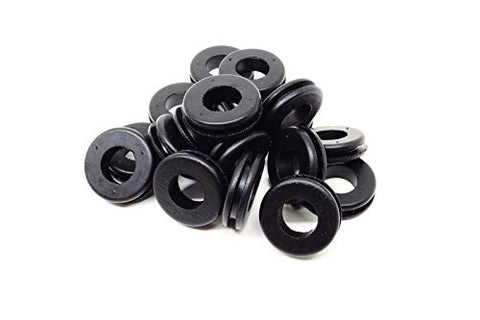
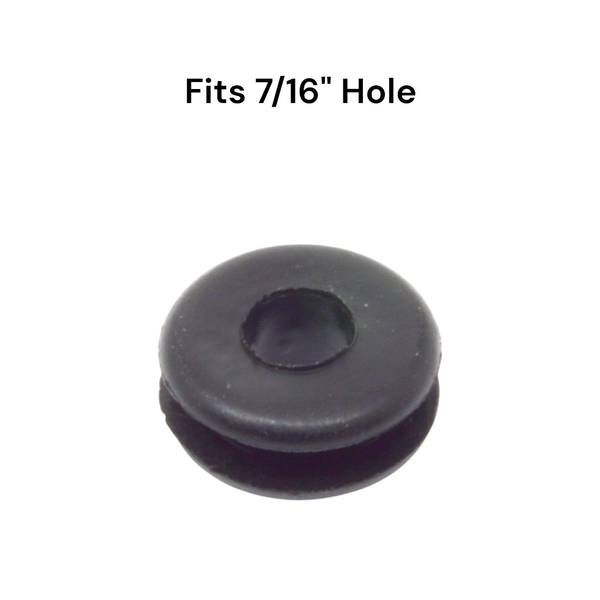
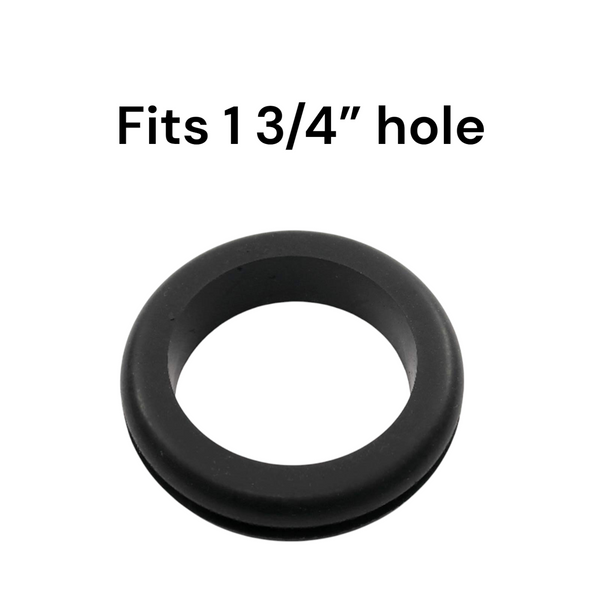
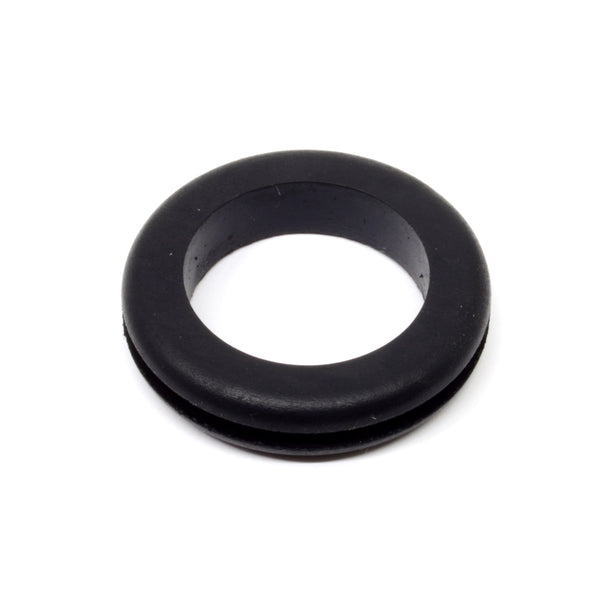
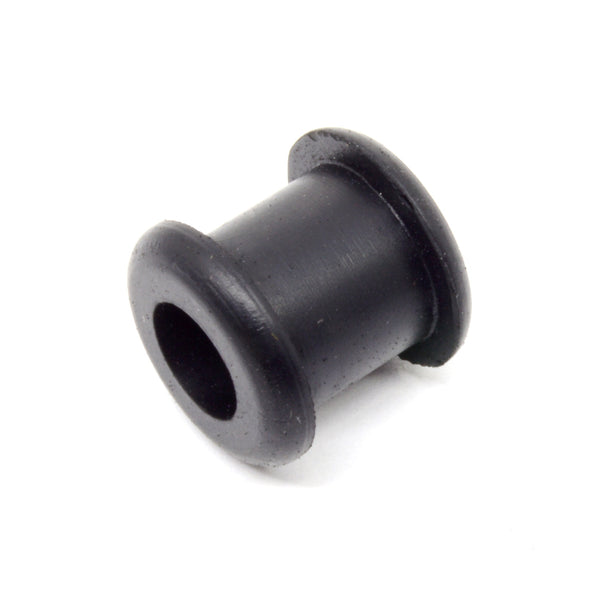
Not every panel opening needs the same type of part. Standard open rubber grommets are the go-to choice when you need to pass wire, cable, or tubing through a panel edge safely. They are simple, effective, and available in many measurement combinations.
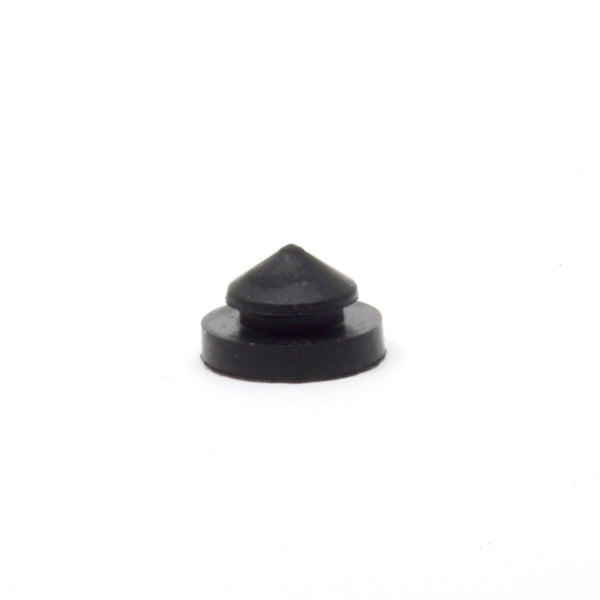
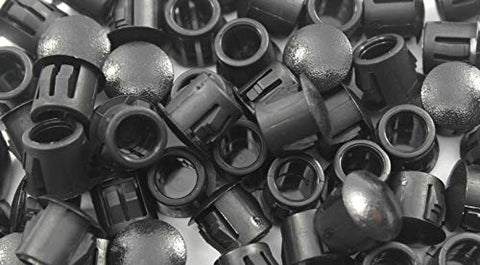
If the opening is unused and needs to be closed off, a plug may make more sense than a grommet. If the application needs a more secure hold in the panel, locking panel plugs or expandable styles can be better options. Buyers sometimes use “grommet” as a catch-all term, but the right part category still depends on whether you are protecting a pass-through or sealing an opening.
That distinction saves time. It also keeps you from buying an open grommet for a hole that really should be capped or locked shut.
Common mistakes when buying rubber grommets for panels
The biggest mistake is guessing from photos. Rubber parts can look almost identical online, especially in standard black finishes. Without measurements, there is too much room for error.
Another common issue is measuring the wrong point. Buyers sometimes measure the outer flange instead of the mounting groove, or they estimate panel thickness instead of checking it. On flexible parts, even a small measurement error can change the fit.
There is also the problem of overbuying. Traditional industrial sourcing often pushes buyers into larger quantities than they need, which is fine for production runs but annoying for repairs, prototypes, and small jobs. If you only need a few pieces, you should be able to buy a few pieces. If the project grows, bulk options should still be there.
How to tell if a grommet is actually a good fit
Once installed, a good panel grommet should sit evenly around the cutout without twisting or bulging. The groove should engage the panel edge cleanly, and the part should not pop free under light pull or normal movement.
The center opening should protect the wire or tube without cutting into it. If the pass-through item is visibly compressed, the inner diameter is likely too small. If it rattles around and shifts excessively, it may be too large.
A good fit also looks cleaner. That is not just cosmetic. A neat fit usually means better support, less wear at the edge, and fewer issues later.
Why measurement-based shopping works better
Buying small hardware parts should not feel harder than buying major components, yet that is often what happens with panel grommets. Too many catalogs rely on vague naming, tiny product photos, or broad categories that force you to guess.
Measurement-based shopping fixes that. When parts are organized by hole size, groove width, inner diameter, and panel thickness, you can move from problem to solution much faster. That is especially helpful for buyers who know what they need dimensionally but do not have a manufacturer part number.
It also helps newer buyers. You do not need to be an engineer to buy the right grommet if the dimensions are clear and the part names tell you what matters. That is a big reason why buyers come back to suppliers that make fitment easier instead of turning every small purchase into a catalog scavenger hunt.
For a lot of customers, that is the difference between getting a repair done today and losing half an afternoon trying to compare lookalike parts. dangoodbuy is built around that simpler way to shop.
A better way to choose the best rubber grommets for panels
If you want to get this right the first time, measure the panel hole, confirm the panel thickness, and check the clearance needed through the center. Then choose the grommet based on those numbers and the actual environment it will face.
There is no single best rubber grommet for every panel. There is the best one for your panel, your cutout, and your use case. Once you shop that way, the whole category gets a lot less frustrating - and the right part becomes much easier to spot.