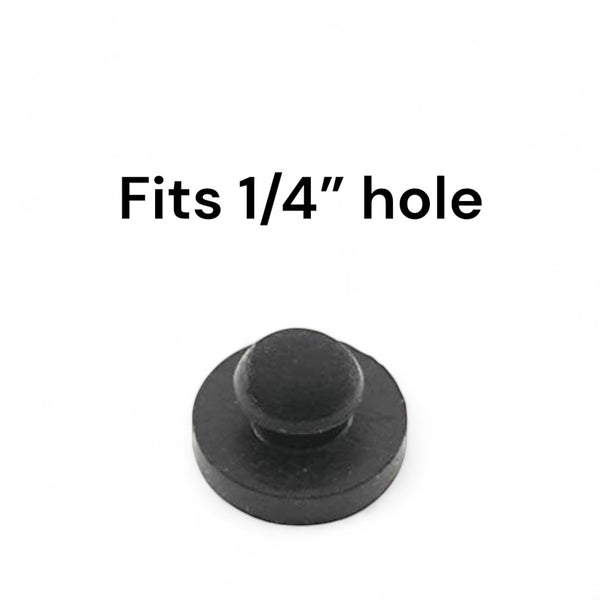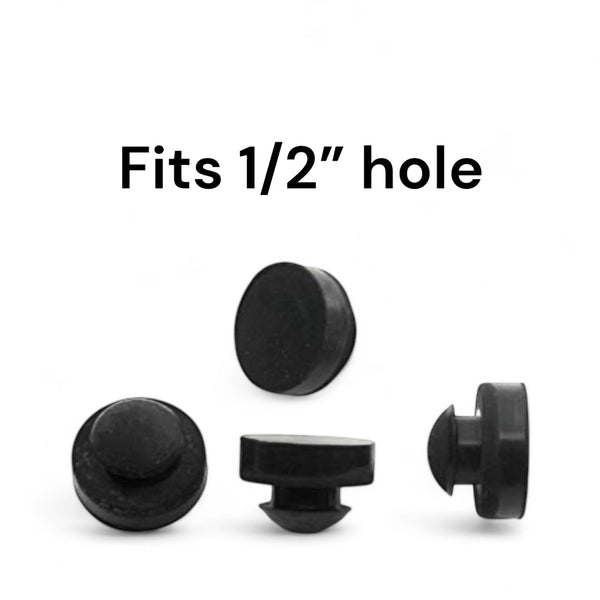


When you need one panel plug, eight rubber feet, or a handful of thumb screws, the usual industrial buying process feels built for someone else. If you are trying to buy industrial hardware small quantities, the real challenge is not just price. It is finding the exact part you need without sorting through oversized case packs, vague catalogs, or product pages that tell you almost nothing about fit.
That problem shows up everywhere. A homeowner replacing missing rubber bumpers on a cutting board does not want 500 pieces. An electrician routing wire through a metal box needs the right grommet for a specific hole size and panel thickness, not a close guess. A small repair shop may need ten nylon caps today and a few hundred next month. The quantity changes, but the requirement stays the same - the part has to fit.
Why small-quantity industrial buying is harder than it should be
A lot of industrial supply systems were built around procurement teams, recurring orders, and bulk purchasing. That makes sense for factories and high-volume production, but it creates friction for everybody else. If you only need a few pieces, you usually run into one of three problems.
First, the minimum order is too high. You find the right item, then realize the supplier only sells in bags, cartons, or case quantities that are far beyond your project. Second, the listing is too vague. The photo looks close, the name sounds familiar, but the dimensions that actually matter are missing. Third, the shopping flow assumes you already know the exact part number from a catalog, which is not realistic for many repair, maintenance, and DIY jobs.
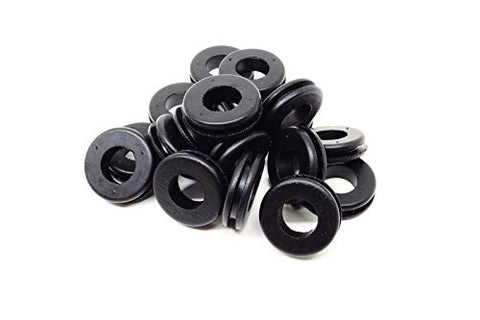
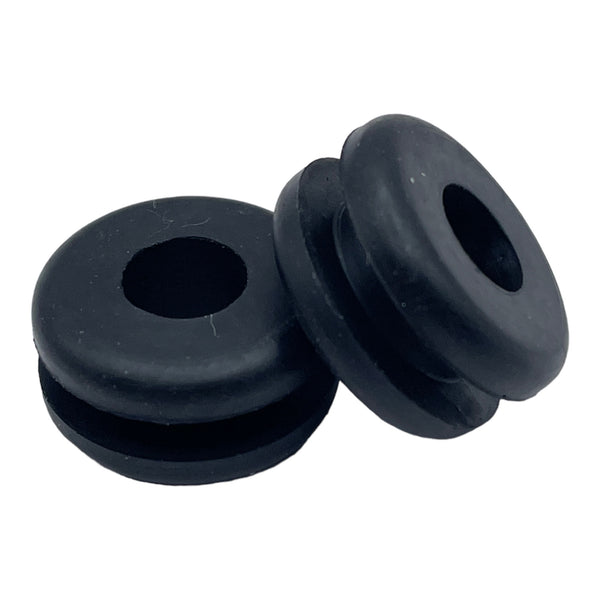
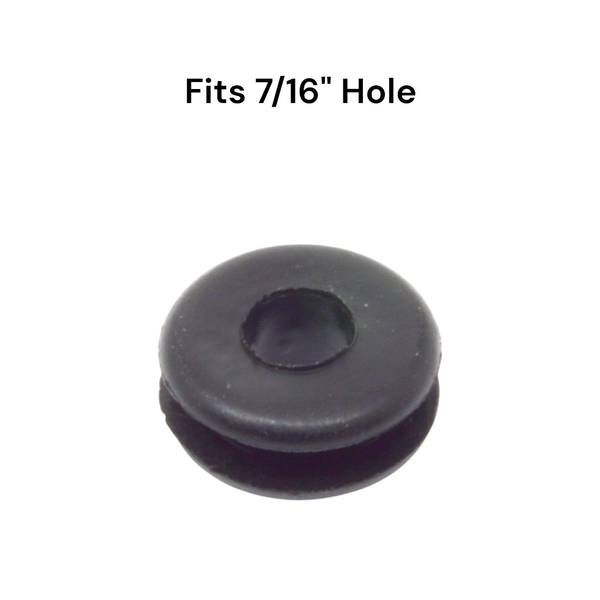
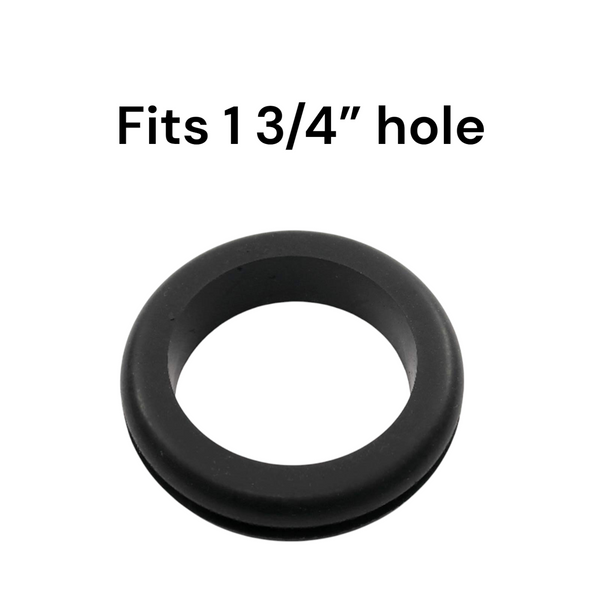
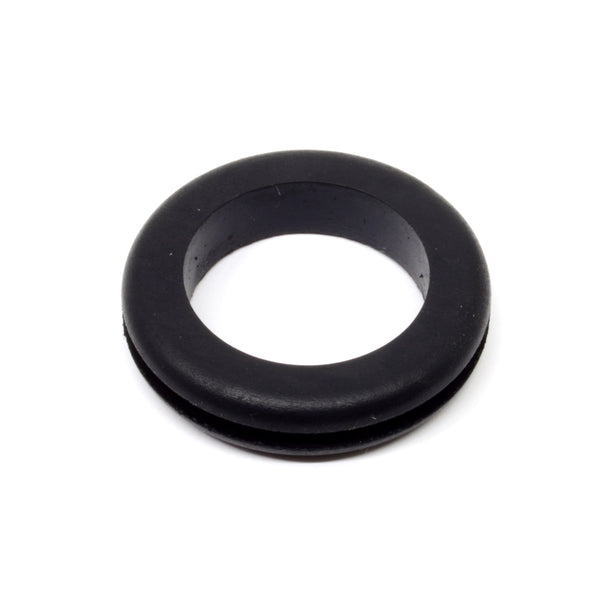
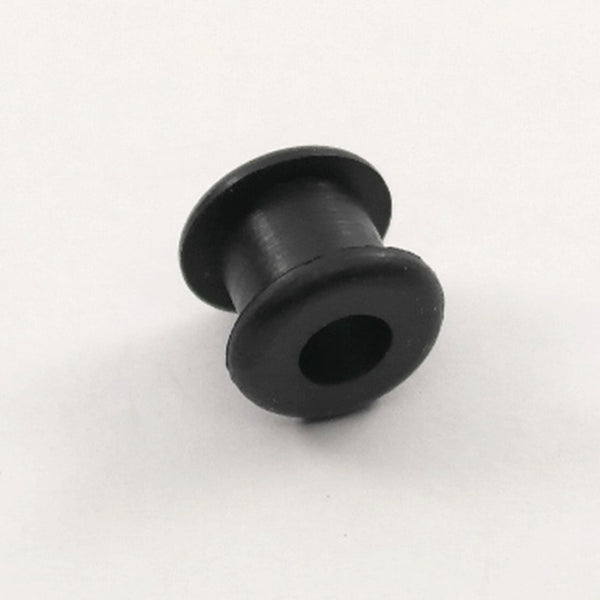
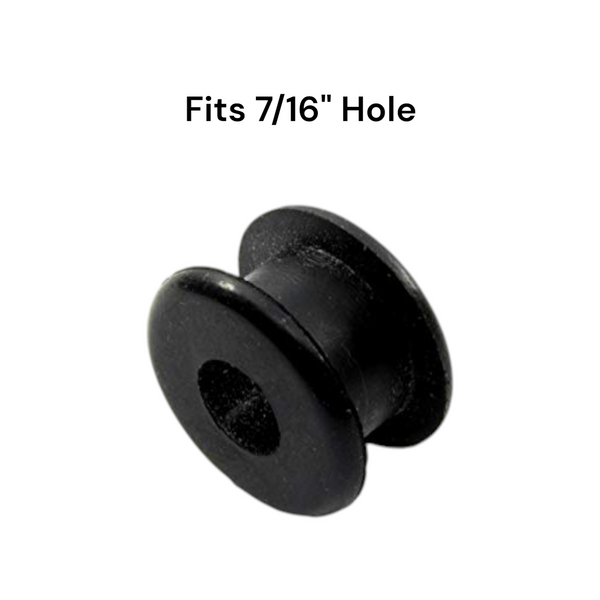
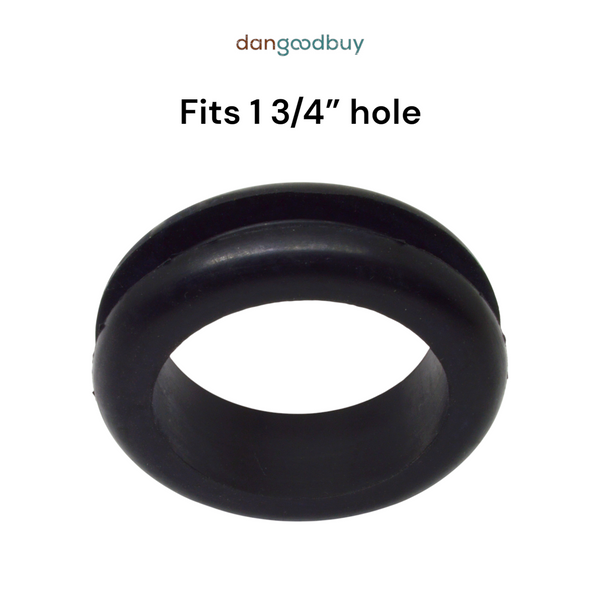
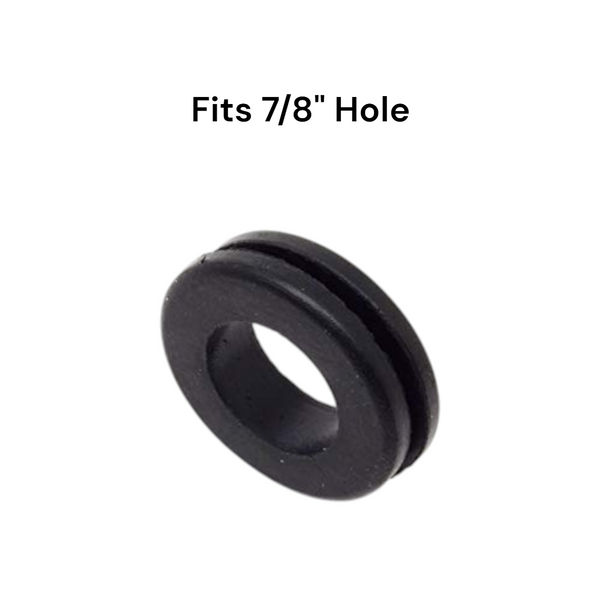
This is why measurement-based shopping matters so much in this category. For many industrial parts, appearance alone is not enough. Two rubber grommets can look nearly identical and still perform very differently because of groove width, inside diameter, outside diameter, or the panel hole they are made to fit.
How to buy industrial hardware small quantities without guessing
The simplest way to avoid buying the wrong part is to shop by measurement first and product name second. That sounds obvious, but many people still start with a visual match because that is what most online stores encourage. In industrial hardware, that approach often leads to returns, delays, or parts that almost fit but fail under use.
If you are buying grommets, plugs, caps, feet, or similar hardware, start with the dimension that controls fitment. For a rubber grommet, that is often the hole size and panel thickness. For a plug, it may be the inside diameter of the tube or the outer diameter of the opening. For rubber feet or bumpers, it may be base diameter, height, and mounting style. For thumb screws, thread size and length usually matter more than anything else.
Once you know those key dimensions, product selection gets much easier. You are no longer browsing a pile of similar-looking parts and hoping one will work. You are narrowing the field based on what the application actually requires.
That is also where small-quantity buying becomes more practical. If the store lets you shop by exact measurements and order only what you need, you can solve the immediate problem without tying up money in extra inventory.
The specs that matter before you place an order
Different categories have different failure points, so the right spec depends on the part. For electrical and panel applications, a rubber grommet needs to match the panel opening closely enough to stay seated and protect the wire or cable passing through it. If the groove is wrong or the panel is too thick, installation becomes frustrating fast.
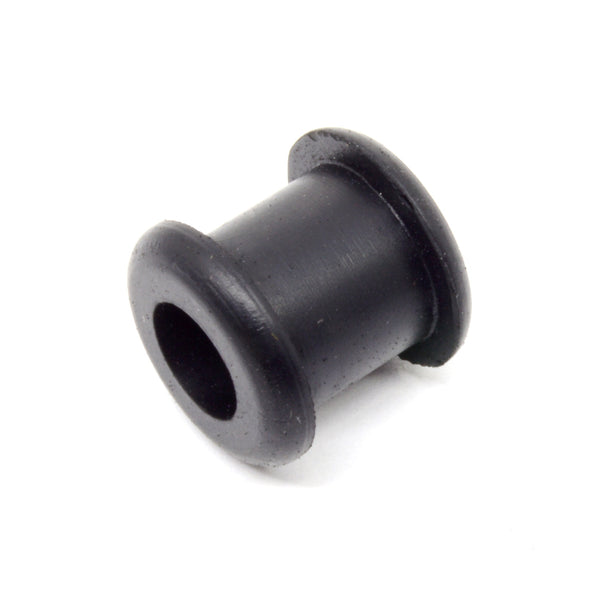
For locking panel plugs and expandable locking grommets, retention matters as much as size. These parts are often used where vibration, movement, or repeated handling could loosen a basic plug. In automotive and equipment applications, that extra holding power can be worth the added specificity during selection.
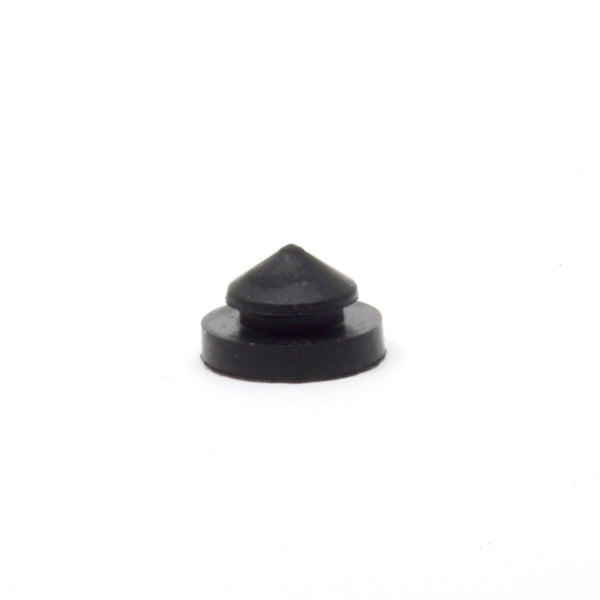
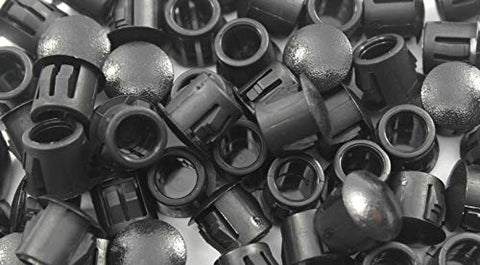
For rubber feet and tack bumpers, material and shape matter along with dimensions. A soft bumper may be ideal for cushioning, while a firmer foot may do a better job of supporting weight and resisting wear. For nylon caps, the main issue is usually covering and protecting the right outside diameter. For thumb screws, it is a combination of thread compatibility, grip style, and length.
There is no universal rule beyond this one: identify the dimension that determines fit, then confirm the secondary dimensions that affect performance.
When buying fewer parts actually saves money
At first glance, bulk pricing always looks like the better deal. Per piece, it usually is. But that does not mean bulk is the better buy.
If you only need six parts and the supplier requires you to purchase 250, the lower unit price is not really saving you money. You are paying for unused inventory, using storage space, and increasing the chance that the extras sit on a shelf until they are lost, damaged, or forgotten. For many small businesses and one-off repair jobs, that is not efficient purchasing. It is just overbuying.
Small-quantity ordering makes the most sense when the application is occasional, the fitment is specialized, or you are still testing the right part for the job. It can also be a smart move when you want to confirm fit before placing a larger follow-up order. That is common with maintenance teams, fabricators, and product builders who need to validate a component in the field before standardizing it.
The trade-off is straightforward. Buying small quantities may carry a slightly higher per-piece cost, but it often lowers total project waste. For many buyers, that is the number that matters.
However, dangoodbuy also offers bulk orders and often times, since shipping is included, our prices can beat some of the larger suppliers.
What to look for in a supplier
If you regularly buy small quantities of technical hardware, the supplier matters almost as much as the part. A good supplier does more than stock inventory. It reduces the chance of ordering mistakes.
The best product pages in this category are built around clear dimensions, plain naming, and application clues that help you match the part to the job. You should be able to tell quickly whether a grommet is sized by hole diameter, whether a plug is meant for panel use or tube insertion, and whether a bumper is adhesive-backed, push-in, or screw-mounted.
It also helps when a seller supports both low minimums and larger quantity ordering. That flexibility is useful because many buyers do not stay in one lane. A homeowner may only need four parts once. A repair shop may start with ten and reorder fifty. A manufacturer may begin with samples, then move to wholesale quantities once fitment is confirmed.
That is one reason stores like dangoodbuy work well for this kind of purchasing. The buying process is centered on dimensions and exact fit instead of forcing customers through the usual catalog hunt.
Common mistakes that lead to wrong orders
Most wrong-part orders happen for predictable reasons. The first is measuring the old part instead of the mounting point or opening. Worn parts can shrink, swell, tear, or deform, which makes them unreliable references. When possible, measure the hole, panel, shaft, tube, or thread that the new part must fit.
The second mistake is overlooking material and application conditions. A plug that fits the opening may still be wrong if the environment involves heat, vibration, outdoor exposure, or repeated movement. The part does not just need to fit on day one. It needs to keep doing its job.
The third is assuming all quantities should be bought the same way. If you are troubleshooting a fit issue, buy a small amount first. If you have already confirmed the exact part on a recurring job, larger quantities may make sense. The right purchasing strategy depends on certainty as much as volume.
Small quantity does not mean small standards
There is a strange gap in the hardware market where buyers needing a few pieces are sometimes treated like they do not have serious requirements. But many small-quantity orders are tied to real work - equipment repair, electrical protection, vehicle maintenance, fabrication, and product assembly. The order may be small, yet the tolerance for mistakes is not.
That is why exact measurements, clear specs, and flexible pack sizes matter so much. They let buyers get the same industrial-grade fit and function without being pushed into industrial-scale purchasing. For professionals, that means faster repairs and cleaner sourcing. For DIY buyers, it means less confusion and a better chance of getting the job done right the first time.
If you need to buy industrial hardware small quantities, do not start by asking where the cheapest piece price is. Start by asking whether the part is clearly specified, correctly measured, and available in a quantity that fits the job you are actually doing. That one shift usually saves more time than any discount ever will.
The best purchase is not the biggest box. It is the part that fits, arrives without drama, and lets you move on with the work.