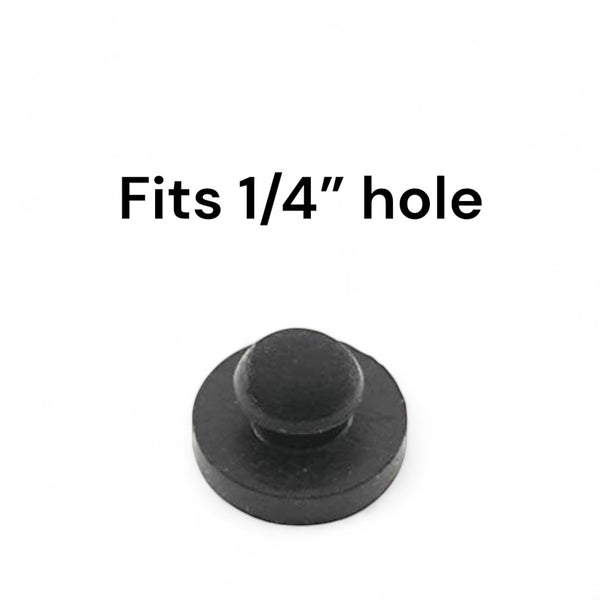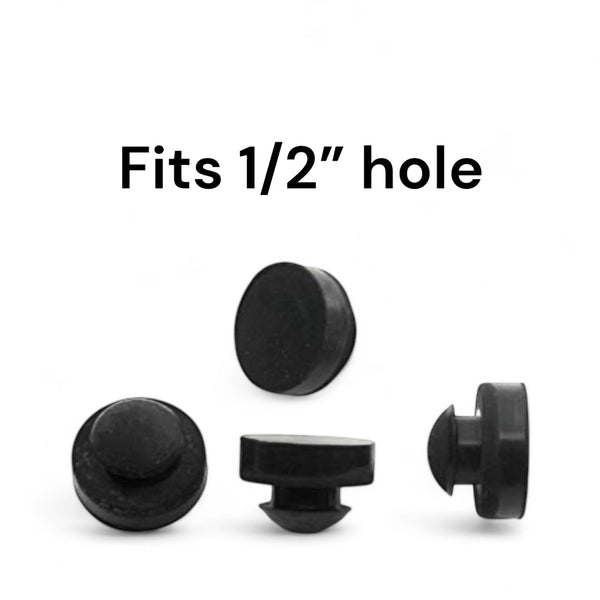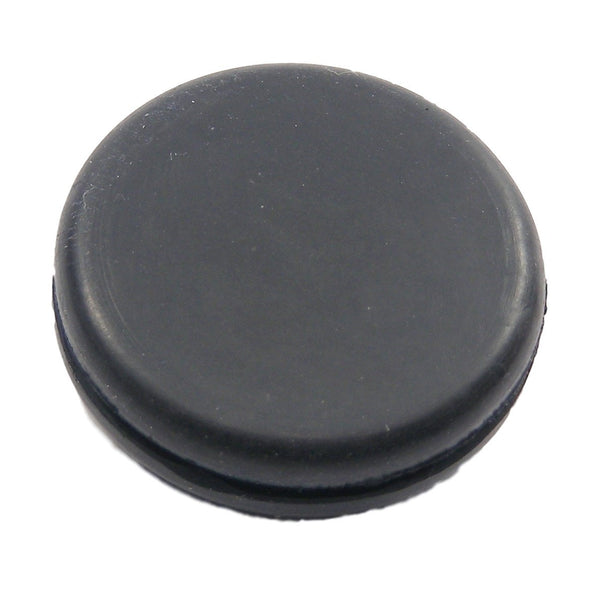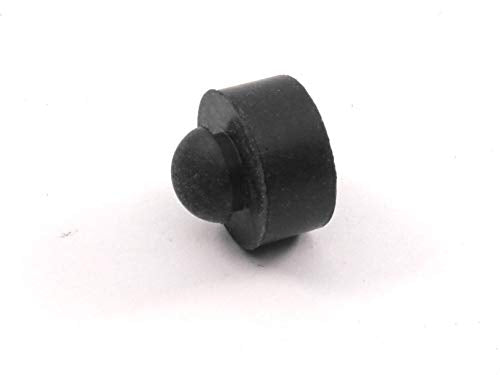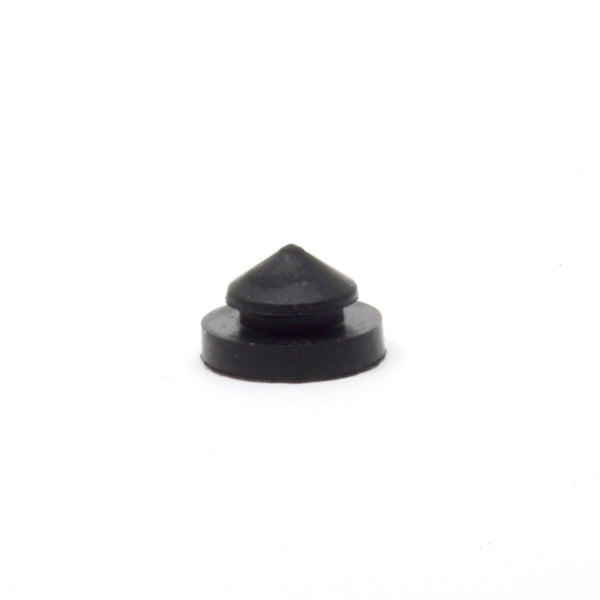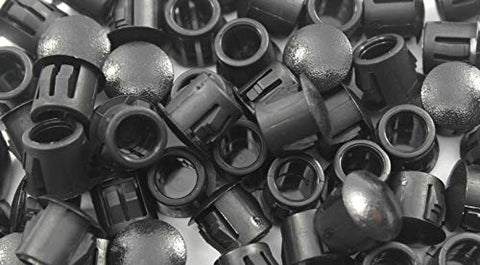
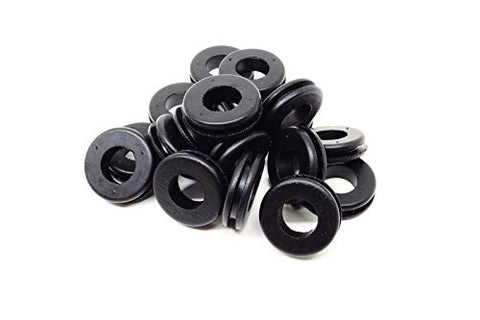

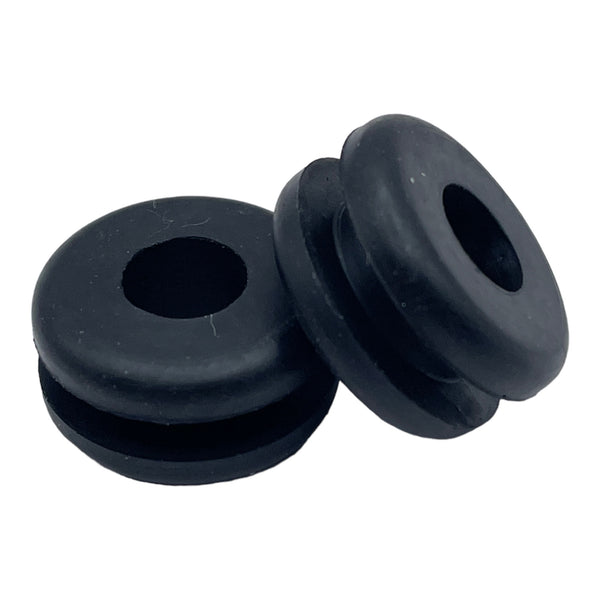
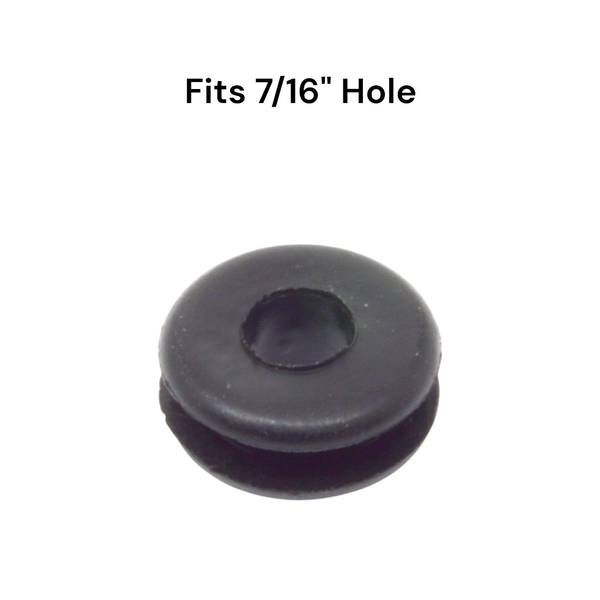
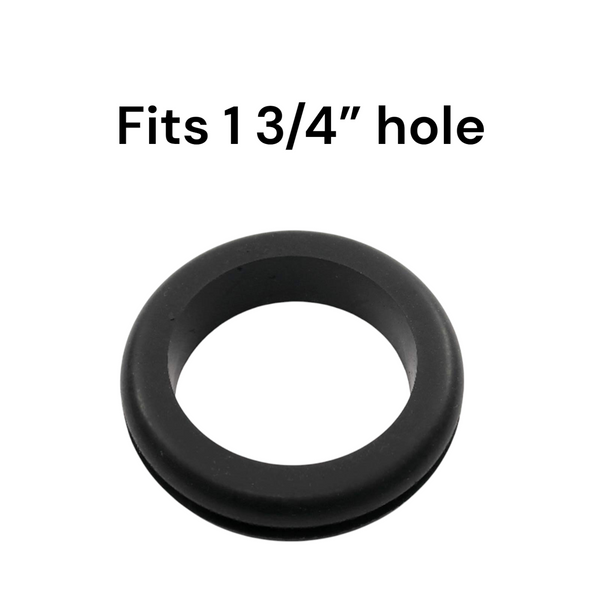
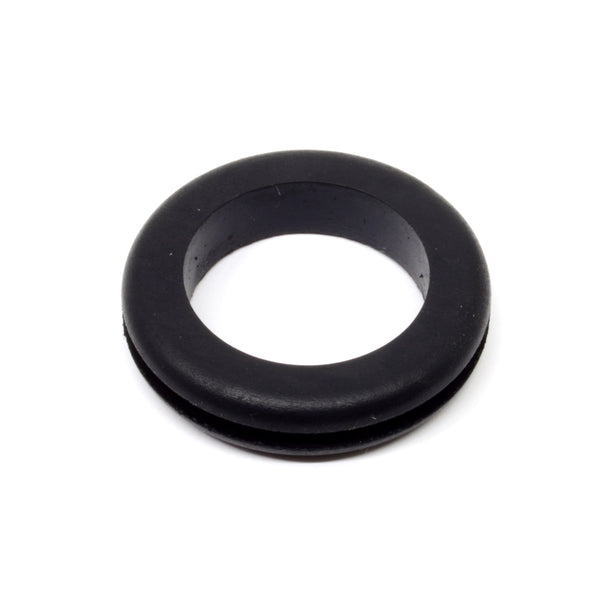
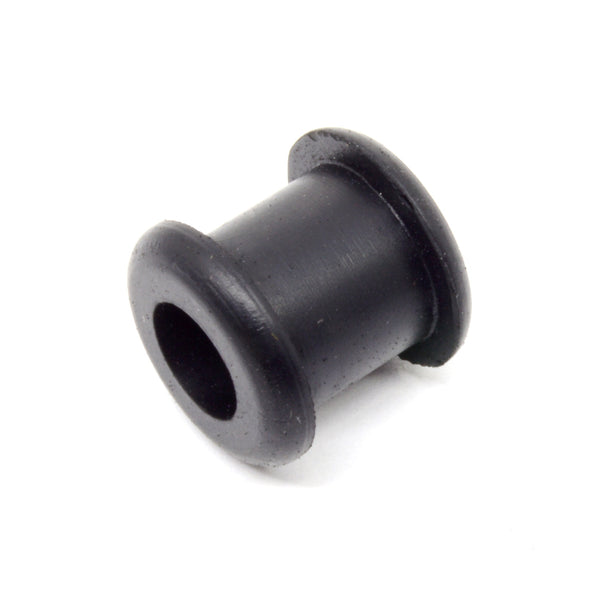
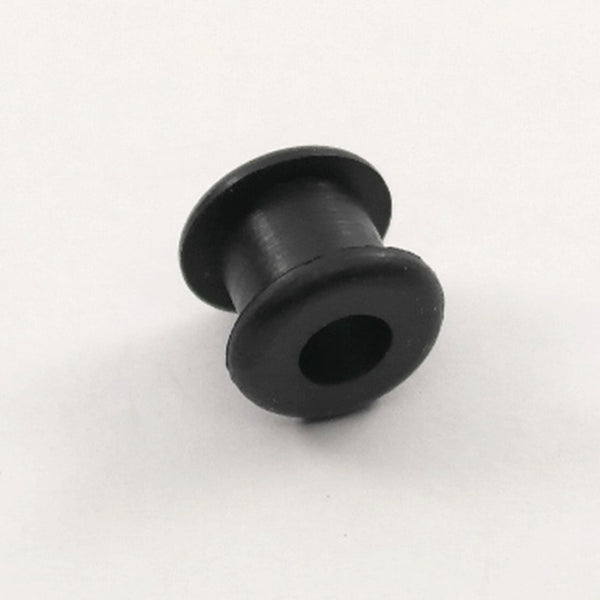
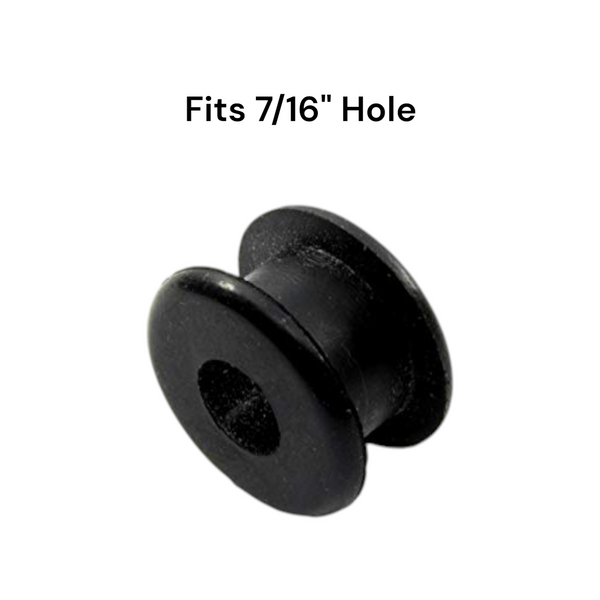
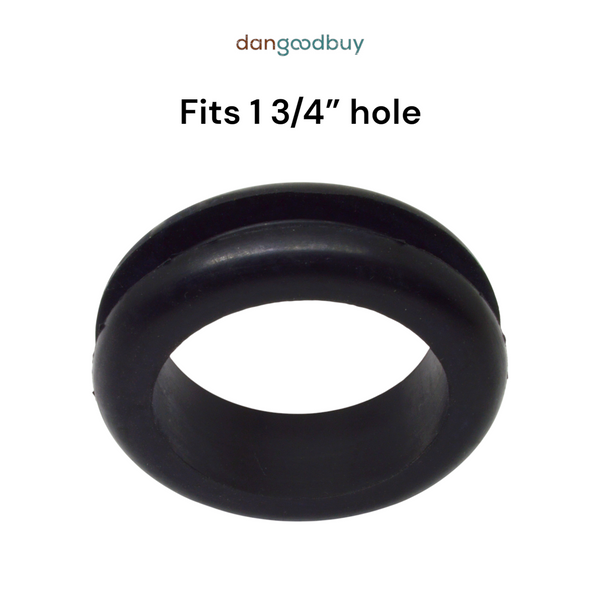
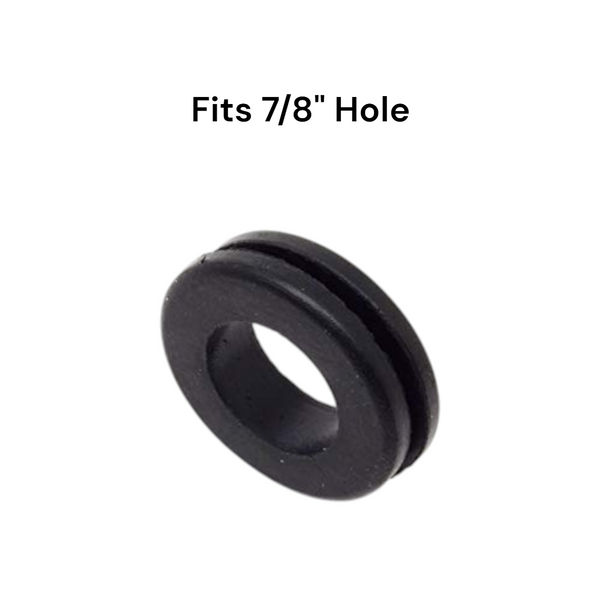

A locking panel plug review is only useful if it answers the question buyers actually have: will this part fit the hole, stay put, and hold up in real use? That matters whether you are closing an unused firewall opening, cleaning up an electrical panel, or finishing a fabricated enclosure where a loose plug is not good enough.
Most frustration with these parts starts before installation. Many plugs look similar in photos, but small differences in hole size range, panel thickness, head diameter, or material stiffness change everything. If you are buying by appearance instead of measurements, you are guessing. And with locking panel plugs, guessing usually means either a plug that will not seat or one that pops out when the panel flexes.
What this locking panel plug review is really judging
The best way to review a locking panel plug is not by treating it like a flashy product. It is a fitment part. Its job is simple, and that is exactly why the details matter so much.
A good locking panel plug should install with firm hand pressure, lock into the panel without excessive force, and sit cleanly once seated. It should also resist vibration, light impact, and routine temperature changes without shrinking, cracking, or backing out over time. For most buyers, appearance is secondary. Clean finish matters, but retention and accurate sizing matter more.
That means any honest review has to focus on four things: sizing accuracy, retention strength, material quality, and buying clarity. If one of those is off, the part becomes a hassle even if the price looks good.
Fit is the first pass or fail point
The most common reason a locking panel plug gets blamed is simple mis-sizing. The plug may be fine. The hole measurement was not.
For these parts, the stated hole size is the main number to trust, but it is not the only one. Panel thickness matters because the locking groove has to engage the panel properly. If the panel is too thin or too thick for the design, the plug may feel loose or refuse to snap in fully.
This is where better product selection makes a real difference. Buyers do not want to scroll through vague names and tiny photos trying to guess whether one plug is close enough. They want to shop by hole size, groove dimensions, and panel range. That approach cuts down on returns and wasted project time.
In practical use, a well-sized locking panel plug gives immediate feedback. You can feel the lip compress as it enters the opening, then the locking section catches and holds. If installation feels suspiciously easy, retention may be weak. If it takes excessive force, the hole or panel spec is probably wrong.
Material quality makes a bigger difference than many buyers expect
In a basic locking panel plug review, material can sound like a minor spec line. It is not. Material affects installation feel, weather resistance, long-term hold, and whether the part works in an electrical box versus an automotive body panel.
Flexible rubber-style plugs usually offer better conformity and can help with vibration resistance. They are often a better choice where there is slight variation in the hole edge or where the panel may move a little in service. Harder plastic or nylon-style versions can look cleaner and install crisply, but they may be less forgiving if the opening is rough or if tolerances are inconsistent.
Neither option is automatically better. It depends on the job. For a garage DIY repair, a more forgiving material may save time and frustration. For a clean production finish on a consistent panel, a firmer plug can be the right call.
Temperature and exposure also matter. A plug used indoors in an electrical cabinet does not face the same conditions as one installed under the hood or on outdoor equipment. If the application includes heat, cold, moisture, or UV exposure, material choice moves from nice-to-know to essential.
Retention is where cheap plugs usually show their weakness
A panel plug can look fine on day one and still be a poor buy. The real test is whether it stays put.
This is where lower-quality parts often disappoint. Some install easily because they do not have enough locking tension. Others have uneven molding that creates a weak hold on one side of the panel. In vibration-heavy settings like vehicles, compressors, shop equipment, or trailers, that weakness shows up fast.
A strong locking panel plug should stay seated once installed correctly. It should not rotate loosely, rattle, or work itself out under normal conditions. That does not mean it should be impossible to remove, but it should feel intentional, not temporary.
If you are plugging an opening in a panel that will be bumped, flexed, or exposed to repeated movement, retention should carry more weight in your buying decision than saving a few cents per unit. Replacing a failed plug later is almost always more annoying than paying slightly more for the right one the first time.
Appearance still matters, just not as much as fit
Buyers often use locking panel plugs in visible places, so appearance is worth mentioning in any locking panel plug review. A good plug should sit flush or near-flush based on its design, cover the opening cleanly, and avoid the sloppy look of oversized universal fillers.
That said, appearance depends partly on panel condition. A plug can only do so much if the hole edge is distorted, chipped, or inconsistent. If the opening was drilled roughly or enlarged by hand, even a good-quality plug may not look perfectly uniform.
On a clean panel with the right size match, the result should look deliberate. That is usually what people want - not a decorative finish, just a clean closeout that looks like it belongs there.
Value depends on how you buy
This category is full of hidden buying friction. One supplier has the part but only sells in industrial case quantities. Another has low prices but weak descriptions. Another gives you one blurry image and expects you to figure out the rest.
So value is not just unit price. It is also whether you can buy the quantity you actually need, whether the measurements are clearly stated, and whether you can compare options without opening a PDF catalog and cross-referencing part families for half an hour.
For many buyers, especially small shops, repair techs, and DIY users, the ability to buy one piece, a small pack, or a larger quantity matters a lot. Overbuying specialty hardware is wasteful. On the other hand, if you are stocking common sizes for repeat work, bulk pricing matters too. The best buying experience supports both.
That is one reason measurement-first shopping works so well for fitment parts. At dangoodbuy, that approach makes specialty items much easier to sort through than the usual hardware search mess. If you know your hole size and panel thickness, you are already most of the way there.
Who should use a locking panel plug
These parts make sense when you need a finished, secure way to close an unused panel opening without adhesives, tape, or improvised fillers. Common uses include electrical enclosures, automotive sheet metal, equipment housings, metal cabinets, trailer panels, and fabricated boxes.
They are especially useful when the opening might need to be reopened later, since a proper panel plug is cleaner and more serviceable than a permanent patch. They also help protect against dust, incidental contact, and general messiness around exposed holes.
They are less ideal if you need a watertight seal under pressure, heavy chemical resistance, or a rated environmental closure without confirming the exact spec. Some jobs call for a different part entirely. That is one of those cases where "close enough" can create more trouble than the original hole.
Final take on this locking panel plug review
If you judge locking panel plugs by what matters most - fit, retention, material, and buying clarity - the category is pretty straightforward. A good plug is not complicated. It just has to match the opening correctly and stay where you put it.
The catch is that the wrong one can waste far more time than its price suggests. That is why measurement-driven selection matters so much here. When the size range is clear and the material matches the job, locking panel plugs are one of the simplest ways to finish an opening cleanly and securely.
If you are shopping for one, start with the hole size, confirm panel thickness, and think honestly about the environment it will live in. That little bit of care upfront usually turns a frustrating search into a two-minute decision.