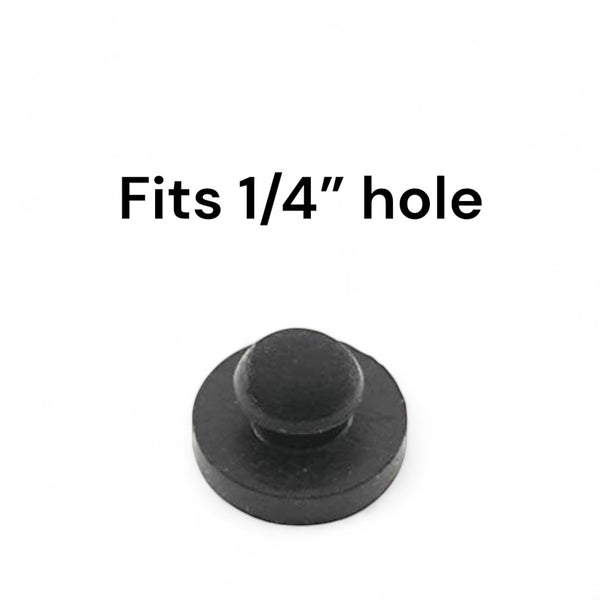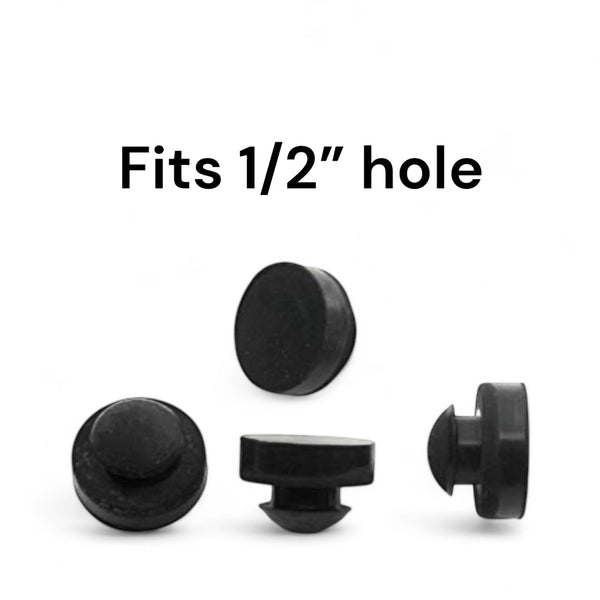

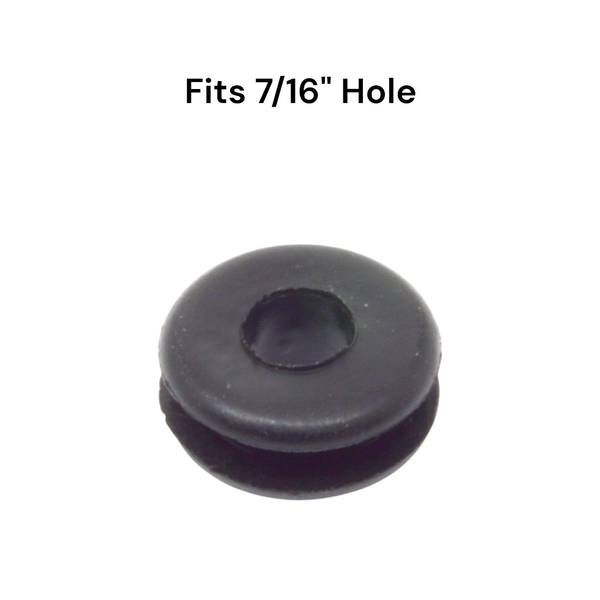
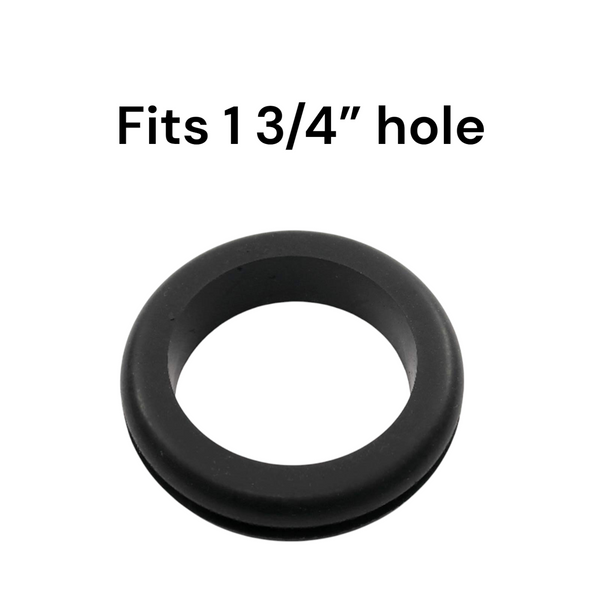
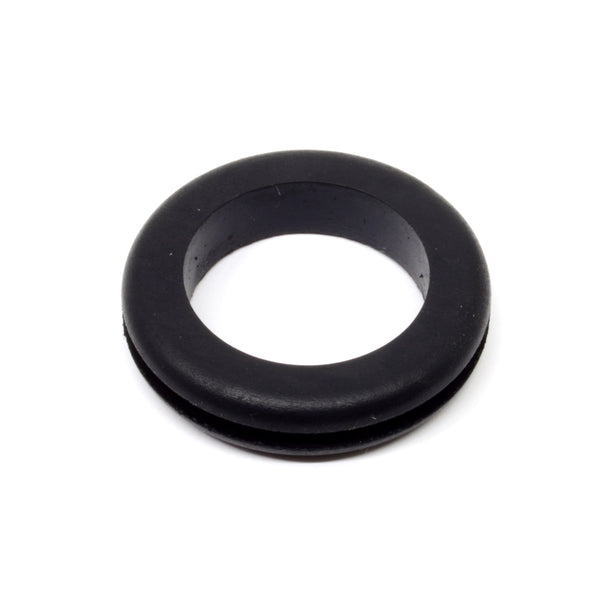
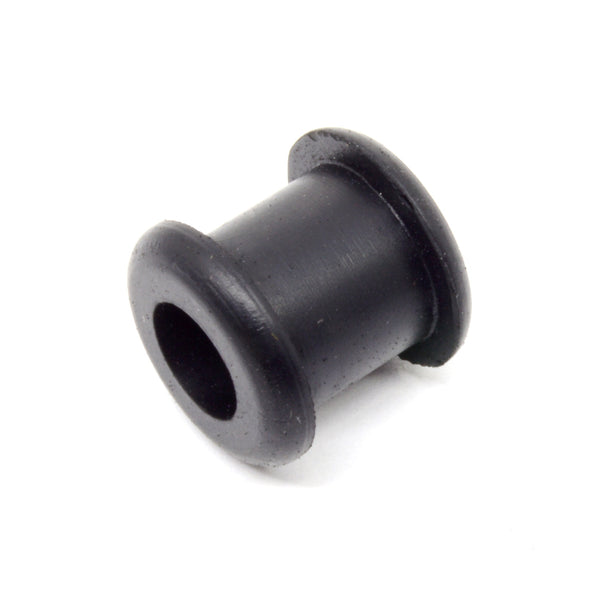
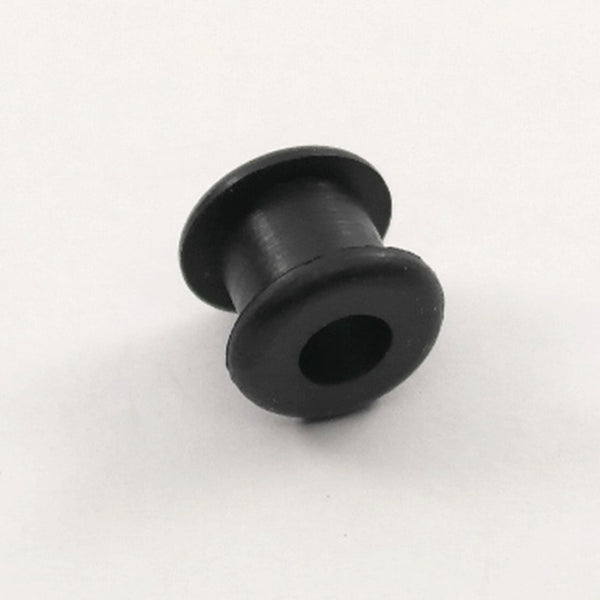
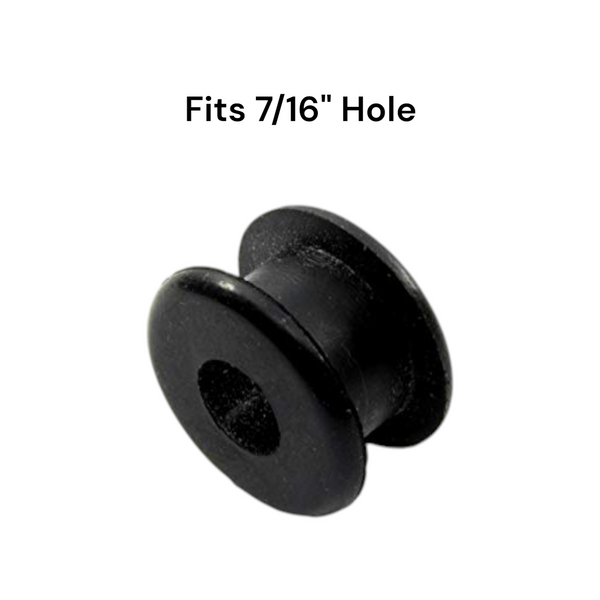
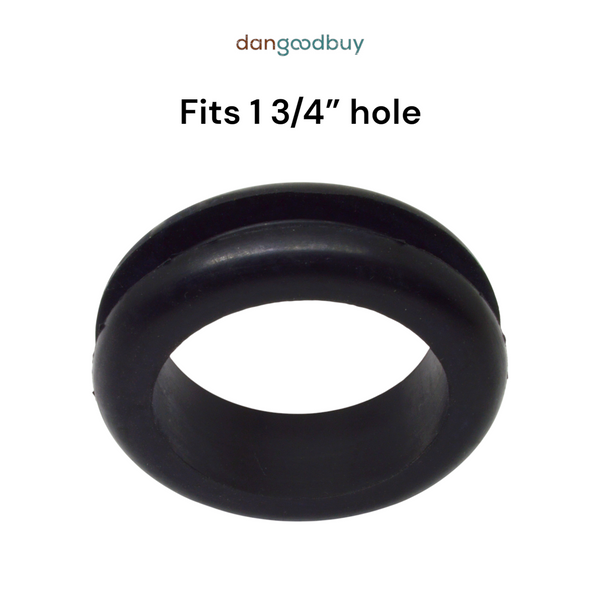
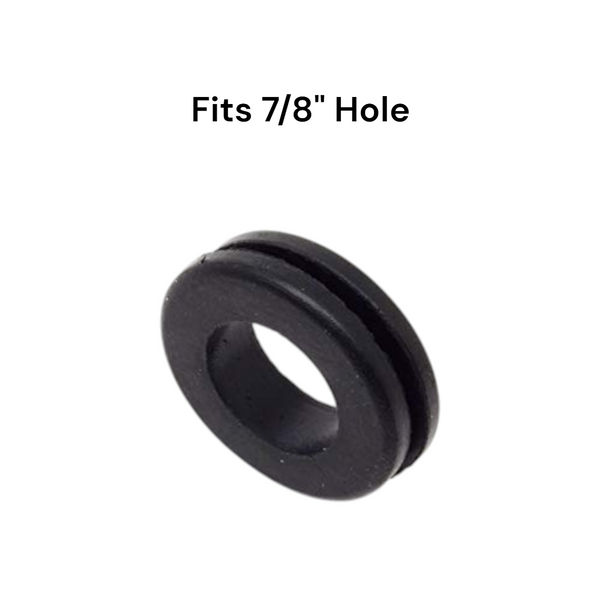

If a grommet looks right in the photo but will not seat in the panel, groove width is usually the reason. Groove width grommet selection matters because that dimension tells you whether the grommet can actually grip the panel thickness you have, instead of just dropping into the hole or fighting you during installation.
A lot of buyers start with hole size, and that makes sense. The hole has to match the outer fit of the grommet. But hole size alone does not finish the job. If the groove is too narrow for your panel, the grommet may not snap in fully. If the groove is too wide, it can feel loose, shift under vibration, or fail to protect the edge the way it should.
That is where many ordering mistakes happen. A panel hole can measure perfectly, but the part still ends up wrong because the groove width was ignored. For electrical pass-throughs, automotive sheet metal, equipment housings, and general repair work, that small measurement makes a big difference.
Why groove width matters more than many buyers expect
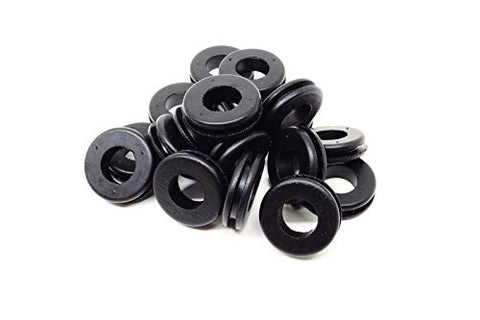
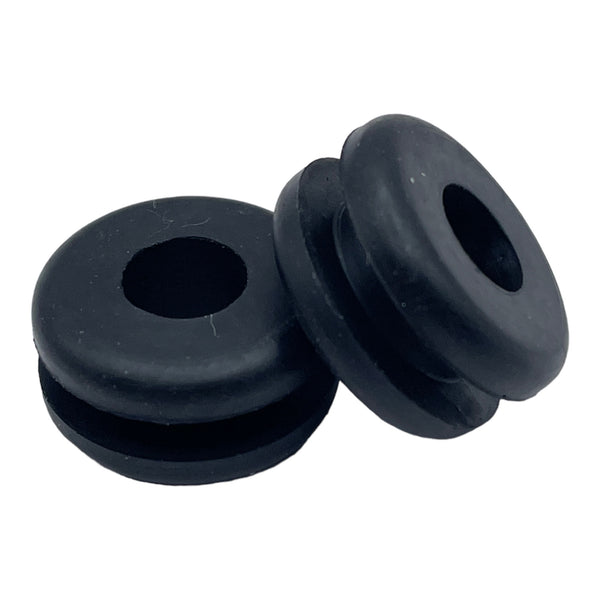
The groove is the channel around the outside of the grommet that captures the panel edge. Groove width is the size of that channel. In practical terms, it needs to match the thickness of the material the grommet is mounting into.
Think of it as a fit relationship between the grommet and the panel wall. The hole diameter tells you whether the grommet can enter the opening. The groove width tells you whether it can stay there correctly. When those two dimensions work together, installation is easier and the finished fit is cleaner.
This is especially important in real-world applications where panel thickness is not always nominal. A steel electrical box, an aluminum dash panel, a plastic enclosure, and a fabricated bracket may all have similar hole diameters but different wall thicknesses. That changes what groove width you need.
Groove width grommet selection starts with panel thickness
If you only remember one thing, make it this: match groove width to panel thickness first, then confirm the rest of the dimensions.
For most standard rubber grommets, the groove is designed to hold a specific panel thickness or a narrow range of thicknesses. Some rubber has enough flexibility to tolerate slight variation, but not unlimited variation. If your panel is close to the upper or lower edge of the fit range, installation may still work, but it can take more force or give a less secure fit.
That is why exact measurement helps. Use calipers if you have them. If not, a good ruler can get you close on thicker materials, but thin sheet metal and molded plastic are better measured with more precision. Even a difference of a few fractions can matter on smaller grommets.
When buyers get frustrated, it is often because they measure the hole and skip the panel thickness. Then they receive a part that technically matches one dimension but not the application.
What to measure before you buy
A good grommet fit usually comes down to four dimensions: hole size, groove width, inside diameter, and overall outside dimensions. Depending on the job, one may matter more than another, but groove width belongs near the top of the list.
Hole size is the diameter of the panel opening. Groove width corresponds to panel thickness. Inside diameter matters if you are routing wire, tubing, or a shaft through the center. Overall outside diameter can matter if space is tight or if the grommet sits near another component.
If the grommet is for edge protection around wires, also think about how tightly the wires should fit through the center. Too much clearance can allow rubbing and movement. Too little can make installation hard or put pressure on the cable jacket.
That is why measurement-driven shopping is easier than guessing from product pictures. A clear size listing saves time and avoids ordering three similar parts just to find the one that works.
Common groove width grommet selection mistakes
The most common mistake is assuming groove width and hole size are basically the same thing. They are not. One refers to the opening in the panel, and the other refers to the panel thickness that the grommet is meant to capture.
Another mistake is measuring a worn or painted edge without accounting for buildup or distortion. On older equipment, a hole can be slightly out of round, or the panel edge may have burrs, coatings, or deformation from prior hardware. In those cases, the nominal measurement may not tell the full story.
A third mistake is treating rubber flexibility as a cure-all. Rubber can accommodate small variation, but forcing the wrong grommet into the wrong panel usually creates problems later. You may get it installed, but it can twist, pop loose, or fail early under vibration or temperature changes.
There is also the issue of application load. A simple pass-through in a light-duty cover panel is not the same as a grommet in an automotive firewall area or a machine panel that sees regular vibration. In higher-stress conditions, fit accuracy matters even more.
When a slightly flexible fit is okay, and when it is not
There are cases where you do not need a perfect laboratory match. For a light-duty DIY project, a panel that is very close to the groove width specification may work just fine, especially if the hole is clean and the grommet material is forgiving.
But if the grommet protects wiring in a moving vehicle, electrical enclosure, shop equipment panel, or repeated-use access point, close enough can become expensive. A loose fit may let the grommet shift. A tight mismatch may damage the rubber during install or leave the edge partially exposed.
So yes, there is some tolerance in the real world. But the more demanding the application, the less you want to rely on that tolerance.
Material and application still matter
Groove width is critical, but it is not the only factor. Rubber composition and environment matter too. Heat, oil exposure, UV, vibration, and repeated movement can all affect long-term performance.
For example, a grommet used for basic edge protection in an indoor enclosure has a different job than one used in an engine bay or on outdoor equipment. Even if both need the same groove width, the right part may not be identical.
That is why experienced buyers tend to shop by dimensions first and application second. Get the fit right, then make sure the material and style match the environment.
How to make buying easier
The easiest way to shop is to start with the panel thickness and hole size you already know. From there, narrow to grommets that clearly list groove width instead of relying on vague labels like small, standard, or universal.
This is where a measurement-based storefront helps. Instead of scrolling through lookalike parts, you can compare the exact dimensions that control fitment. That is a much better process for electricians, automotive DIYers, maintenance teams, and repair shops that need the right part without wasting time.
At dangoodbuy, that is the whole point of the shopping experience. You should be able to find a part by the dimensions that actually matter, whether you need one piece for a repair or a larger quantity for repeat jobs.
A simple way to sanity-check your selection
Before placing an order, check the part against the application one more time. Confirm the hole diameter, confirm the panel thickness against the groove width, and confirm the inside opening for whatever passes through the grommet. If the panel is irregular, measure in more than one spot.
If you are between sizes, do not assume the tighter option is always better. Sometimes a grommet designed for the actual panel thickness will install easier and hold more securely than one you have to force. On the other hand, if the panel thickness varies slightly because of finish or manufacturing tolerance, a part with a bit of forgiveness may be the smarter choice.
That is the trade-off. Precision matters, but so does the reality of the material you are installing into.
A good grommet should feel like it belongs there. It should seat cleanly, protect the edge, and stay put without drama. If you start your groove width grommet selection with the panel thickness instead of guessing from appearance, you are much more likely to get that result on the first order. And when a small part saves you from rework, returns, and project delays, that is a pretty good buy.