

If a wire feels loose in the center of a grommet or gets pinched when you pull it through, the problem usually starts with one measurement. This inner diameter grommet guide is here to make that part easier. The inner diameter tells you how much space you actually have for a wire, cord, tube, or bundle once the grommet is installed, and getting it wrong can turn a simple fit into an annoying re-order.
What inner diameter means on a grommet
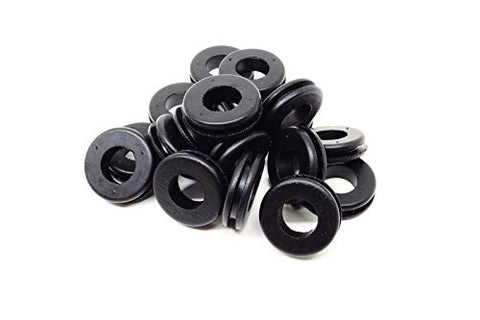
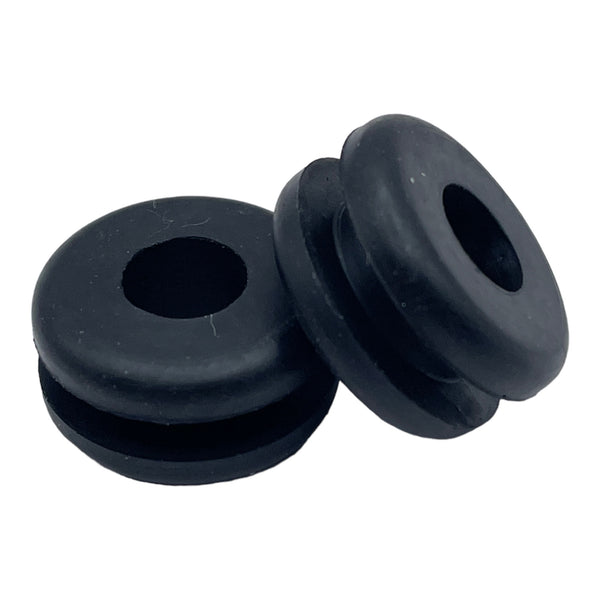
The inner diameter is the opening in the middle of the grommet. It is the space your item passes through after the grommet is seated in the panel hole. People often confuse this with hole size, but those are two different measurements.
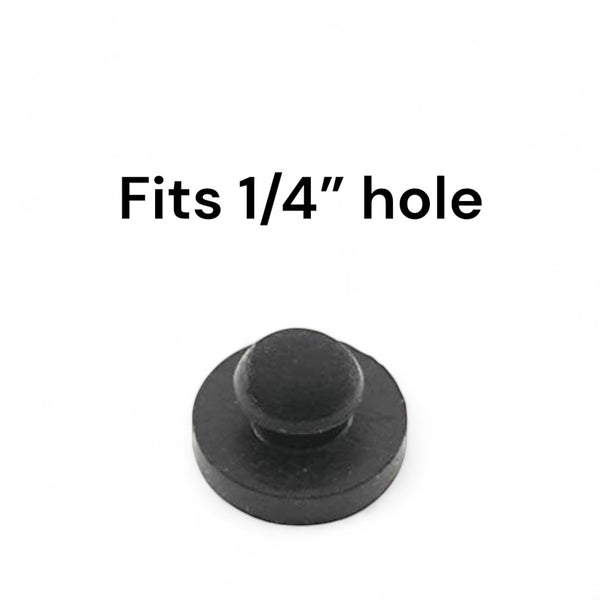
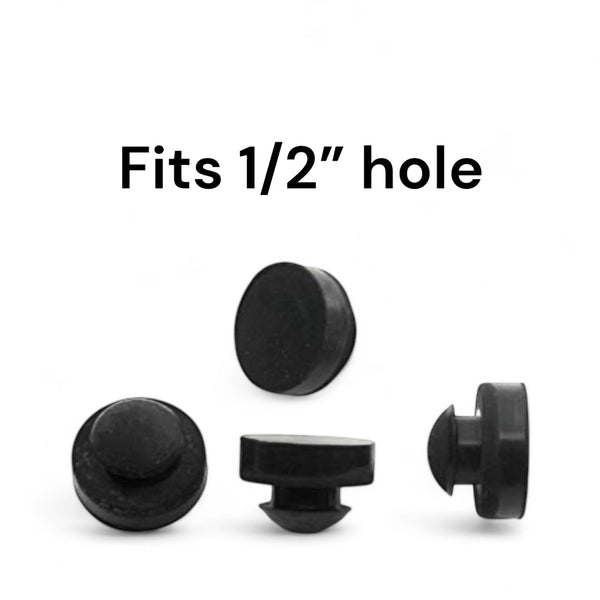
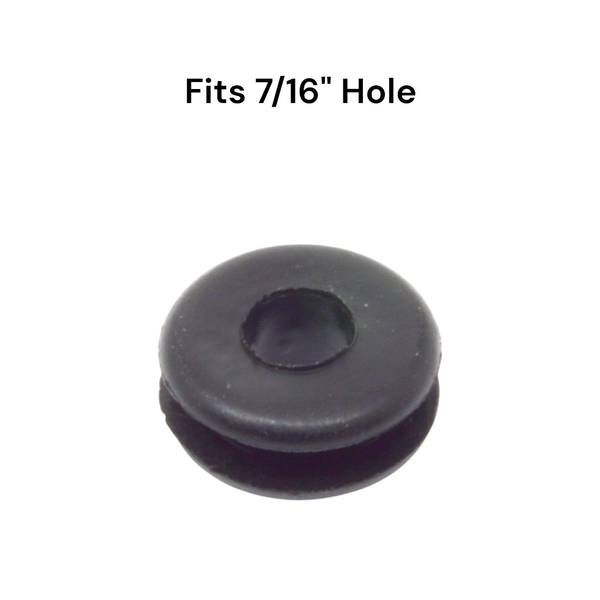
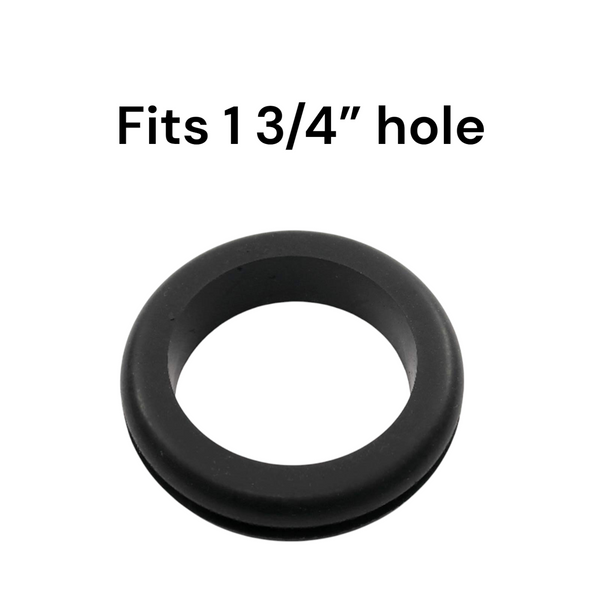
Hole size refers to the panel opening the grommet snaps into. Inner diameter refers to the usable opening inside the grommet. A grommet might fit a 1 inch panel hole while still having a much smaller center opening for the wire or tube. If you shop by the wrong dimension, you can easily end up with a part that fits the panel but not the application.
Inner diameter grommet guide: start with the item passing through
The fastest way to choose the right grommet is to measure the thing going through it first. That might be a single wire, a heavy cable, a hose, a tube, or a small bundle. Use the outside diameter of that item, not a rough guess based on the label or wire gauge alone.
If you are working with a single round cable, this is straightforward. Measure the cable outer diameter with calipers if possible. If you are dealing with a wire bundle, things get less exact. A wrapped harness may flex or flatten, so the right inner diameter depends on how tightly the bundle is grouped and whether you want a snug fit or easy pass-through.
A snug center opening helps reduce movement and gives better edge protection around the cable. A larger center opening makes installation easier, especially if the connector on the end is already attached. Neither is automatically better. It depends on whether your priority is protection, retention, or convenience.
When to choose a snug fit
A tighter inner diameter makes sense when you want the grommet to support the cable and reduce rubbing. This is common in automotive, electrical, and equipment panel applications where vibration matters. If the opening is too large, the cable can shift around and still contact the panel edge over time.
That said, rubber has some give. In many cases, a cable slightly larger than the listed inner diameter can still work, especially if the material is flexible. You do not want to force it so hard that the grommet distorts or the cable jacket gets damaged, but a little stretch is normal with rubber parts.
When to leave extra room
A looser inner diameter is often the better call when you need to pass a connector through, route multiple small wires, or allow for easier service later. Maintenance teams usually appreciate a part that does not require a fight every time something gets removed or replaced.
Extra room also helps if your wire bundle may grow later. If you are adding one more conductor next month, sizing the center opening too tightly now can create unnecessary work later.
The three measurements that matter most
Most grommet selection problems come from focusing on only one dimension. In practice, you need to match three measurements together: inner diameter, hole size, and panel thickness.
Hole size determines whether the grommet will seat properly in the panel. Panel thickness affects whether the groove grips correctly. Inner diameter affects what can pass through the center. If one of those is off, the part may technically fit somewhere but still not work well.
This is why measurement-driven shopping is so useful for hardware like this. Looking at photos is rarely enough. Two grommets can appear almost identical but fit completely different hole diameters and panel thickness ranges.
Hole size vs. inner diameter
This is the mistake people make most often. They measure the panel hole, find a grommet with the same number in the title, and assume they are done. Then the wire does not fit through the center.
Think of the hole size as the outer job and the inner diameter as the functional opening. You need both to match the project. A correct panel fit with the wrong center opening is still the wrong part.
Panel thickness still matters
Even if the hole size and inner diameter look right, the panel thickness can decide whether the grommet actually stays in place. A groove designed for a thin sheet may not seat correctly in a thicker panel, and vice versa.
If the panel is near the edge of the listed range, pay attention to how firm you want the fit to be. Some applications can tolerate a little flexibility. Others, especially where vibration or repeated movement is involved, benefit from a more exact match.
How to measure for the right grommet
Use calipers if you have them. They are the easiest way to get reliable numbers for cable diameter, panel hole diameter, and panel thickness. If you do not have calipers, a ruler can work in a pinch, but you lose precision fast on smaller parts.
Measure the outside diameter of the wire, cable, or tube at its widest point. Measure the panel hole after any burrs or deformation are cleaned up. Then measure the panel thickness where the grommet groove will sit. If the hole is rough or out of round, fix that first. A bad hole can make a good grommet look like the wrong size.
If you are replacing an old grommet, do not rely only on how stretched or worn the old part looks. Rubber ages, compresses, and changes shape. It is better to measure the actual panel and the actual cable than to copy the old part by eye.
Common applications and what to watch for
In electrical boxes and equipment panels, the main goal is usually protecting insulation from sharp edges. A center opening that is slightly snug often works well here, especially for single cables or fixed runs.
In automotive use, vibration changes the equation. Wires and hoses move more than people expect, so a grommet with a supportive center opening can help reduce wear. But if you are routing through a firewall or body panel with an existing connector, installation clearance may matter more.
In DIY projects, the issue is often mixed measurements. A customer may know the drill bit size used for the panel hole but not the exact outer diameter of the cord. That is where checking all three measurements saves time. The right part is not just about what hole was drilled. It is about what has to pass through and stay protected.
Material and fit are connected
Rubber grommets are forgiving, but not infinitely forgiving. Softer rubber can stretch around a cable more easily, while firmer material may hold shape better under load. If the application involves heat, chemicals, outdoor exposure, or constant movement, material choice can affect how well that inner diameter performs over time.
A center opening that feels perfect on day one may become loose if the material softens in service. On the other hand, a very tight fit in a stiff material can make installation frustrating. This is one of those areas where exact dimensions matter, but so does real-world use.
A simple way to avoid ordering the wrong size
Start with the cable or tube diameter, then confirm the panel hole, then verify panel thickness. That order keeps you focused on the actual job the grommet needs to do instead of just the panel opening. If your application is between sizes, think about whether you need a tighter protective fit or easier routing.
For buyers who are tired of vague listings and industrial catalogs that assume you already know every spec, this is exactly why stores like dangoodbuy organize parts around measurements first. It takes a category that is usually trial and error and makes it much easier to narrow down the right fit before you buy.
When exact fit matters most
If the cable carries motion, vibration, or repeated handling, do not guess. If the panel edge is sharp, do not guess. If you are buying for production, repair work, or customer equipment, definitely do not guess. A grommet is a small part, but a poor fit can lead to abrasion, noise, rework, and unnecessary downtime.
The good news is that grommet sizing is not complicated once you separate the measurements. Inner diameter is about what passes through. Hole size is about what snaps in. Panel thickness is about what stays put. Get those three working together, and the part selection process gets a lot less frustrating.
A few careful measurements now are usually cheaper than buying the same small part twice.