

A chair that scoots every time you sit down gets old fast. So does a table that chatters on tile, a bench that leaves marks on hardwood, or a cabinet leg that never quite sits flat. This rubber feet for furniture review is built for buyers who want a simple answer to a not-so-simple question: which type actually works, and which ones wear out, peel off, or solve the wrong problem?
The short answer is that rubber furniture feet can work extremely well, but only when the style matches the leg design, the floor surface, and the amount of weight or movement involved. A lot of bad reviews come from mismatch, not necessarily from a bad part. If you put a light-duty adhesive pad under a heavy dining chair that gets dragged across textured tile every day, the result is predictable.
Rubber feet for furniture review: what matters most
Most people shop by shape first. Round, square, threaded, push-in, stick-on. That makes sense, but performance usually comes down to four things: material firmness, attachment method, contact area, and fit.
A softer rubber foot usually gives better grip and vibration control, but it may compress faster under load. A firmer foot tends to hold shape better and can last longer on heavy pieces, though it may not grip slick floors quite as well. Neither is automatically better. It depends on whether your biggest problem is sliding, wobble, noise, or floor protection.
Attachment method matters just as much. Screw-on and threaded feet usually beat adhesive styles for durability, especially on chairs, stools, and anything that gets moved often. Adhesive-backed rubber feet are fine for lighter-duty use, cabinet bases, decor pieces, electronics, or furniture that mostly stays put. They are less impressive when exposed to dust, floor cleaner residue, heat, or repeated side-load movement.
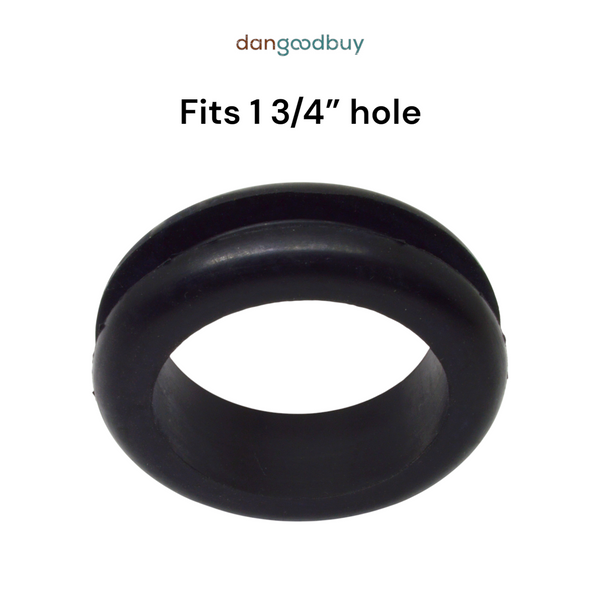
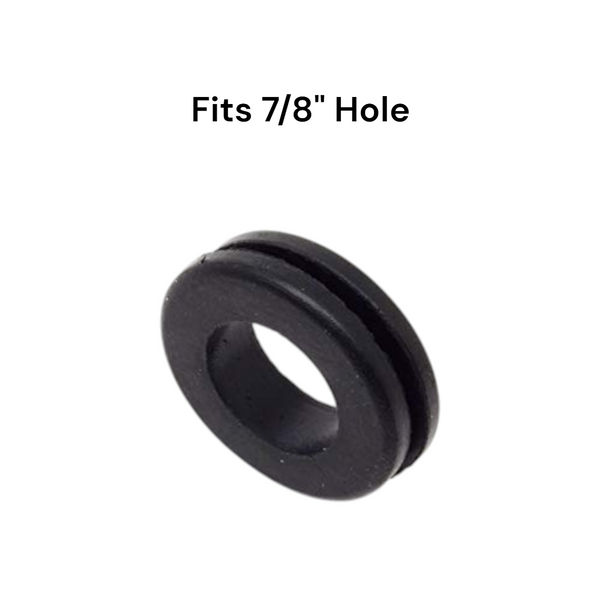
Sizing is where many purchases go wrong. If the foot is too small, it can sink, split, or create pressure points. If it is too large, it may look awkward or fit poorly against the leg. For push-in, stem, or threaded styles, exact measurements are everything. A close-enough fit is often not close enough.
The main types and how they actually perform
If you are comparing options, it helps to think in terms of use case instead of marketing claims.
Adhesive rubber feet
These are the easiest to install and the easiest to misapply. On stationary furniture, they can be a quick fix for light vibration, surface protection, and minor leveling issues. They are especially useful on small tables, decorative pieces, speaker cabinets, and furniture that is lifted more than dragged.
Where they fall short is high-shear use. Dining chairs, bar stools, and ottomans that get shoved around daily tend to challenge the adhesive more than the rubber itself. Once dust or cleaning product gets under an edge, the pad starts lifting. If you want a low-effort option, they are convenient. If you want a long-term fix for active furniture, they are not usually the best bet.
Screw-on rubber feet
This is often the best all-around choice when the furniture design allows it. Screw-on feet stay put better, resist side movement better, and usually outlast peel-and-stick versions by a wide margin. They are a solid choice for wood furniture, shop benches, stools, and utility cabinets.
The trade-off is installation. You need the right screw size, enough base material to hold securely, and a flat enough mounting surface. On cheap particleboard furniture, that can be less reliable. On solid wood or properly reinforced bases, screw-on feet are usually the safer bet.
Threaded leveling feet with rubber bases
These are ideal when the real issue is uneven floors rather than sliding. Worktables, cabinets, shelving, and heavier furniture benefit a lot from adjustable feet. You get floor protection plus the ability to fine-tune stability.
They are not always the prettiest option, and they require compatible inserts or mounting hardware. But for garages, workshops, utility areas, and commercial spaces, they solve a problem that basic rubber pads do not.
Push-in and stem-style rubber feet
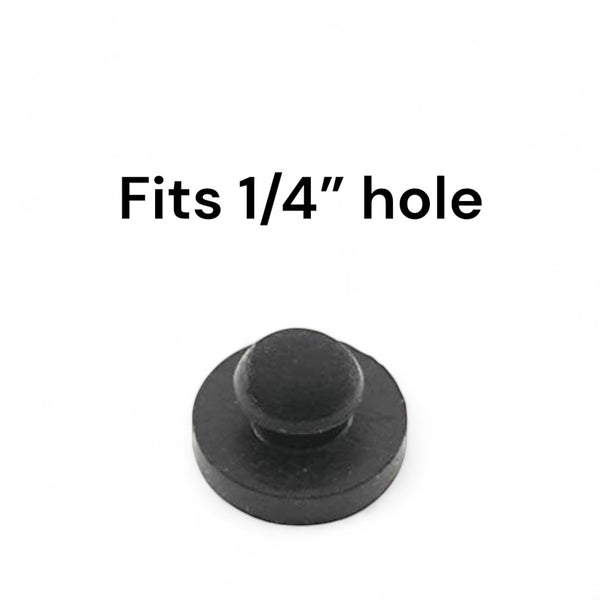
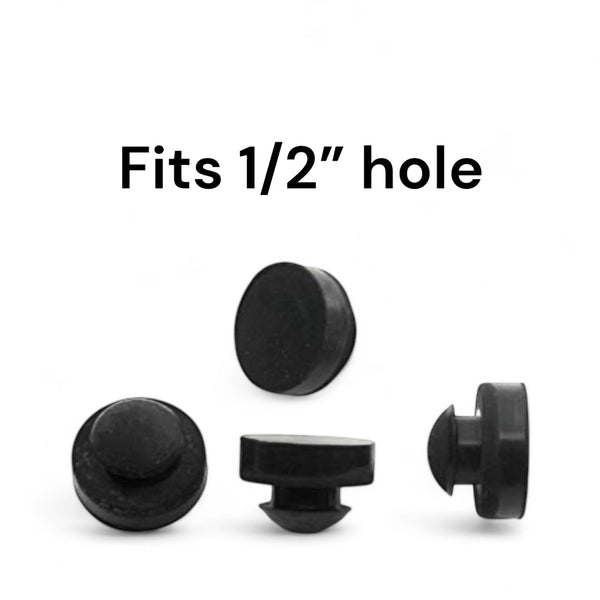
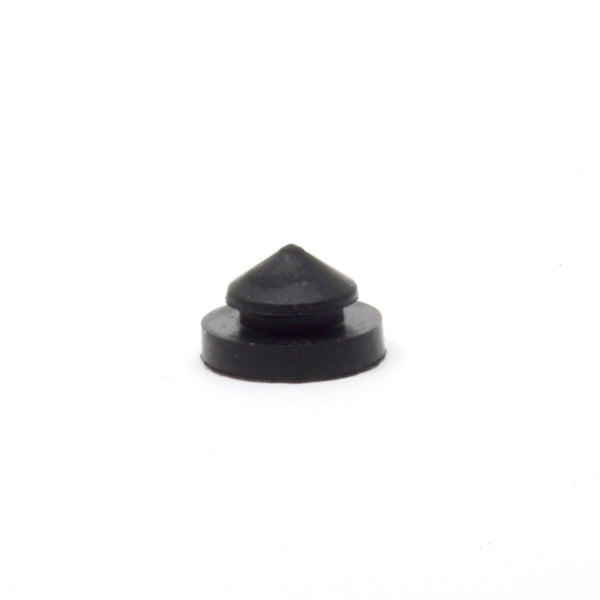
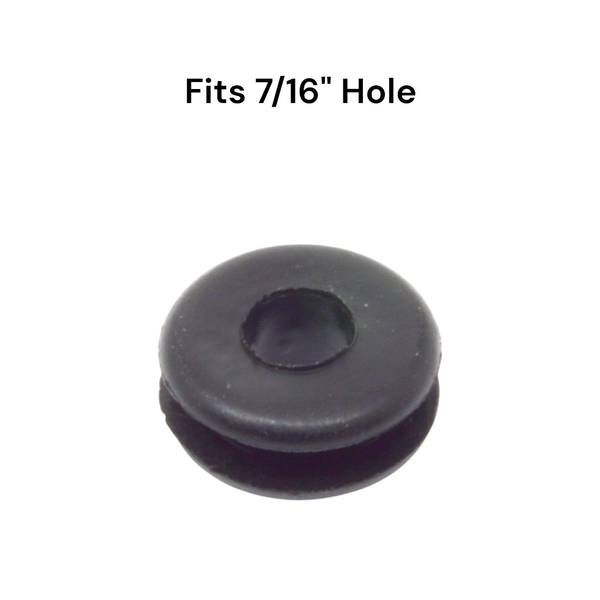
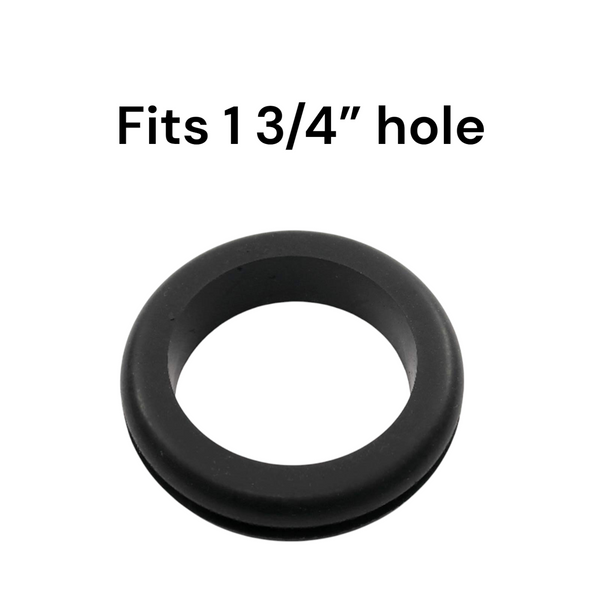
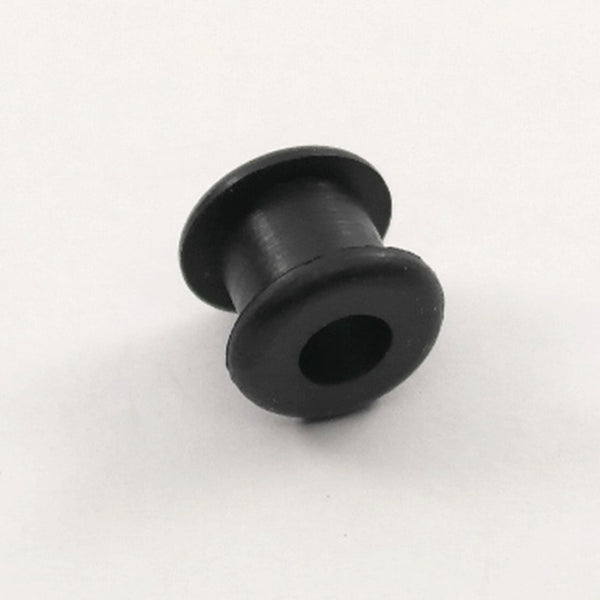
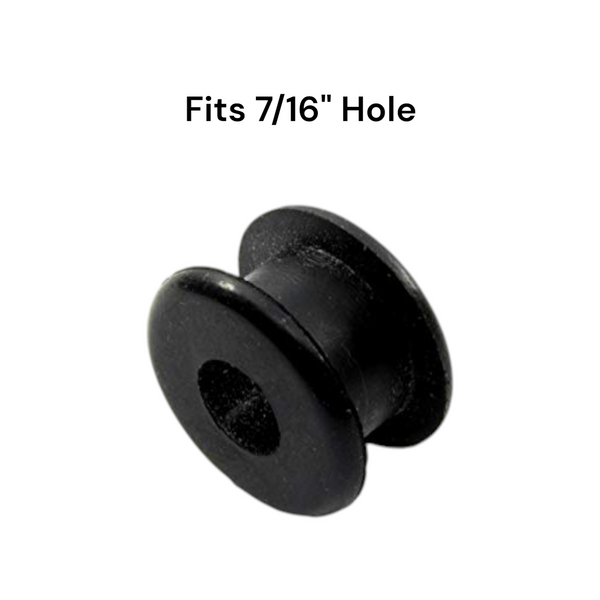
These are common on tubular metal furniture, wire shelving, and certain equipment stands. When the measurement is correct, they give a clean look and reliable protection. When the measurement is off by even a little, they can fall out, twist, or crack during installation.
This is one category where measurement-driven shopping matters most. You need to know the hole size, tube dimensions, and in some cases wall thickness. Guessing from photos is a good way to buy the same part twice.
How different floors change the result
A good rubber feet for furniture review has to account for flooring, because the same foot can perform very differently from one room to another.
On hardwood, rubber feet are usually a good choice when the material is clean and non-staining. They reduce scraping noise and help prevent direct leg contact with the finish. That said, very grippy rubber on chairs can create a stop-and-jerk feel instead of smooth movement. If the chair is meant to slide in and out often, felt or a hybrid solution may make more sense.
On tile, rubber does a nice job with noise reduction and anti-slip performance. Textured tile can wear softer feet faster, though, especially under chairs or small tables with narrow legs. A larger contact area generally helps.
On laminate and vinyl plank, rubber can work well, but quality matters. Cheap materials may harden, leave marks, or lose grip over time. On these floors, a clean, properly sized foot with a stable base tends to do best.
On concrete, especially in garages or utility spaces, rubber feet help with vibration and prevent metal or wood bases from grinding directly against the floor. But rough concrete is hard on soft materials. If the piece is heavy, go with a more durable attachment style and a tougher compound.
Common complaints and whether they are fair
The most common complaint is that the feet "did not stick." Often that is fair, but sometimes the surface was dusty, oily, or uneven. Adhesive products need a clean, dry application surface and enough cure time to bond properly. Even then, there are limits.
Another complaint is flattening or splitting under weight. That usually means the foot was undersized or too soft for the load. A small rubber bumper under a heavy bookcase is being asked to do the wrong job.
Some buyers also complain about staining or floor marks. That can happen with low-quality rubber compounds, particularly in warm conditions or under long-term pressure. If floor finish is a concern, material quality should not be an afterthought.
Then there is wobble. Rubber feet can reduce wobble, but they do not magically correct a warped frame or uneven leg lengths. If the furniture is structurally off, a basic foot may cushion it, not fix it.
What to look for before you buy
Start with the leg design. Is it wood, metal, hollow tube, square stock, or something decorative that limits mounting options? That narrows the field quickly.
Then measure carefully. For external feet, check the leg diameter or width and the footprint you want. For insert or push-in styles, measure the opening exactly. For threaded options, know the thread size and pitch. This is where a hardware-focused seller has an advantage over generic marketplaces. Clear measurement-based naming saves time and reduces returns. While dangoodbuy may not have everything listed on the store, we have access to create a custom order for you to find the part you need.
Think honestly about movement. If the furniture gets dragged, choose a more secure mount. If it stays mostly in place, adhesive may be enough. If the floor is uneven, look at leveling styles instead of standard pads.
Also consider quantity. Some buyers need four pieces for a single repair. Others need dozens for a small production run, rental property refresh, or shop fixture update. Buying the right part in the right pack size is part of getting the job done without overbuying.
So, are rubber feet for furniture worth it?
Yes, if you buy the right type for the job. Rubber feet are one of those small parts that feel minor until they solve three problems at once - noise, movement, and floor wear. But they are not interchangeable, and that is where many reviews go sideways.
For active furniture, screw-on, threaded, or properly fitted insert styles usually give the best long-term results. For lighter-duty applications, adhesive rubber feet can be a quick and inexpensive fix. The real difference is not hype. It is fitment, load, and surface conditions.
If you are tired of sorting through vague listings and guessing from photos, this is one of those categories where exact measurements make the buying process much easier. A rubber foot is a simple part, but getting the right one still beats replacing the wrong one.