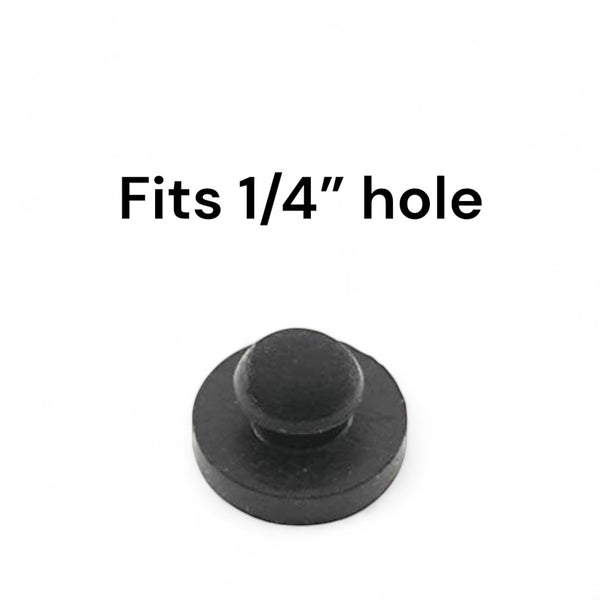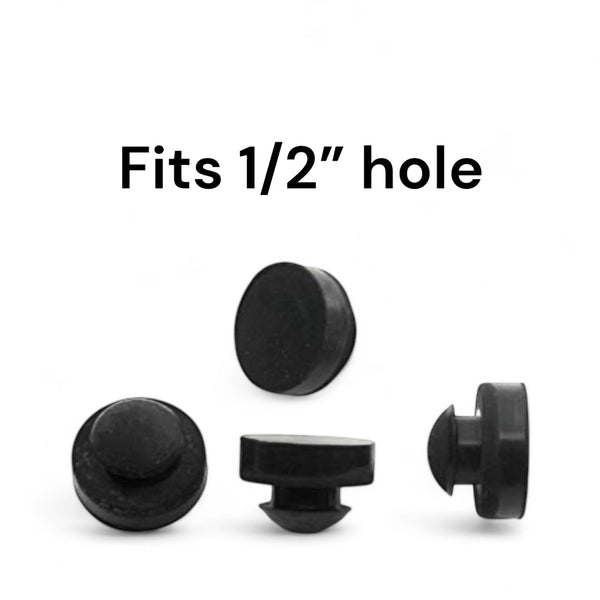
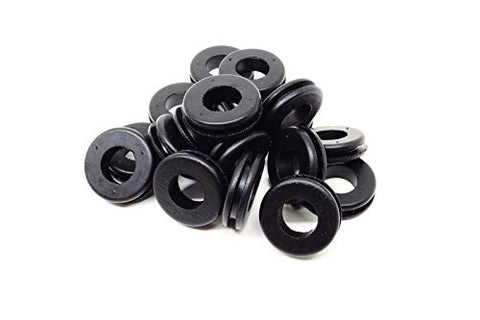

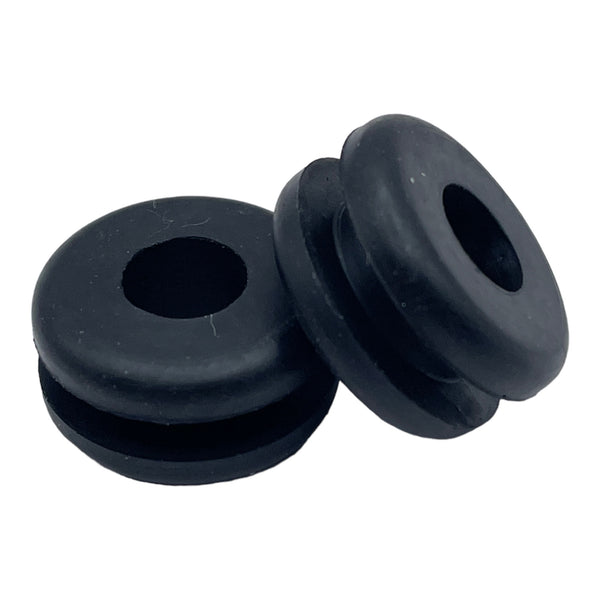
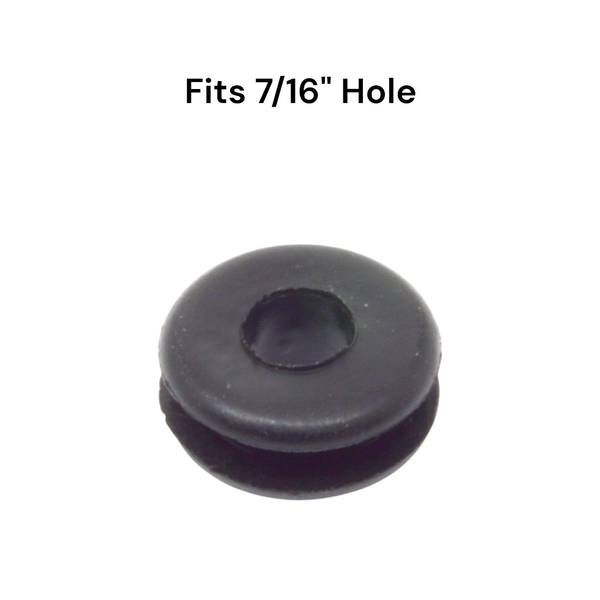
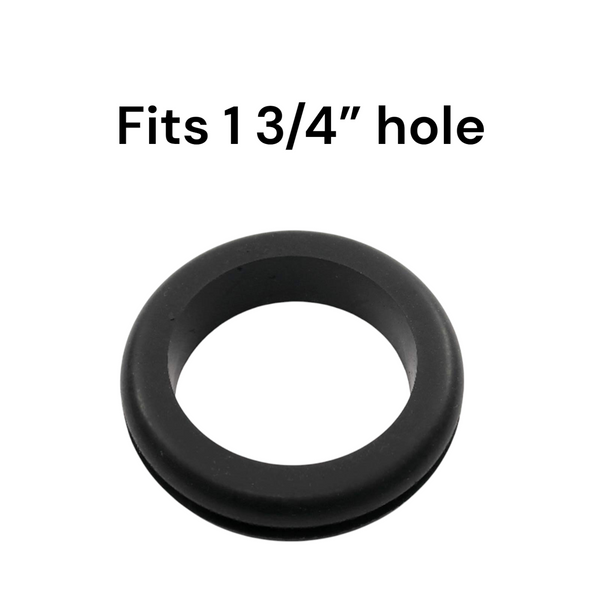
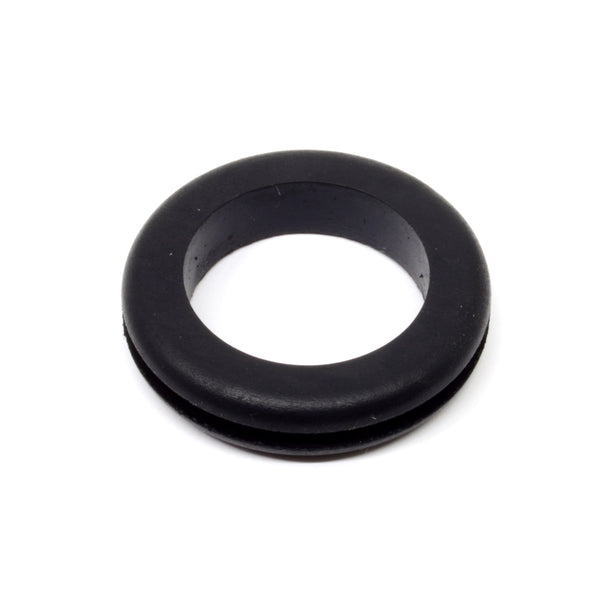
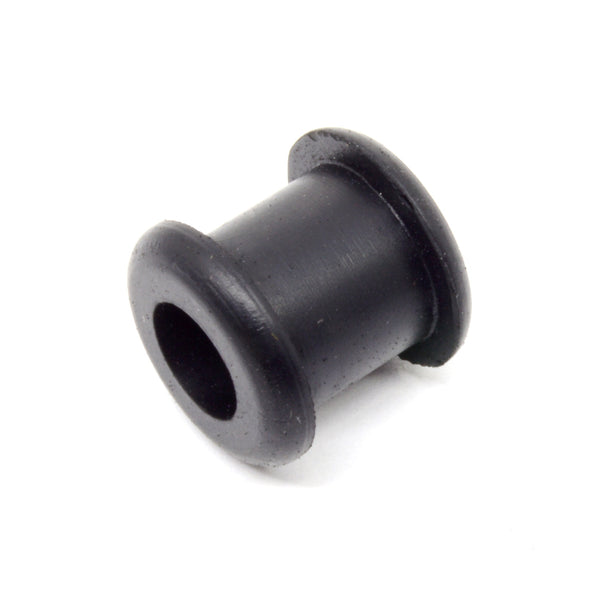
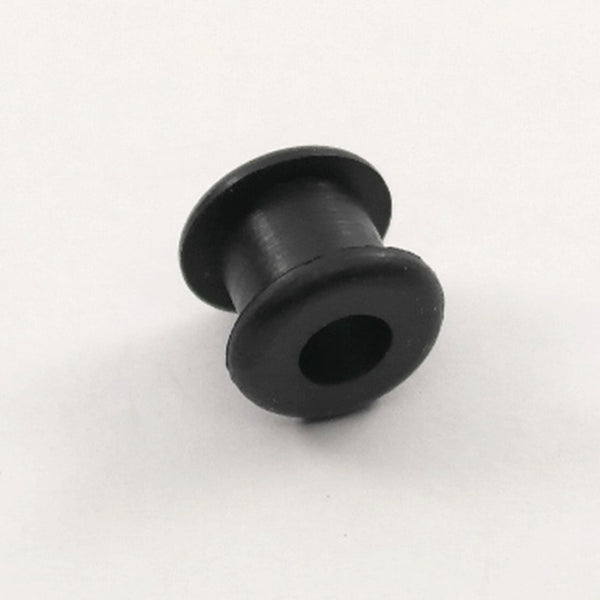
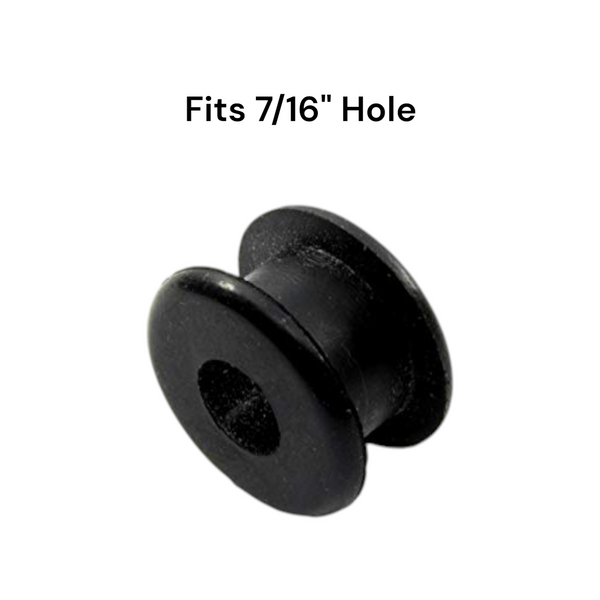
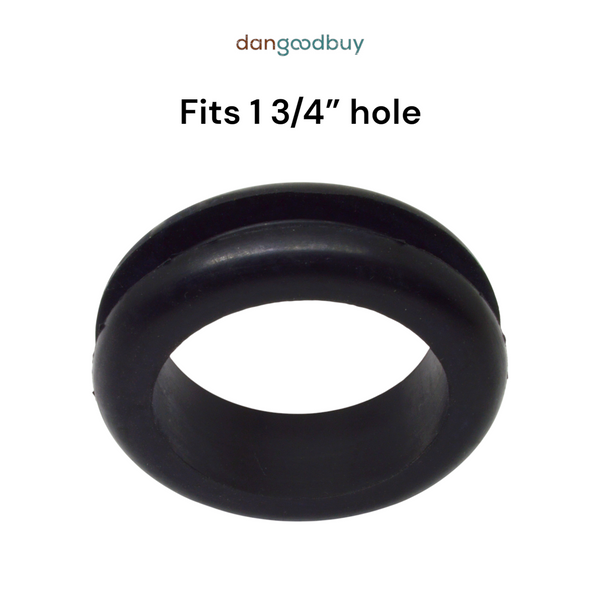
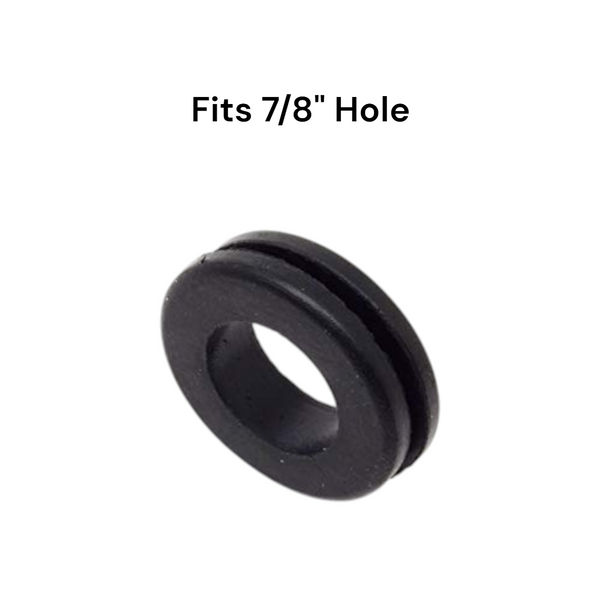

If a wire has to pass through sheet metal, plastic, or a drilled panel hole, the edge of that hole becomes the problem. Rubber grommets for cable routing solve that problem by lining the opening, protecting insulation from abrasion, and giving the finished job a cleaner, more secure fit.
That sounds simple, but this is one of those parts people often buy twice. The first mistake is usually sizing. The second is assuming any soft rubber ring will work the same way. It will not. A grommet that is even slightly off on hole size, groove width, or inside diameter can turn a quick install into a frustrating one.
Why rubber grommets for cable routing matter
At a basic level, a rubber grommet separates a cable from a hard edge. That matters in electrical boxes, firewall pass-throughs, control panels, enclosures, dash panels, workbenches, and shop-built equipment. Vibration, movement, heat cycles, and simple installation tension can all wear a cable jacket faster than expected if the pass-through is left bare.
A good grommet helps in three ways. It cushions the cable, it grips the panel opening, and it creates a more finished path for the wire or bundle. In some applications, it also helps reduce rattling and keeps the cable from shifting around as much.
It is not a waterproof fitting, and it is not a strain relief in every case. That distinction matters. If you need sealing against water, dust, or pressure, or if the cable will be pulled regularly, you may need a different part. But for many electrical, automotive, mechanical, and DIY jobs, a standard rubber grommet is the right answer.
The measurements that actually matter
When people shop by photo, they usually end up guessing. Grommets are fitment-based parts, so measurements matter more than appearance.
The first measurement is hole size. That is the panel opening the grommet needs to snap into. If the hole is too small, installation becomes a fight or simply will not work. If the hole is too large, the grommet may sit loose or pop out.
The second is groove width. This needs to match the panel thickness closely enough for the grommet to seat properly. Thin sheet metal, thicker plastic panels, and fabricated boxes do not all require the same groove profile. A mismatch here can cause poor retention even when the hole diameter looks correct.
The third is inner diameter. That is the opening your cable, cord, tube, or wire bundle passes through. Too small and you risk pinching or damaging the cable jacket during installation. Too large and the cable can move around more than you want.
There is also the question of cable shape. A single round cable is easy. A flat harness, multiple wires, or a connector that has to pass through the opening changes the decision. Sometimes you need a larger inner diameter than the cable itself would suggest just to make assembly practical.
How to choose the right rubber grommet
Start with the panel hole, not the cable. That may seem backward, but the panel opening is fixed in most situations. Measure the actual hole diameter as accurately as you can, then measure the panel thickness. After that, look at the cable outside diameter or bundle size.
If you are replacing an old grommet, do not assume age has left it unchanged. Rubber can compress, harden, swell, or distort over time. Measure the hole and the cable rather than relying only on the old part.
For a new build, think about installation order. If the connector is already terminated on the cable, a tight inner diameter may not be realistic unless the wire can be depinned or fed before final assembly. If the cable is stationary after installation, a snug fit is ideal. If it needs occasional movement, you may want just enough clearance to avoid binding.
This is why measurement-driven shopping is so helpful. Instead of trying to match a vague product photo, you can narrow by actual dimensions and get much closer to the right fit the first time.
Common applications and what changes between them
Automotive wiring is one of the most common uses for rubber grommets for cable routing. Firewall pass-throughs, body panels, trunk floors, and accessory wiring all benefit from edge protection. In those cases, vibration and heat matter, and a sloppy fit tends to show up quickly.
In electrical enclosures and control boxes, the goal is usually abrasion protection and a clean pass-through. Here, panel thickness and cable bundle size are often the deciding factors. If the enclosure is packed tight, the grommet also helps keep wires from rubbing against a sharp knockout or drilled edge.
DIY and shop projects bring different challenges. A desk cable pass-through, a custom battery box, a trailer wiring project, or a fabricated metal bracket may not be exposed to harsh conditions, but the same fit rules still apply. Even in lighter-duty jobs, a bare edge can cut into insulation over time.
Mechanical equipment sits somewhere in the middle. You may be routing a sensor wire, small hose, or low-voltage lead through a machine guard or access panel. In that case, movement and vibration can be constant, so retention and material quality matter more than they might in a one-time static install.
Mistakes that cause the most trouble
The biggest mistake is choosing by approximate size. Close is not good enough with grommets. A hole that measures 1 inch should not get a part intended for something that is roughly around 1 inch. The difference may look minor on paper and still fail in the panel.
Another common mistake is ignoring panel thickness. Buyers often focus on outside diameter and inside diameter, but groove width is what helps the grommet lock into place. If the groove does not match the panel well enough, the grommet can twist, pull out, or never seat correctly.
The next issue is underestimating cable diameter. Cable jackets vary, and bundles do not stay perfectly round once they are taped or sleeved. If the fit is too tight, installation becomes harder than expected and can put stress on the cable.
There is also a materials issue. Not every environment is the same. Oil exposure, outdoor weather, engine heat, and constant flex can affect service life. A standard rubber grommet works well in many applications, but harsh conditions may call for closer material review instead of assuming any rubber part will last equally well.
Why buying the right size is harder than it should be
This category gets frustrating fast because many sellers treat grommets like generic accessories instead of technical parts. You get a picture, a rough size name, and not much else. That leaves buyers to guess whether the listing refers to hole size, outside diameter, or inner diameter.
That is where a measurement-first approach makes a real difference. When parts are organized around actual hole size, groove width, inner diameter, and panel thickness, shopping becomes much more practical. You can compare fitment details directly instead of trying to reverse-engineer a product listing.
For buyers who only need a few pieces, that clarity matters even more. Most people do not want to buy industrial case quantities just to finish one repair or prototype. At the same time, small shops and repeat buyers need a path to larger quantities when the job grows. A good supplier should make both options easy.
When a standard grommet is enough and when it is not
A standard rubber grommet is usually enough when you need edge protection and light cable stabilization through a panel opening. That covers a lot of automotive, electrical, and shop use.
It may not be enough when you need environmental sealing, strong strain relief, or a closed pass-through around a finished assembly. In those situations, you may need a different style of bushing, gland, or locking part. That is not a flaw in the grommet. It just means the application has moved beyond simple abrasion protection.
If you are unsure, ask what the part needs to do besides protect the cable from the edge. If the answer is nothing more than that, a standard grommet is probably the right place to start.
At dangoodbuy, that is exactly why fitment details come first. When you can shop by real measurements instead of guesswork, it gets a lot easier to find a rubber grommet that actually works. Measure the hole, measure the panel, measure the cable, and the part choice usually gets much clearer from there.
A small part like this does not get much attention when it works, and that is the whole point. The right grommet disappears into the job, protects the cable, and saves you from dealing with wear later.