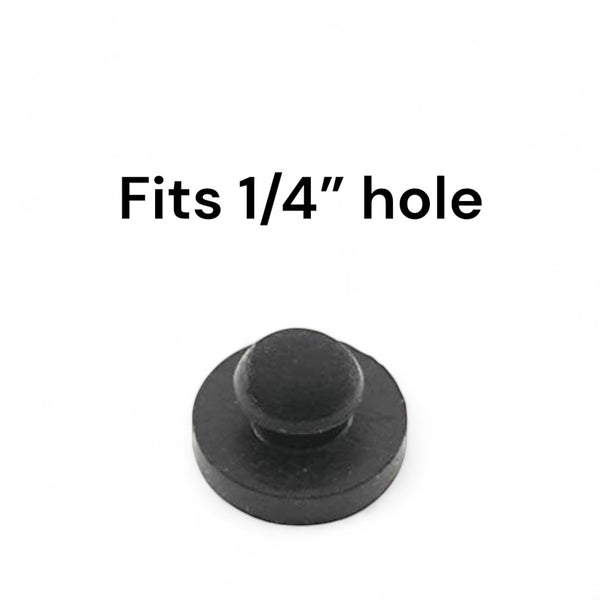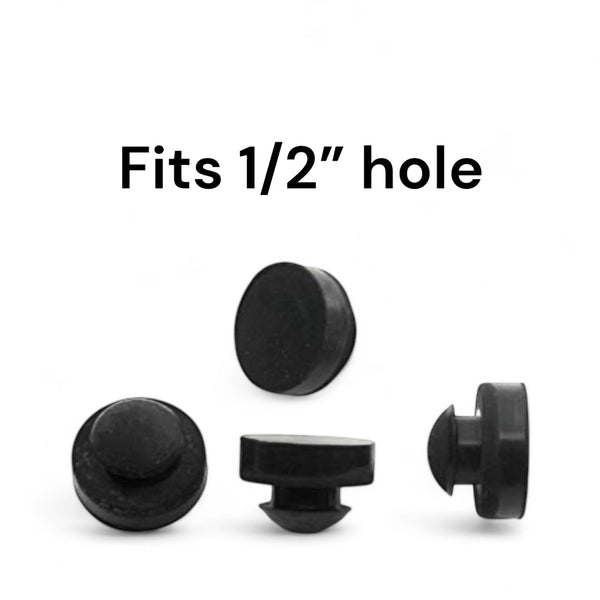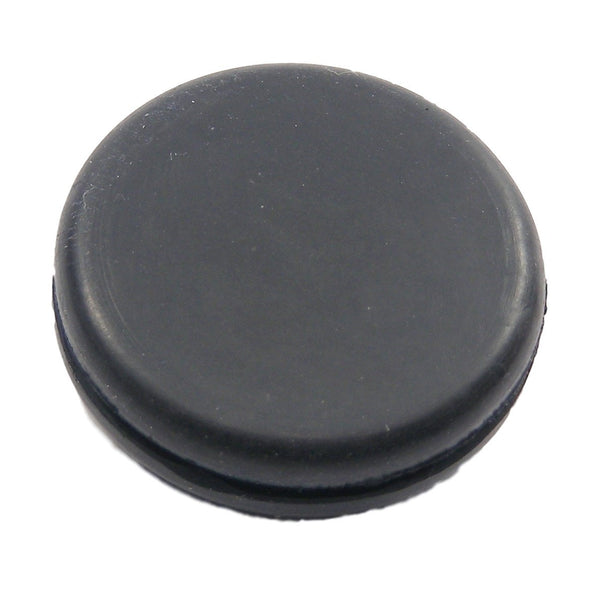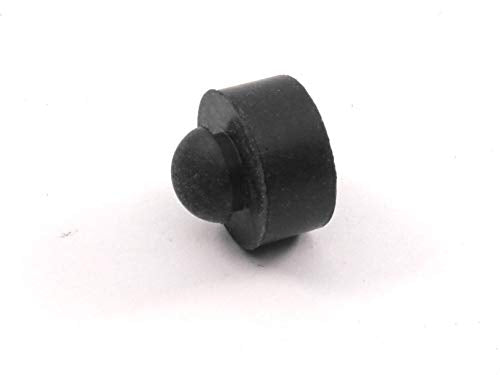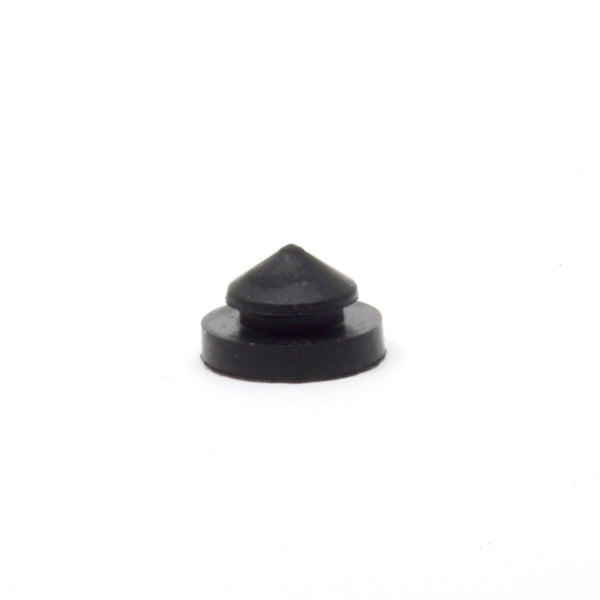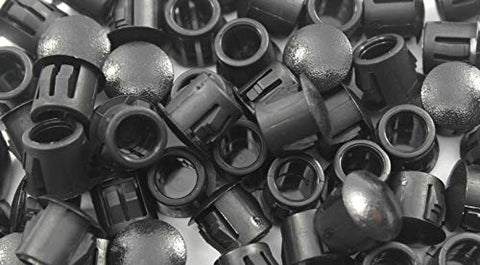

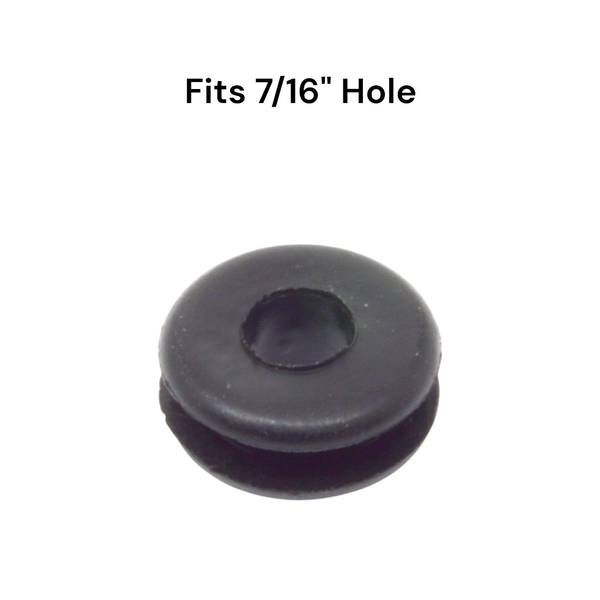
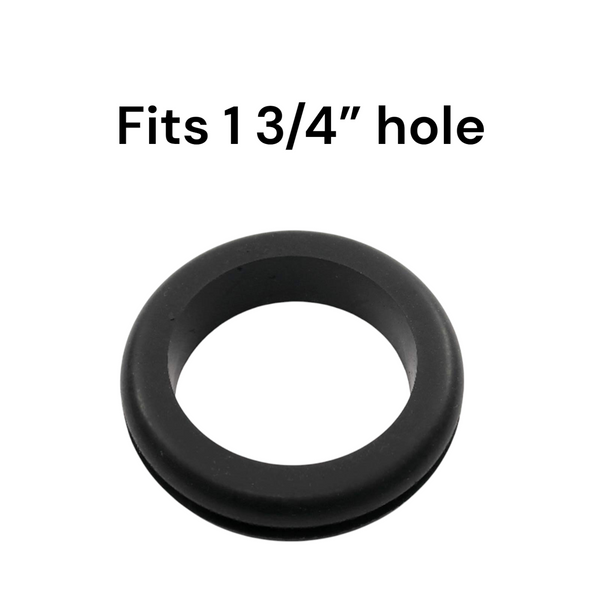
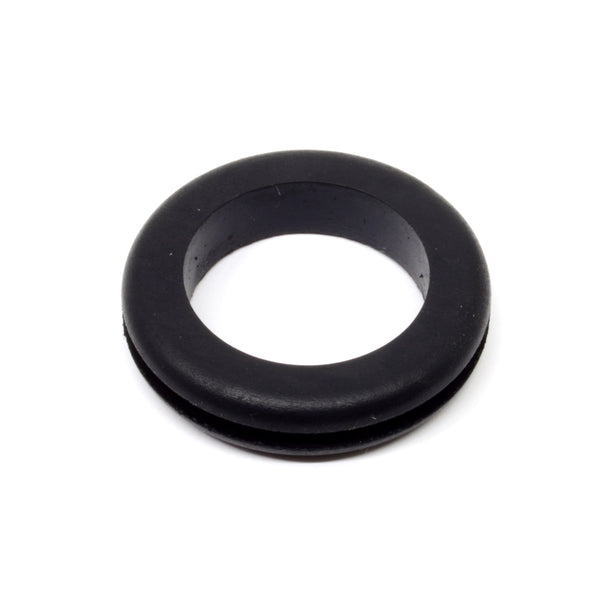
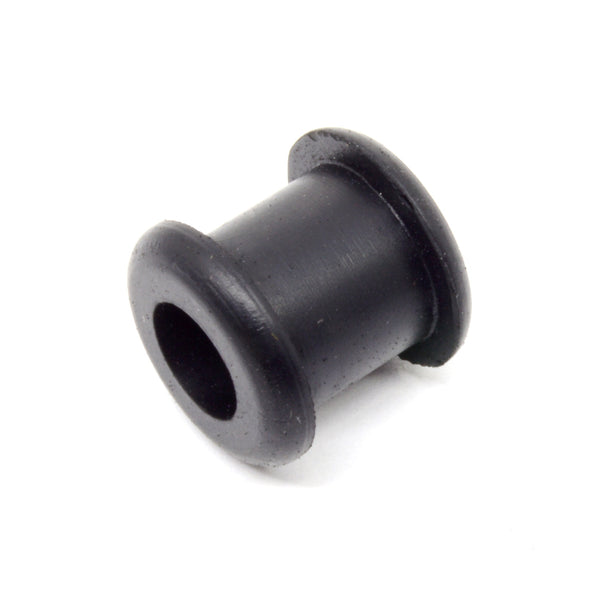

A sloppy panel opening causes more trouble than most people expect. It can let dust in, expose wiring, leave a sharp edge behind, or just make an enclosure look unfinished. That is exactly where locking hole plugs for enclosures earn their keep. They are simple parts, but getting the right one depends on a few measurements that matter more than the product photo.
What locking hole plugs for enclosures actually do
A locking hole plug is made to snap into a panel hole and stay there. Unlike a basic push-in cap that may sit loosely or work better in lighter-duty use, a locking style is designed to grip the panel and resist backing out. That makes it a practical choice for electrical boxes, equipment housings, control panels, vehicle body openings, and fabricated metal or plastic enclosures.
The job is usually straightforward. You have an unused hole, an access point that needs to be closed off, or an opening left behind after removing a switch, wire pass-through, or connector. A locking plug covers that hole cleanly while helping protect the enclosure interior from dirt, incidental moisture, and contact with edges.
That said, not every plug solves the same problem. Some are mainly for appearance and edge protection. Others are chosen because the enclosure needs a tighter, more secure hold in a specific panel thickness. If the application is exposed to vibration, outdoor conditions, or repeated handling, the fit matters even more.
Why fit matters more than material alone
Buyers often start by asking whether they need nylon, rubber, or another material. Material does matter, but fit usually decides whether the part works at all.
With enclosure plugs, the first thing to verify is the actual hole size. Not the nominal size someone wrote on an old print, and not the rough estimate from a tape measure. The real hole diameter is what determines whether the plug will lock into place properly. Even a small mismatch can mean a plug that will not install, or one that feels installed but pops out too easily.
Panel thickness comes next. Many locking plugs are designed around a grip range, not just a single hole diameter. If the panel is too thin or too thick for that design, the locking feature may not engage the way it should. This is where buyers run into frustration with general hardware catalogs. A product image might look right, but without clear measurements, you are still guessing.
Head diameter also matters if appearance or coverage is part of the goal. The plug needs to cover the opening cleanly, especially if the hole edge is rough or the surrounding surface is visible on finished equipment.
How to measure before you buy
If you want to avoid trial and error, measure the opening and the panel before choosing a part. A caliper is best, especially for smaller holes where fractions of an inch can be misleading.
Start with the hole diameter. Measure across the opening at its widest point, especially if the hole is not perfectly round. Then measure panel thickness at the installation point. If the enclosure wall is painted, coated, or has slight variation, use the finished thickness the plug will actually see.
After that, think about what the plug needs to do. Is it mainly there to close an unused knockout? Is it covering a hole in a plastic housing? Does it need to stay put on a vibrating machine or vehicle panel? Those details help narrow the right style.
For many buyers, the easiest shopping experience comes from browsing by exact dimensions instead of vague category names. That is one reason measurement-based selection is so useful. It cuts down on returns, saves time, and makes specialty parts feel a lot less specialized.
Common applications for enclosure hole plugs
These plugs show up in more places than people realize. In electrical work, they are often used to close unused openings in boxes, cabinets, or equipment panels. In automotive and truck applications, they can cover body holes, firewall openings, or old access points after component changes. In fabrication and maintenance work, they help finish equipment neatly and reduce exposure around panel cutouts.
DIY users also run into them when repurposing boxes, modifying project enclosures, or cleaning up a repair. A hole left behind from an older switch or cable run may be small, but it still needs to be covered safely and cleanly.
The application affects the best choice. A garage project enclosure may only need a secure, tidy closure. A commercial machine panel may need more confidence against vibration and routine handling. An outdoor enclosure may push you to consider weather exposure, UV resistance, and whether a simple hole plug is enough for the environment.
When a locking plug is the right choice
A locking style makes sense when you need more retention than a loose push-in cover provides. If the enclosure gets moved, bumped, or exposed to vibration, that extra grip is usually worth it. It also helps when the opening is in a visible location and you do not want a plug that sits unevenly or shifts over time.
There are trade-offs. Locking plugs are only as good as the hole and panel specs they are matched to. If your hole is oversized, out of round, or damaged, even the right nominal part may not hold as expected. In those cases, you may need a different style, a repair approach, or a plug with different coverage and retention features.
Installation force can also vary. Some plugs go in easily by hand. Others need a firmer push, especially in tighter fits or thicker panels. That is usually a sign of secure retention, but it should still match the application and the installer's needs.
Mistakes that cause the wrong fit
The most common mistake is ordering by guesswork. Buyers often assume a 1-inch hole is really 1 inch, only to find the actual opening runs slightly over or under. Another frequent problem is ignoring panel thickness. A plug may match the hole diameter on paper and still fail because the panel falls outside the intended grip range.
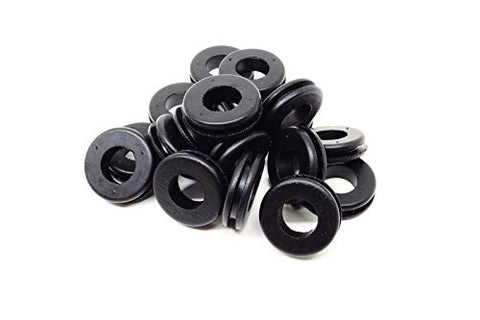
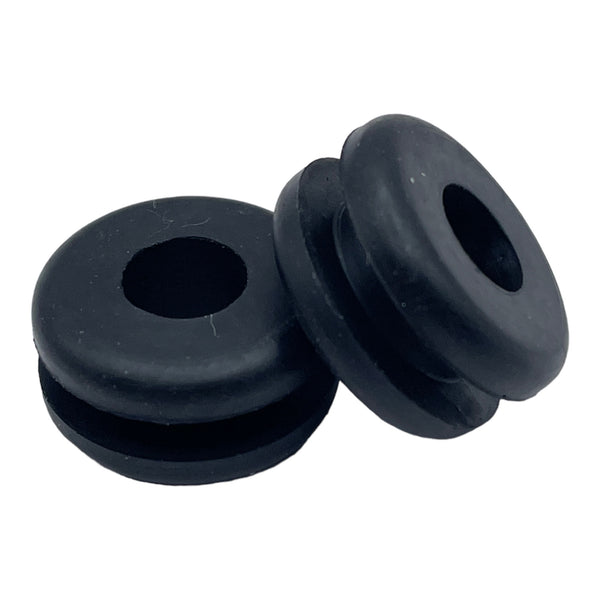
It is also easy to confuse hole plugs with grommets or caps. A grommet is usually meant to protect something passing through the hole, like a wire or tube. A cap may cover a tube end or threaded fitting. A locking panel plug is meant to close the hole itself.
Material confusion comes up too. A buyer may assume softer always means better sealing, or harder always means more durable. The truth depends on the enclosure, the exposure, and how much retention the design provides. There is no single best material for every panel opening.
Choosing a supplier matters too
With specialized fitment parts, product clarity is a big part of product quality. If a listing does not clearly show hole size, panel thickness, and other key dimensions, you are stuck interpreting photos and hoping for the best.
That is why buyers tend to prefer suppliers that organize parts around measurements instead of broad, catch-all categories. It is faster, and it lowers the chance of buying ten pieces that almost fit. For small quantity buyers, that matters just as much as it does for maintenance teams and small shops.
It also helps when you can buy only what you need. Not every job calls for a case quantity. Sometimes it is one enclosure on a bench. Sometimes it is fifty units in production. A supplier like dangoodbuy makes that easier by supporting both exact-fit shopping and flexible quantities without turning a simple part into a sourcing project.
A practical way to pick the right plug
Start with the hole diameter and panel thickness. Then consider the environment - indoor or outdoor, light use or vibration, cosmetic cover or more secure retention. After that, verify the head size if you need the plug to cover marks or rough edges around the opening.
If the enclosure opening is irregular, damaged, or exposed to more than dust and incidental contact, pause before choosing the most basic option. A locking hole plug may still work, but the application may call for a different closure method or a tighter review of conditions.
The good news is that this is one of those parts that becomes easy once the measurements are clear. You do not need a giant catalog or a purchasing department to get it right. You just need the actual dimensions and a product listing that respects them.
A well-fitted plug is not flashy, but it solves a real problem fast - and when an enclosure looks clean, stays protected, and does not need a second order, that is usually the kind of part choice that feels right immediately.