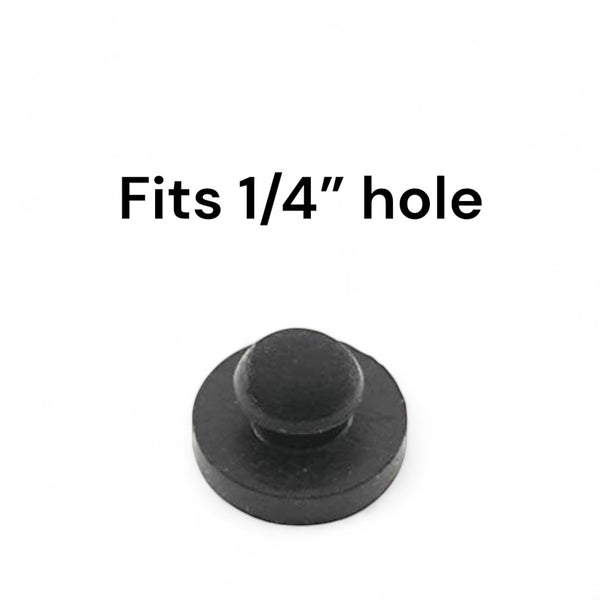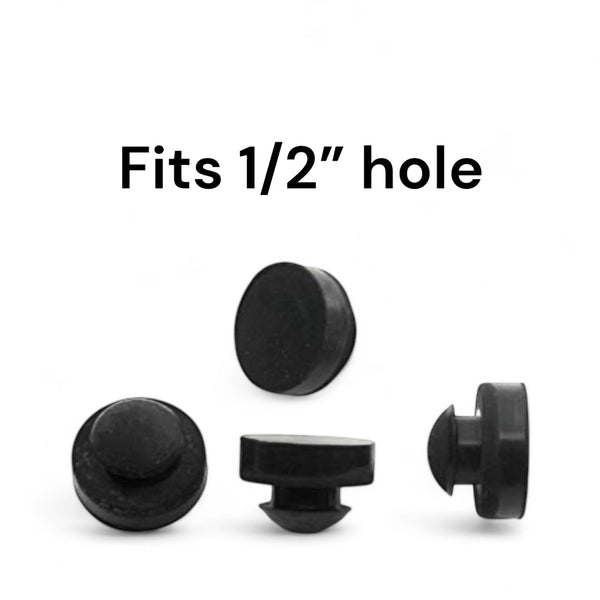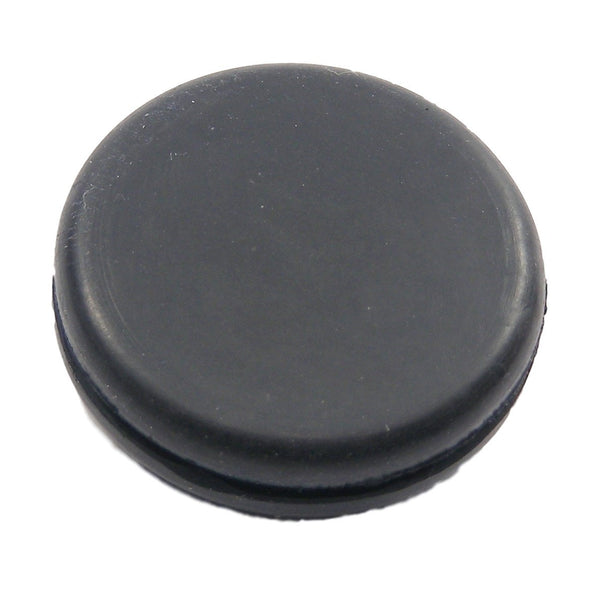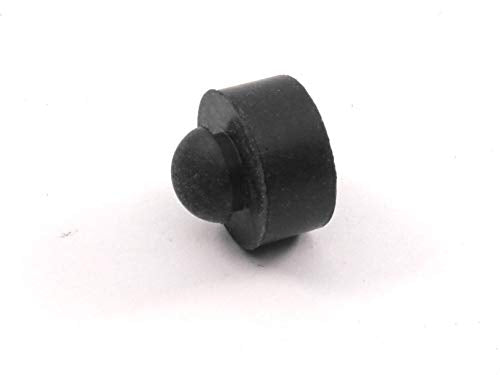


If you have an open knockout or unused opening in a box, cabinet, or enclosure, electrical panel hole covers are one of those small parts that matter more than they look. A loose fit can rattle, fall out, or leave edges exposed. A cover that is too tight can waste time during installation or simply not seat correctly in the panel.
That is why the real job is not just finding a cover. It is finding the right size, the right style, and the right fit for the panel thickness and hole diameter you are working with.
What electrical panel hole covers actually do
At a basic level, these covers close unused holes in electrical panels, junction boxes, metal enclosures, and similar equipment. That sounds simple, but the reason people need them varies quite a bit. Sometimes you are cleaning up an old knockout after reworking a panel. Sometimes you are closing an opening left behind by removed conduit, switches, or fittings. In other cases, you are finishing a custom box build and need a cleaner, safer result.
A good hole cover helps reduce exposure to dust, accidental contact, and snag points around unfinished openings. It also improves the finished appearance of the panel. For shops, maintenance teams, and installers, that cleaner result matters. A cabinet with random open holes looks unfinished because it is unfinished.
Not every application has the same requirement, though. If the panel is in a dry indoor setting, you may only need a basic snap-in solution. If it is exposed to vibration, repeated handling, or outdoor conditions, retention and material choice matter a lot more.
The biggest mistake when buying electrical panel hole covers
The most common mistake is shopping by appearance instead of measurement. Two covers can look nearly identical in a photo and still fit very differently.
The key dimension is usually the actual hole size. That means the diameter of the panel opening you need to fill, not the outside diameter of the cover itself. On some parts, panel thickness matters too, especially when the cover relies on locking tabs, grooves, or compression to stay in place.
This is where buyers get frustrated with generic hardware catalogs. Listings often tell you very little beyond a rough size name. But a nominal size is not always enough. If you want the part to fit the first time, you need the usable dimensions spelled out clearly.
For most buyers, a quick measurement with calipers is the fastest route to the correct part. If calipers are not available, a good ruler can help, but you will have less margin for error on smaller sizes. If the hole is rough, slightly deformed, or painted over, measure carefully and account for the actual opening the cover needs to engage.
How to choose the right style
There is no single best panel hole cover for every job. The right option depends on the opening, the panel material, and how permanent you want the closure to be.
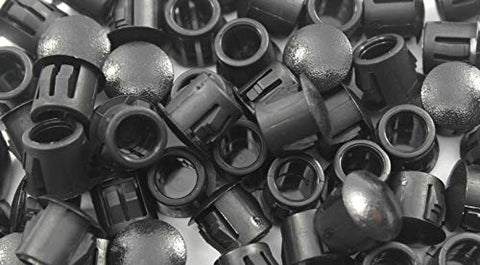
Snap-in plastic covers are popular because they install quickly and work well in many light-duty applications. They are a practical choice when you want a clean appearance and easy installation without tools. They also tend to work well for equipment housings, control boxes, and indoor panels where chemical exposure and heavy abuse are not a major concern.
Locking panel plugs are often a better fit when retention matters more. Their design helps them stay seated more securely, which can be useful in panels exposed to movement, vibration, or repeated access. If the hole is in a piece of equipment that gets transported or bumped around, that extra holding power can be worth it.
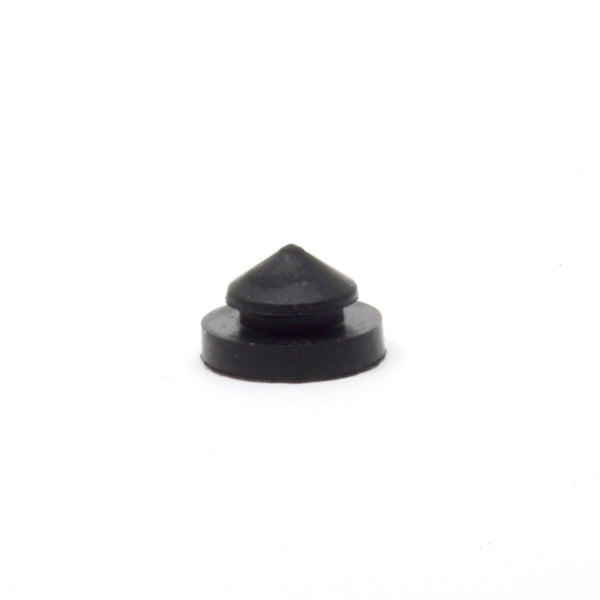
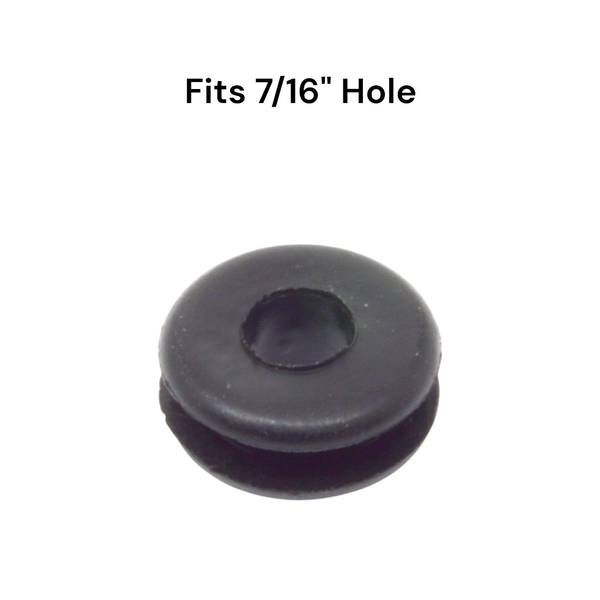
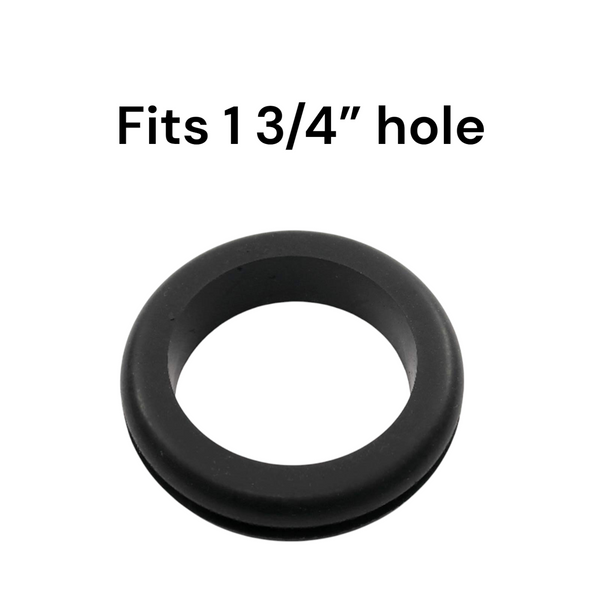
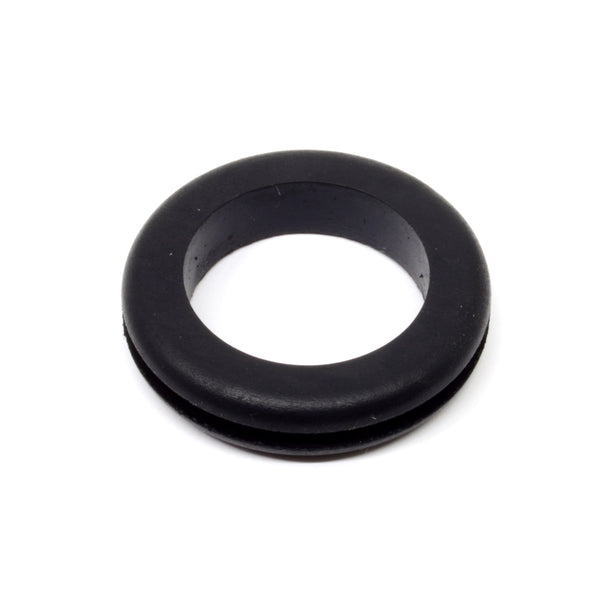
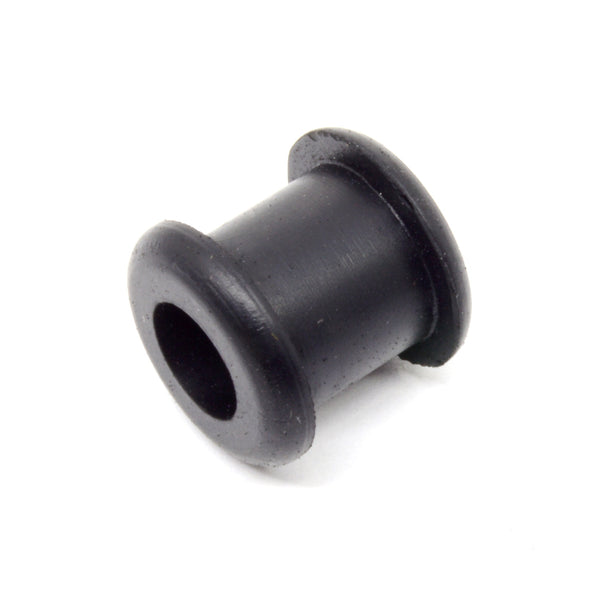
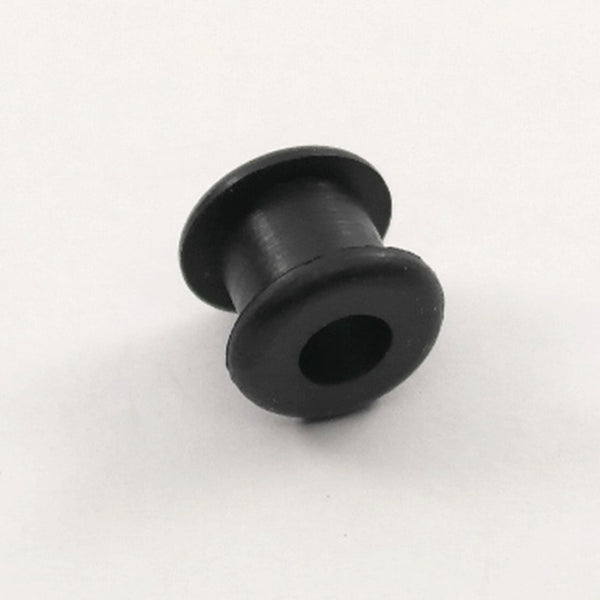
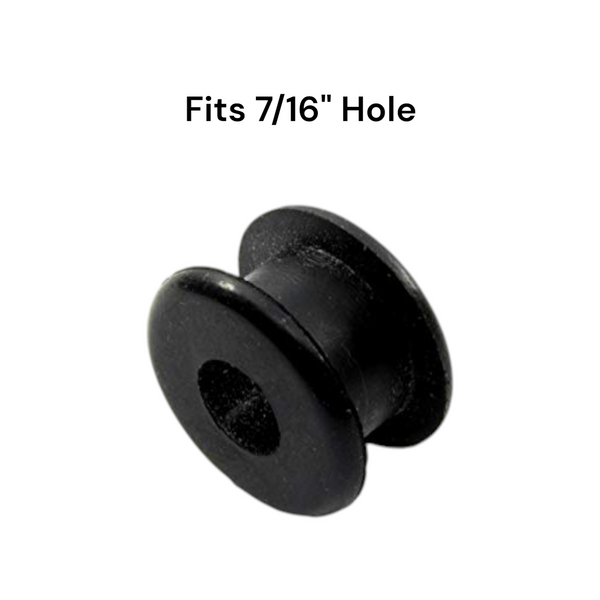
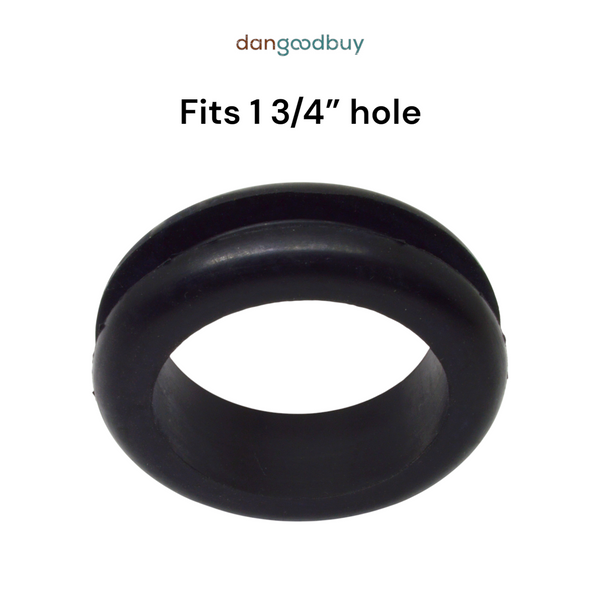
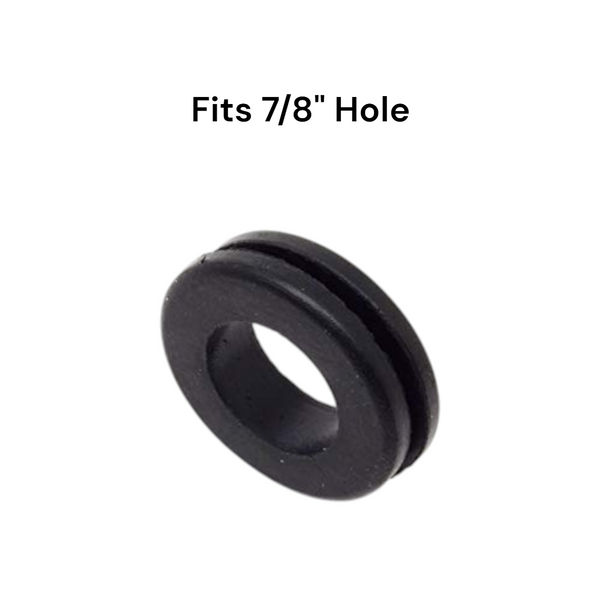
Rubber-style closures can make sense when you want a little compliance in the fit or when the panel opening is not perfectly clean. Depending on the part design, they may also provide a more finished edge and help account for slight irregularities. The trade-off is that not every rubber part is meant for every electrical enclosure situation, so material and environment still matter.
Metal hole plugs are another category, usually chosen when higher durability or a more traditional electrical hardware style is needed. They can be a strong option, but installation method and compatibility with the specific opening become even more important.
What to measure before you order
If you want to avoid buying twice, measure first and measure the right things. Start with the hole diameter. That is the primary fitment point for most electrical panel hole covers.
Next, look at panel thickness. Some covers have a working range, and others are less forgiving. A part that works in thin sheet metal may not lock properly into a thicker enclosure wall.
It also helps to check the shape and condition of the opening. A perfectly round factory knockout is easier to cover than a hand-cut hole with burrs or slight distortion. If the panel edge is rough, you may need a more forgiving design or some cleanup before installation.
Finally, think about the environment. Indoor dry location, outdoor exposure, oily shop conditions, UV, heat, and vibration all change what makes sense. A part that is fine in a utility room may not hold up the same way on equipment or in an automotive application.
Why exact fit matters more than brand names
For small technical parts like these, fitment usually matters more than the logo on the bag. Buyers are not looking for a decorative accessory. They are trying to close a specific opening without wasting time.
That is why measurement-driven shopping works better than broad category browsing. If you can shop by hole size, panel thickness, and part type, the buying process gets a lot easier. You are not guessing based on photos. You are matching dimensions to the job.
This is also why low minimum quantities matter. Many people only need one or two covers to finish a repair or clean up a panel. Others need fifty for production or maintenance stock. A good supplier should make both situations easy instead of forcing industrial pack sizes on every customer.
When a hole cover is not the right part
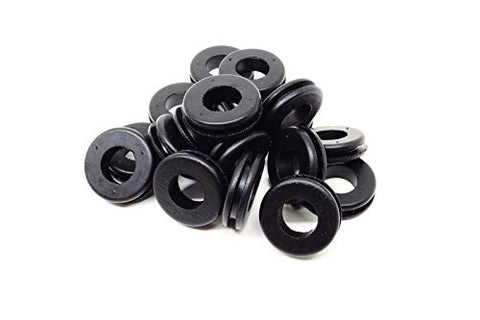
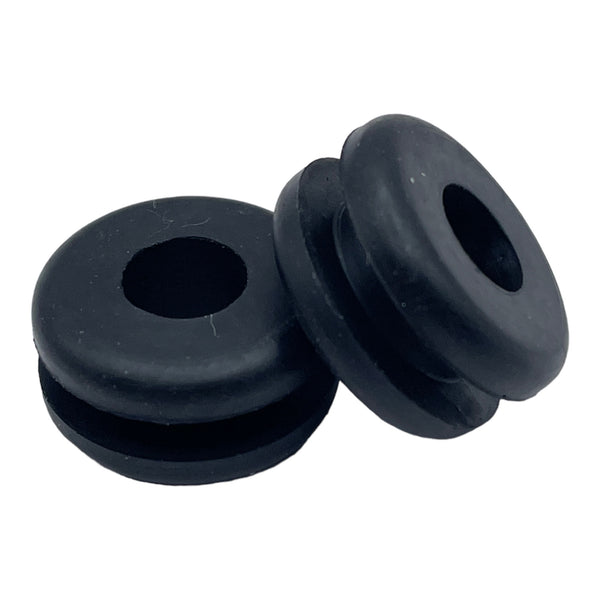
Sometimes the right answer is not a hole cover at all. If wires or tubing still need to pass through the opening, you may need a grommet instead. If the opening needs both closure and edge protection, a different style of plug may make more sense. If the panel hole was originally used for a connector or cord grip and may be reused later, a removable plug with better retention could be the smarter choice.
This is where application matters. Closing an unused hole in an electrical box is different from covering an opening in a vehicle firewall or machine housing. The parts may look similar, but the fit and material demands are not always the same.
A little honesty saves money here. If the opening needs sealing, strain relief, abrasion protection, or repeated removal, choose for that function first. Do not force a basic cover into a job it was not designed to do.
Installation tips for a cleaner result
Most panel hole covers install easily, but a few simple checks make the result better. Clean the opening first. Paint buildup, burrs, and bent edges can interfere with fit. If the panel edge is rough, deburr it before installing the cover.
Press the part in evenly rather than forcing one side and then the other. With snap-in styles, uneven pressure can distort the tabs or make the cover sit crooked. If the fit seems wrong right away, stop and recheck the size instead of trying to muscle it into place.
After installation, verify that the cover is seated all the way around the opening. A part that looks installed from the front can still be only partially engaged. On vibration-prone equipment, a quick retention check is worth doing before calling the job finished.
Buying electrical panel hole covers without the usual hassle
The annoying part of buying these components is rarely the part itself. It is figuring out which listing matches your hole size, whether the dimensions are real, and whether you are about to overbuy just to get one small repair done.
That is why clear dimension-based shopping matters. A supplier like dangoodbuy makes more sense when the parts are organized around actual measurements instead of vague category names. If you know your hole size and panel thickness, finding the right cover should feel straightforward, not like decoding an industrial catalog.
For contractors, maintenance teams, and hands-on DIY buyers, that kind of simplicity saves more than money. It saves project time.
The best electrical panel hole covers are not the ones with the fanciest description. They are the ones that match the opening, install cleanly, and stay put. Start with the measurement, match the part to the job, and the rest gets a lot easier.