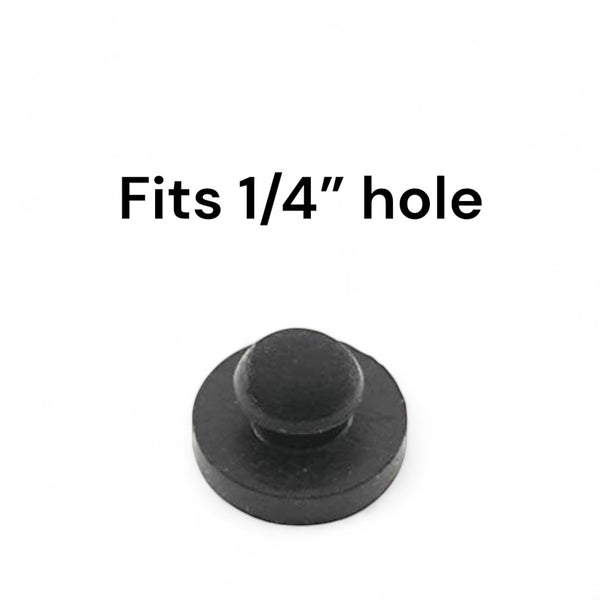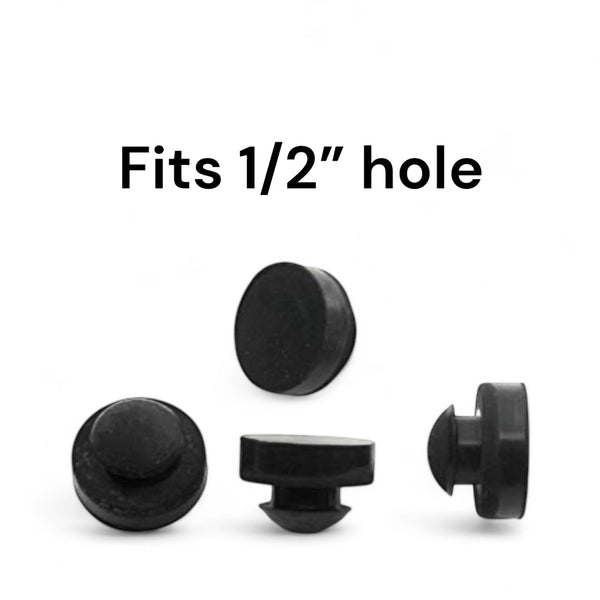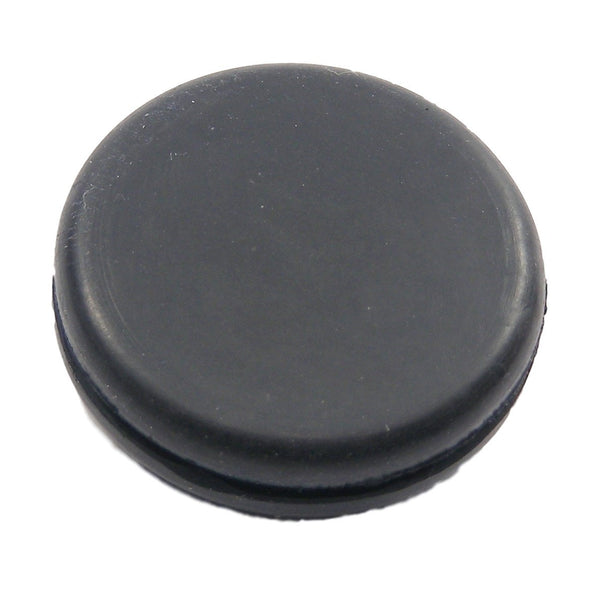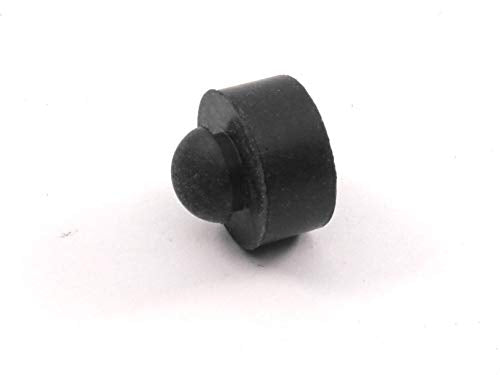


Threaded rod has a way of creating one small problem after another. The cut end is sharp, the exposed threads catch on wiring or hands, and the finished job can look rough even when everything else is done right. That is where nylon caps for threaded rods make a real difference. They are a simple part, but they solve several common problems at once.
If you are buying caps for a repair, a fixture build, a vehicle setup, or a small production run, the main challenge is usually not whether you need them. It is figuring out which size will actually fit and hold the way you expect. That is where a measurement-first approach matters.
What nylon caps for threaded rods actually do
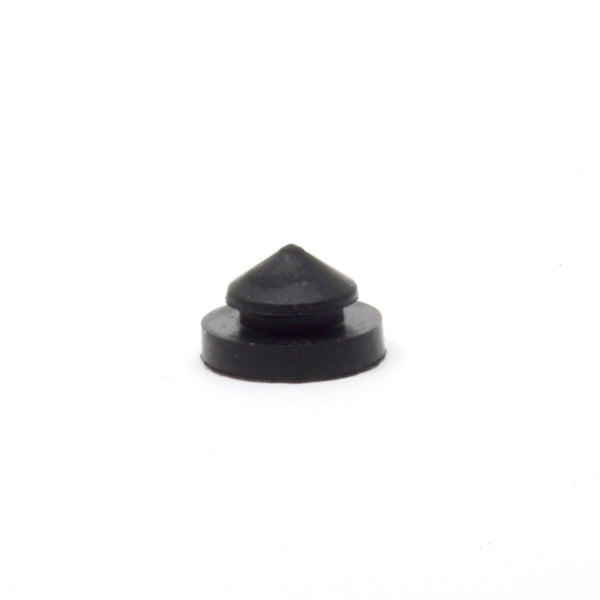
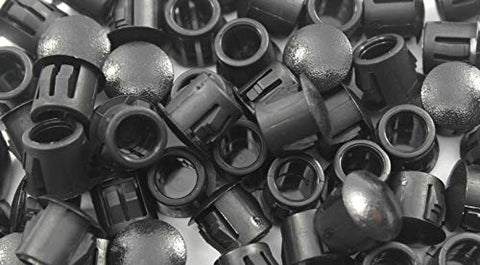
At the most basic level, these caps cover the exposed end of a threaded rod. That sounds minor until you deal with rods in tight spaces, around finished surfaces, or in places where people regularly brush against them. A cap can reduce the chance of scratches, snags, and minor contact injuries while also giving the assembly a cleaner appearance.
They also help protect the threads themselves. If the rod end is exposed during storage, transport, or regular use, a nylon cap can keep the threads from getting nicked up. That matters when the rod may need to accept a nut later or when damaged threads could slow down installation.
In some cases, the cap also serves as a light-duty finishing component. On carts, racks, display fixtures, equipment frames, battery hold-downs, and fabricated assemblies, a capped rod end simply looks more complete than bare cut threads.
Why nylon is a practical material choice
Nylon works well here because it balances toughness with a little flexibility. It is firm enough to stay in place and resist everyday wear, but it also has enough give to install over threaded surfaces without behaving like a brittle plastic.
That flexibility is part of why nylon caps are often preferred for exposed hardware. A metal acorn nut may be the right answer when you need a threaded fastener with a finished look, but that is a different product with a different job. A nylon cap is usually chosen when you want quick coverage, basic protection, and a simpler install.
The other advantage is that nylon holds up well in a lot of general-use environments. For indoor projects and many light to moderate duty shop, garage, and field applications, it is a dependable material. Like most plastics, though, exact performance depends on heat, chemical exposure, and UV conditions. If the rod sits near high temperatures, harsh solvents, or constant outdoor exposure, it is worth checking whether a standard nylon cap is the right fit for that environment.
How to size nylon caps for threaded rods
This is the part that causes the most buying mistakes. People often shop by appearance, then assume a cap listed as small, medium, or universal will stretch to fit. That approach usually wastes time.
The right starting point is the rod diameter. If your threaded rod is 1/4 inch, 5/16 inch, 3/8 inch, 1/2 inch, or metric, the cap needs to match that outside thread size closely. A cap that is too small may be difficult to install or may split under stress. A cap that is too loose may fall off during use or vibration.
Start with the thread diameter
Measure the outside diameter of the threaded rod, not the wrench size of any nut used with it and not the length of the exposed section. This is the dimension that usually determines cap fitment.
If you already know the rod size, use that exact measurement when shopping. If you do not, use a caliper for the cleanest result. A tape measure can work in a pinch on larger rods, but for small diameters it is easy to be off just enough to order the wrong part.
Pay attention to cap style and internal fit
Not every cap fits the same way. Some are designed for a snug push-on grip over the thread profile. Others may have a different wall thickness, depth, or end shape. Two caps meant for similar rod sizes can still fit differently depending on how aggressively they grip.
That matters if your rod has rough cut threads, burrs, plating buildup, or a slightly deformed end. In a perfect world, a cap installs over clean threads. In the real world, rod ends are often cut in the field, and the edge may need cleanup first.
Consider cap depth
Depth is easy to overlook. If you only need to cover the sharp tip, a shallow cap may be enough. If more of the exposed threaded section needs protection, choose a cap with enough internal depth to cover it. Otherwise the cap may sit on the first few threads and leave the rest exposed.
Common uses for nylon caps for threaded rods
These caps show up in more places than most people expect. In electrical and mechanical assemblies, they help cover exposed rod ends on brackets, mounts, and support hardware. In automotive and trailer work, they are often used where threaded rod is visible or reachable and needs a cleaner, safer finish.
They are also common in shelving, shop fixtures, machine guards, display builds, and repair projects where a bare rod end would catch sleeves, bags, cords, or skin. For DIY users, they are one of those low-cost parts that can make a homemade project look more intentional.
For small business buyers and fabricators, the appeal is consistency. If you are sending out finished assemblies or installing multiple fixtures at once, using the same properly sized cap across all exposed rod ends helps the work look uniform without adding much cost.
When a nylon cap is the right choice and when it is not
A nylon cap is usually the right choice when you need quick coverage, basic thread protection, and a cleaner finished look. It works well when the exposed rod end is not carrying load through the cap itself.
It is not the right choice when you need a structural fastener, a sealed closure, or high-heat performance beyond what standard nylon can reasonably handle. If the application needs a threaded end nut, tamper resistance, or heavy impact protection, another part may make more sense.
This is one of those cases where the cheapest solution is only a good value if it fits the job. A push-on cap that keeps falling off around vibration, weather, or repeated contact is not really solving the problem.
Buying by measurement saves time
For this type of part, exact dimensions matter more than brand language or polished marketing photos. A clean shopping experience should make it easy to identify the cap by the rod size it fits, along with any relevant dimensions that affect grip and coverage.
That is especially helpful if you are buying in low quantities and do not want to overorder just to test fit a few options. It is also helpful for repeat buyers who need to reorder the same size later without starting from scratch.
This is where a measurement-driven catalog is worth more than a giant hardware listing full of vague descriptions. Buyers do not need more guessing. They need fitment details that line up with the actual part in their hand.
A few practical tips before you order
If the threaded rod has been cut recently, deburr the end before installing the cap. Even a tough nylon cap can be harder to seat if the first thread is sharp or flattened. A cleaner edge usually means a better fit and a longer-lasting cap.
If the rod will be used outdoors or around chemicals, think about the full environment before choosing standard nylon. Material compatibility matters more over time than it does on day one.
And if you are ordering for multiple jobs, confirm whether all your rods are actually the same size. It is common to assume a shop uses one standard diameter, then find out half the assemblies are 1/4 inch and the rest are metric or 5/16 inch.
For buyers who are tired of sorting through unclear industrial listings, dangoodbuy keeps the process simple by focusing on exact sizes and fitment details instead of making you guess from product photos.
The best hardware parts are often the ones nobody notices after installation. If a nylon cap fits correctly, stays put, and keeps the rod end from causing trouble, it has done exactly what you needed.