

A bench power supply that creeps across a worktable, a speaker cabinet leaving marks on hardwood, or a metal enclosure scratching a painted panel usually has the same simple fix: properly sized rubber feet. The best rubber feet for equipment are not necessarily the softest or thickest option. They are the ones that fit the mounting surface, support the actual load, stay put under use, and protect the surface underneath.
Rubber feet are small parts, but choosing by appearance alone can create a new problem. A foot that is too soft can flatten out and lose clearance. One that is too hard may transfer vibration instead of reducing it. The right choice starts with measurements and the way the equipment is used.
How to Choose the Best Rubber Feet for Equipment
Start with the equipment's total weight, then divide it by the number of feet. That gives you a basic load per foot. Build in some margin for uneven weight distribution, because a transformer, motor, battery, or mounted component can put more pressure on one side of a unit than the other.
Next, measure the available footprint. A wider foot spreads the load over a larger area and is less likely to dent a softer surface. A tall foot creates more clearance under equipment for airflow, wiring, or cleaning, but it can also make a narrow or top-heavy enclosure less stable. For heavy equipment on a stable base, a low, wide foot is usually the safer starting point.
The key dimensions to check are the base diameter or width, overall height, mounting-hole diameter if applicable, and the thickness of any panel or cabinet bottom where the foot will install. If you are replacing an existing part, measure the old foot and the mounting hole rather than estimating from a photo. A difference of even 1/16 inch can matter when a push-in stem or screw-mounted foot needs to fit securely.
Match the foot to the job, not just the equipment
A lightweight desktop device, a tool case, and a vibrating shop machine may all need rubber feet, but they do not need the same kind. For a stationary cabinet or electronics enclosure, the priority is often surface protection and a clean finished look. For compressors, pumps, small motors, or equipment that vibrates, grip and vibration control matter more.
Also consider the surface under the equipment. Smooth tile, metal, finished wood, concrete, and carpet behave differently. A broad, softer rubber base can grip smooth floors well, while a narrower foot may be fine on a workbench where movement is not a concern. On unfinished or rough concrete, a thick foot may wear faster than expected, especially if equipment is dragged rather than lifted.
Rubber Foot Materials and What They Handle Best
Many general-purpose feet are made from rubber compounds that provide good traction and surface protection. These work well for indoor electronics, small appliances, cabinets, toolboxes, and many shop fixtures. The details still matter, especially around heat, oils, and outdoor exposure.
Natural rubber and common synthetic rubber blends are often a practical choice for dry indoor use. They provide a little give under load and help prevent sliding. If the equipment sits near lubricants, fuels, or cleaning chemicals, confirm that the material is suitable for that environment. Some rubber compounds can swell, soften, crack, or leave residue after repeated chemical exposure.
Neoprene is commonly chosen where moderate oil, weather, and ozone resistance are useful. It can be a better fit for certain automotive, garage, or light industrial applications than a basic indoor bumper. Nitrile rubber is often preferred around petroleum-based oils and fuels, although it is not automatically the best choice for every outdoor application.
Silicone feet handle higher temperatures well and stay flexible across a broad temperature range. They are useful around electronics, lighting, and equipment exposed to heat, but they can cost more and may not be necessary for a standard toolbox or cabinet. Thermoplastic elastomer feet can offer good grip and consistent molding for light-duty products, though their performance depends on the exact formulation.
If your equipment is used outdoors, look beyond the word “rubber.” Sunlight, ozone, standing water, road salt, and temperature swings can shorten the life of a foot quickly. For outdoor boxes, trailer accessories, or garage equipment exposed to the elements, choose a material intended for weather resistance and inspect it periodically.
Choose the Right Mounting Style
The mounting method determines whether a rubber foot is an easy upgrade or a part that repeatedly falls off. Adhesive-backed bumpers are quick to apply and work well for lightweight items that will not see much pulling, heat, or moisture. Clean and dry the mounting surface first, and allow the adhesive time to set before putting the equipment into service.
For equipment that gets moved, vibrates, or carries more weight, a screw-mounted foot is generally more dependable. Check the screw size, the hole location, and whether the mounting point has enough material for the screw to hold. A foot with a recessed mounting hole helps keep the fastener head below the bottom surface, so the screw does not contact the bench or floor.
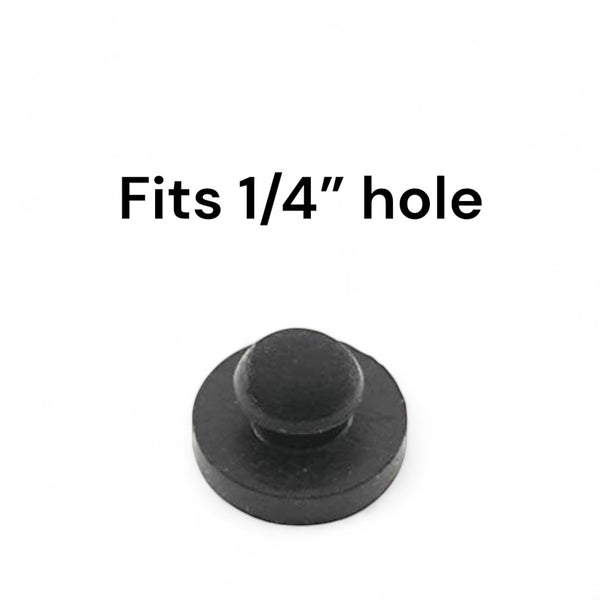
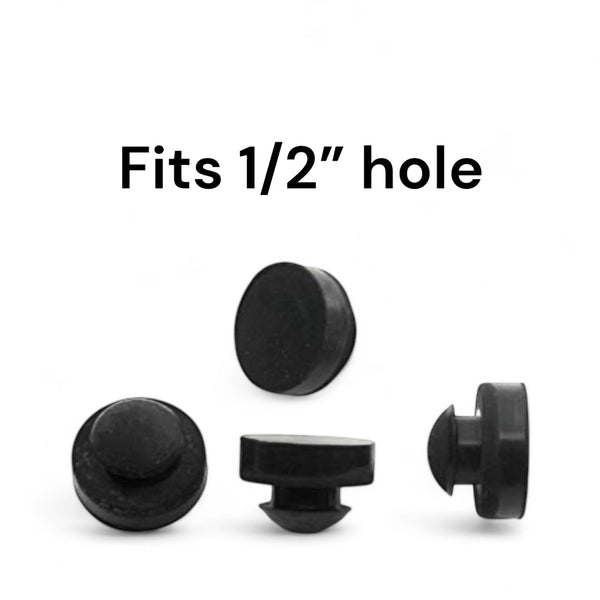
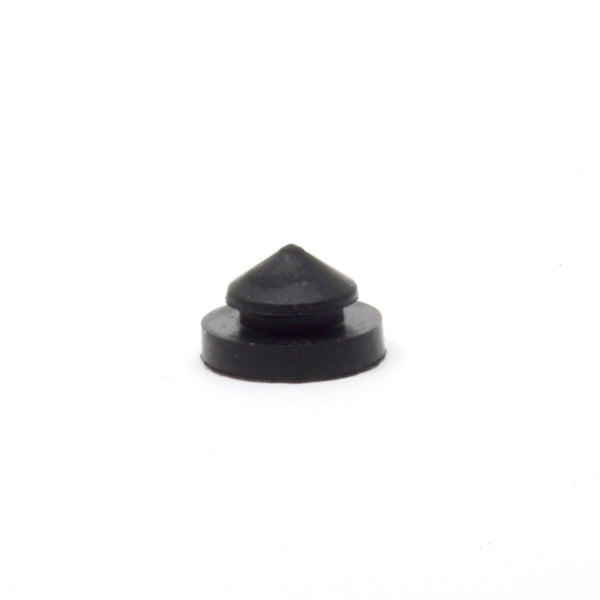
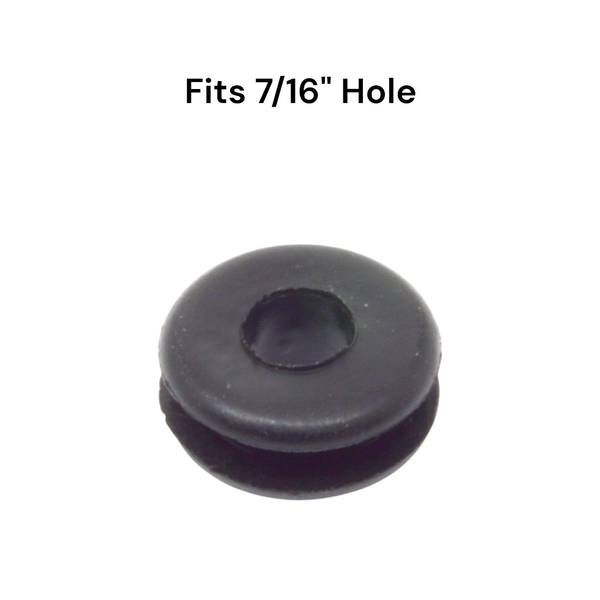
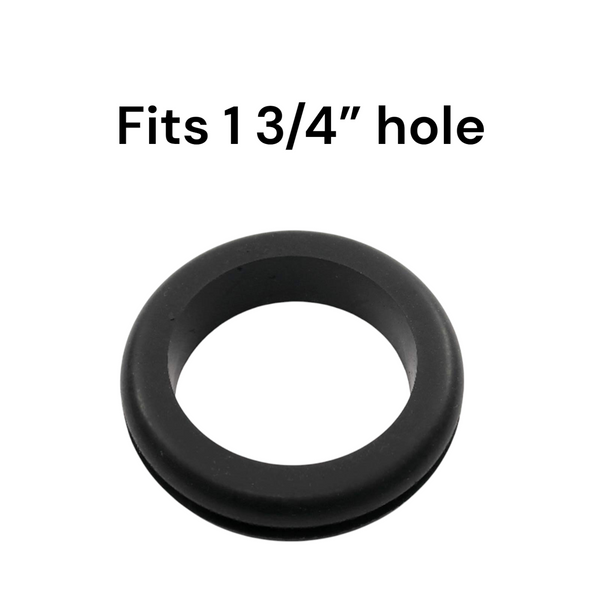
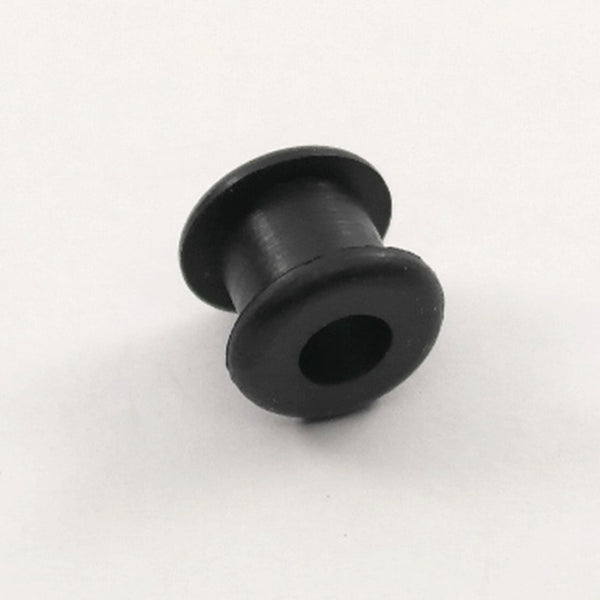
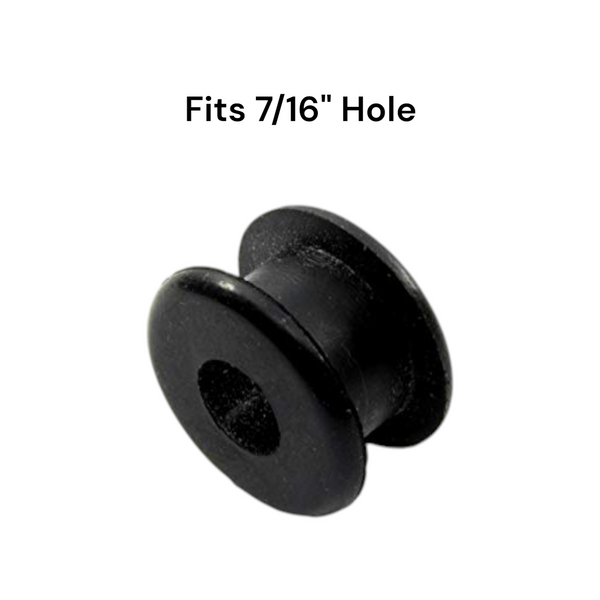
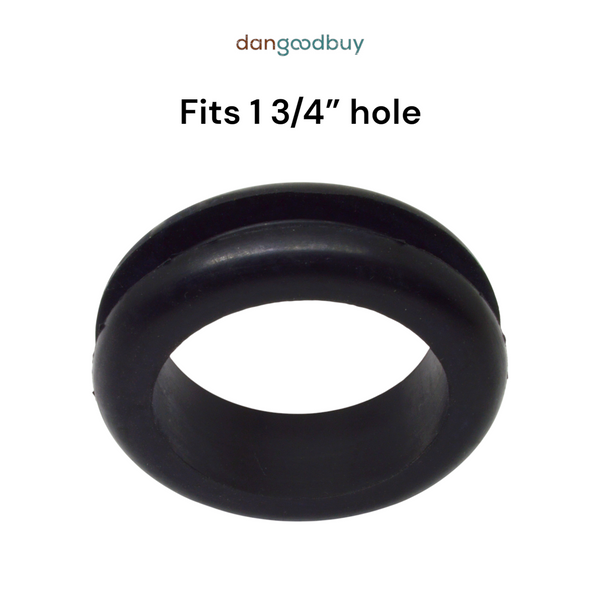
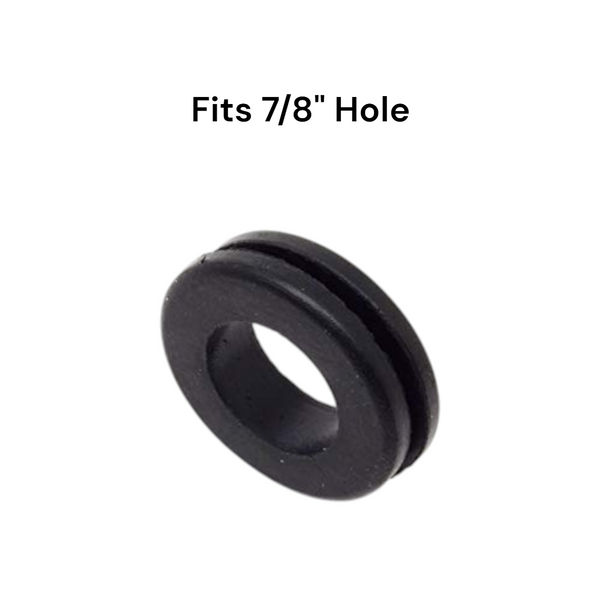
Push-in or snap-in feet use a stem that fits into a prepared hole. These are common on metal cabinets, electronics enclosures, and molded cases. The hole diameter and panel thickness are critical. A stem that is slightly too small can loosen over time; one that is too large may damage the panel during installation. This is where fitment-based shopping saves time: measure the hole and panel before ordering.
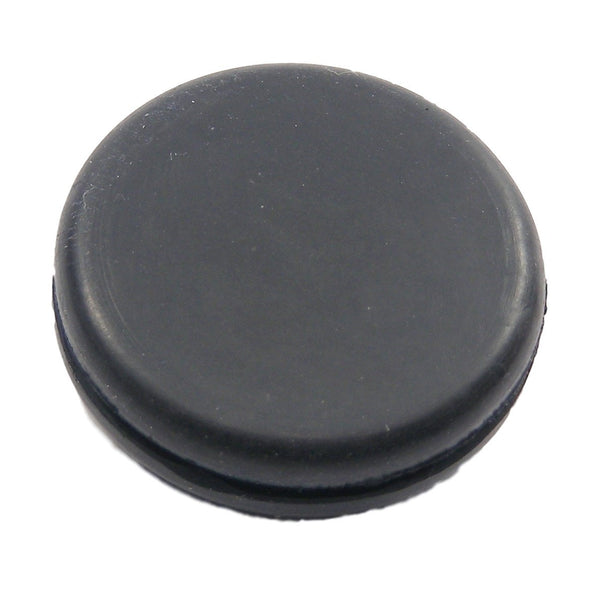
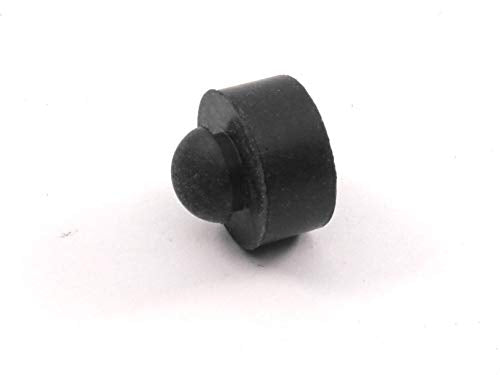
Some applications need a non-marring bumper rather than a traditional foot. Low-profile tack bumpers can prevent doors, lids, drawers, and panels from making hard contact. They are useful for light protection, but they are not a substitute for load-bearing feet under heavy equipment.
Size, Hardness, and Vibration: The Trade-Offs
Rubber hardness is usually expressed on the Shore A scale. Lower numbers feel softer and compress more easily. Higher numbers are firmer and better at holding shape under load. A soft foot can improve grip and reduce minor vibration, but under a heavy machine it may compress until the equipment bottoms out or becomes unstable.
A firmer foot supports weight better and can resist wear, but it may transmit more vibration into the supporting surface. The best balance depends on the equipment. A small electronic device may only need enough softness to avoid scratching a desktop. A benchtop machine may need a wider, thicker foot that can absorb movement without squashing flat.
Do not assume that more compression always means better vibration isolation. If a foot is overloaded, it loses much of its ability to work as intended. If vibration is severe, rubber feet may help but will not solve an underlying issue such as an unbalanced motor, loose fasteners, a bent fan, or a machine mounted on an unstable stand.
A Practical Measurement Checklist Before You Order
Before selecting a replacement or new set of feet, write down the equipment weight, number of feet needed, base diameter, desired height, mounting style, and the surface the equipment will sit on. If there is a mounting hole, measure its diameter and the material thickness around it. For screw-mounted options, identify the screw thread or plan to match the foot to hardware you already have.
It also helps to check whether the equipment needs ventilation clearance. The underside of a power supply, router, amplifier, or control box may rely on a gap for airflow. Replacing a 1/2-inch foot with a thin bumper can reduce that clearance and raise operating temperatures. Conversely, adding very tall feet can create leverage that puts more strain on a thin cabinet bottom.
For projects with uncertain fitment, avoid ordering based only on a general description like “small rubber foot.” At dangoodbuy, the useful way to narrow the options is by exact dimensions and application needs, whether you need a low-profile bumper, a push-in foot for a panel hole, or a larger screw-mounted base for shop equipment.
Common Mistakes That Lead to Bad Fitment
The most common mistake is buying a foot based on outside diameter while ignoring the stem, mounting hole, or panel thickness. Another is treating all black rubber as the same material. A foot used under an indoor media cabinet does not face the same conditions as one installed on automotive equipment or a garage tool.
Buyers also sometimes replace only one missing foot. Even if the replacement looks close, different height or hardness can make equipment rock. For a level, stable result, replace the full set when the existing feet are worn, compressed, or cracked.
Finally, do not use an adhesive bumper where a fastened foot is needed. Adhesive is convenient, but vibration, heat, dust, and frequent repositioning can work against it. A screw-mounted or push-in style takes a little more planning and usually pays off in a longer-lasting installation.
When Rubber Feet Are Not the Whole Answer
If the equipment is extremely heavy, runs at high speed, or produces strong vibration, standard feet may be only one part of the solution. You may need purpose-built vibration isolators, a reinforced mounting base, leveling hardware, or a repair to the equipment itself. Rubber feet are excellent for grip, surface protection, and light-to-moderate vibration control, but they cannot safely compensate for a machine that is improperly mounted or mechanically failing.
Measure first, choose the mounting style second, and then match the material to the environment. That small amount of planning turns a minor replacement part into a cleaner, quieter, more stable setup that stays that way.