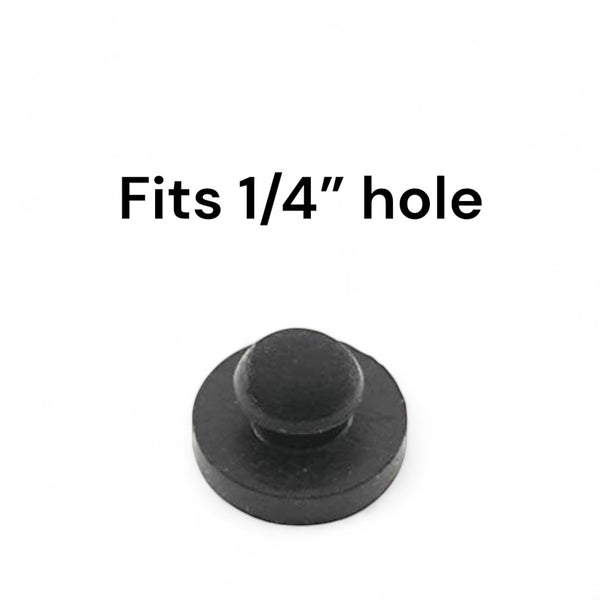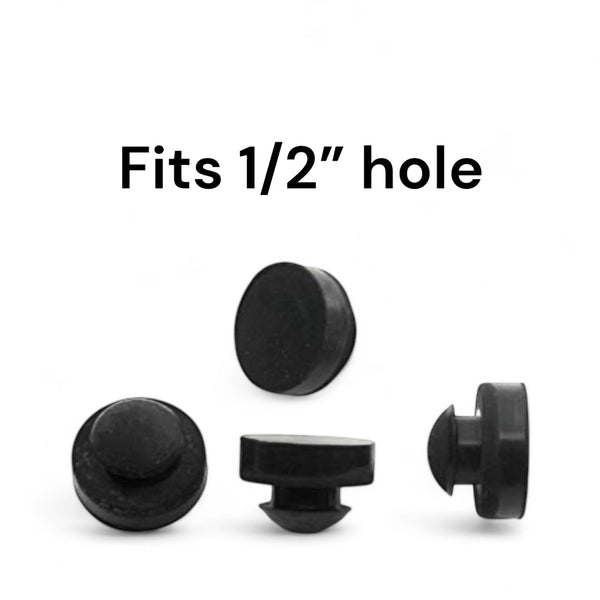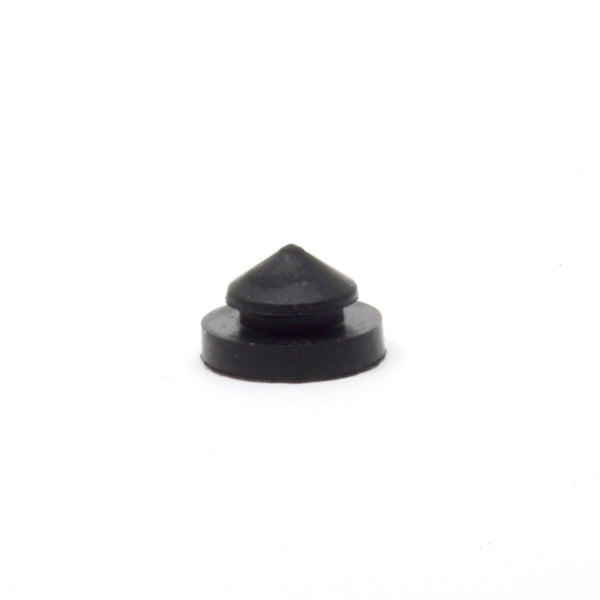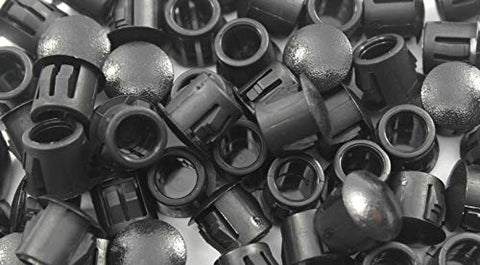
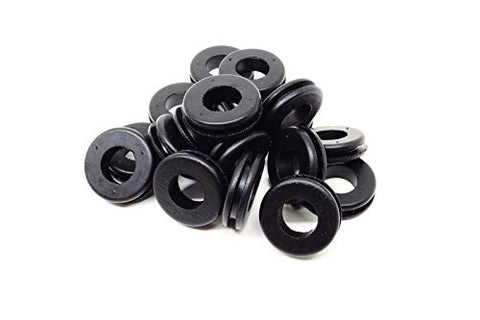

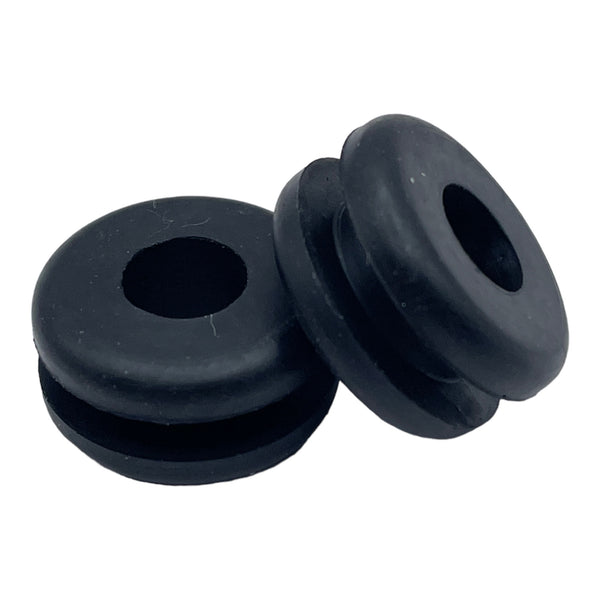
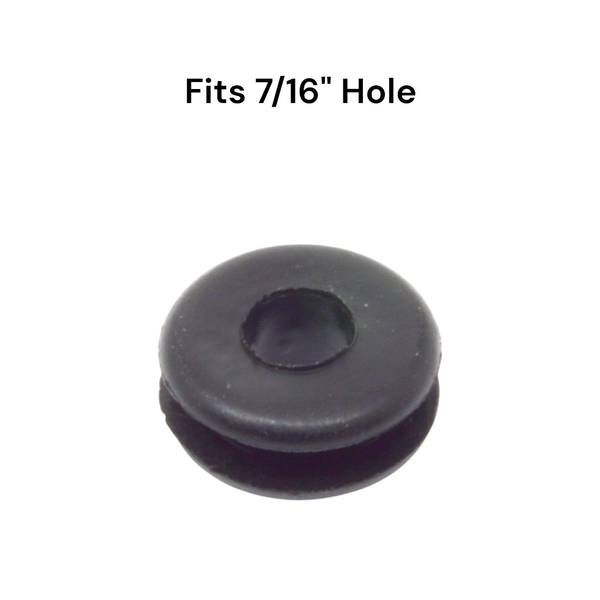
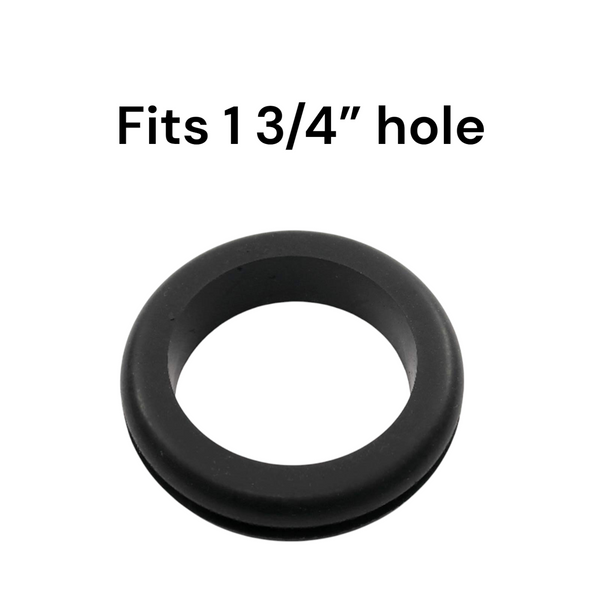
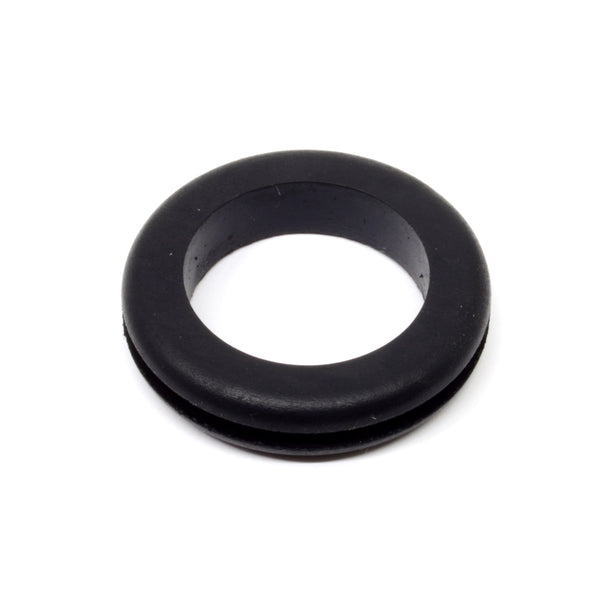
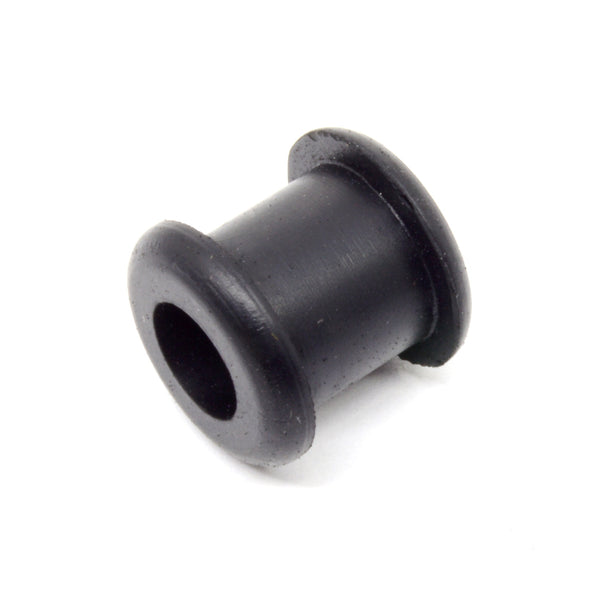
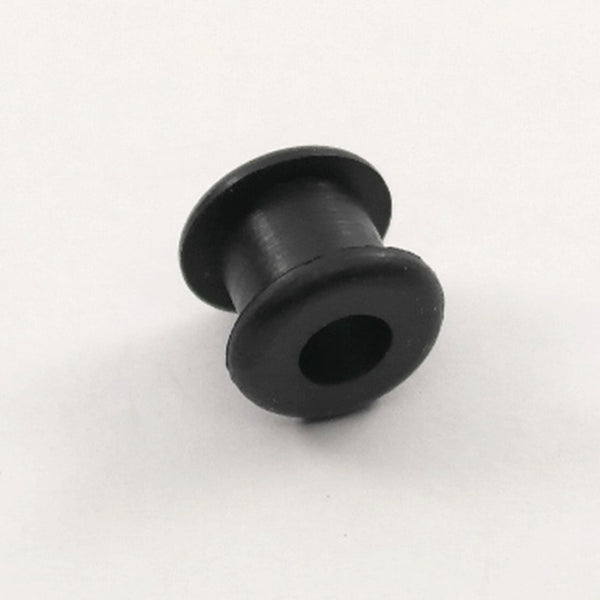
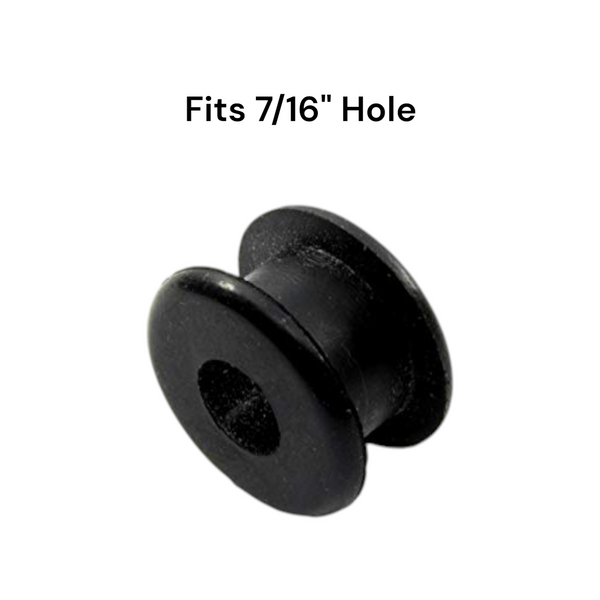
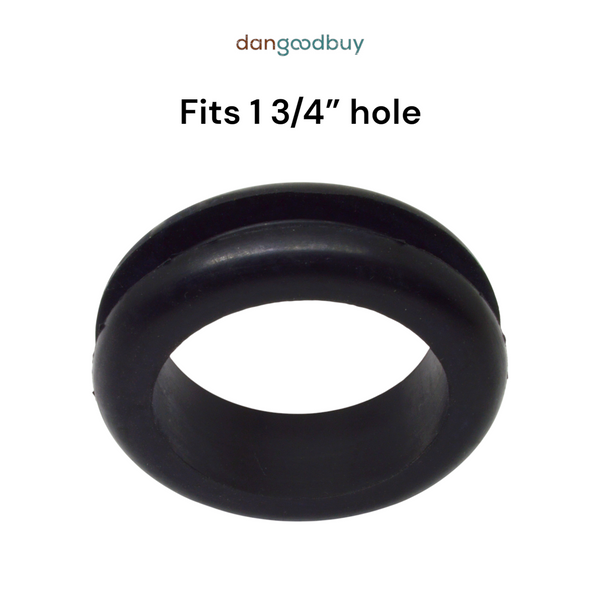
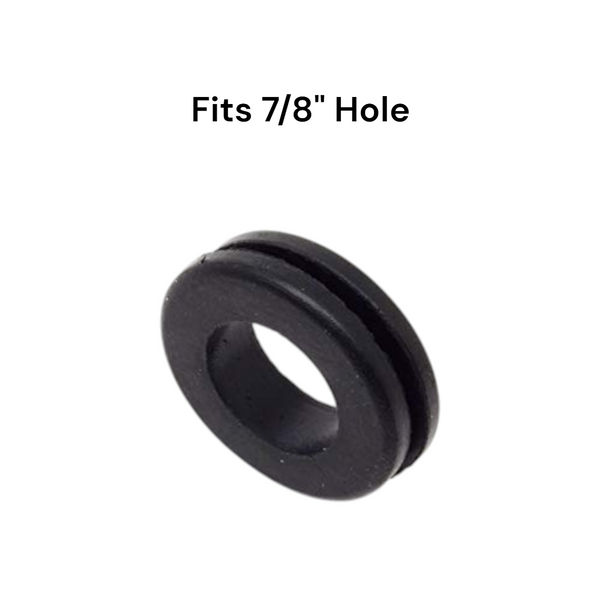

If you are placing a wholesale rubber grommets bulk order, the part that usually causes trouble is not price. It is fit. A grommet that looks close enough in a photo can still fail if the hole size, groove width, panel thickness, or inner diameter is off by even a little. That is why bulk buying works best when the order starts with measurements, not guesses.
Rubber grommets are simple parts, but they do a very specific job. They protect wires and hoses from sharp panel edges, reduce vibration, improve finish quality, and help equipment hold up better over time. When you are ordering a handful, a sizing mistake is annoying. When you are ordering hundreds or thousands, it can stall a repair schedule, delay assembly, or leave you sitting on inventory that does not fit anything.
Why wholesale rubber grommets bulk order planning matters
Bulk purchasing makes sense for a lot of buyers. Small shops need repeat-use parts on hand. Maintenance teams want to avoid downtime. Electricians and automotive repair buyers often use the same sizes again and again. DIY sellers and kit builders may also need consistent components for packaged products.
The upside of buying in volume is obvious - lower unit cost, fewer reorders, and better consistency across jobs. The trade-off is that accuracy matters more. If your application varies from one panel to another, or if you are replacing older parts with inconsistent measurements, ordering too much too soon can create waste.
That is why the smartest buyers do not start with quantity breaks. They start by confirming the exact grommet spec and then scale up from there.
Start with the measurements that actually matter
For most rubber grommet applications, three main dimensions do the heavy lifting. The first is the mounting hole size. This tells you what diameter hole the grommet is designed to snap into. The second is panel thickness, or groove width, since a grommet that is right for a thin sheet may not lock in properly on a thicker panel. The last is the inner diameter, which controls what wire, cable, tube, or shaft can pass through the center.
This is where buyers often get tripped up. They measure the outer diameter of an old part and assume that is enough. It usually is not. Two grommets can have similar outside dimensions but fit very differently depending on groove and panel specs.
If you are replacing an existing part, measure the panel opening first, then compare the old grommet. If the part is worn, cracked, or compressed from age, trust the panel and pass-through dimensions more than the old rubber itself.
Hole size vs. inner diameter
These are not interchangeable. A buyer might say they need a 1-inch grommet, but that could mean a 1-inch hole size or a 1-inch center opening. Those are very different parts. When you request pricing or compare options, always state which measurement you mean.
Panel thickness changes the fit
This matters more than many buyers expect. A grommet designed for thin sheet metal can feel loose in a thicker panel, or it may not seat correctly at all. If your application uses plastic enclosures, steel panels, or fabricated housings with different thicknesses across projects, verify whether one grommet can cover that range or whether you need multiple sizes.
Material choice is not just a technical detail
A lot of bulk buyers focus on dimensions first, which is correct, but material comes next for a reason. Standard rubber works well for many indoor and general-purpose uses. But if the grommet will deal with heat, weather, oil exposure, UV, or vibration over long periods, material selection affects service life.
For example, an indoor electrical box and an engine bay are not asking the same thing from a grommet. A garage project and a commercial outdoor enclosure are not the same either. If the environment is mild, a standard option may be perfectly fine and more economical. If the application is harsh, going cheaper up front can lead to cracking, swelling, or early replacement.
This is one of those areas where it depends on the job. Not every buyer needs a premium material. But every buyer should know the actual conditions the part will face before placing a large order.
When to buy in bulk and when not to
A wholesale rubber grommets bulk order makes the most sense when your size and application are repeatable. Production runs, maintenance stock, fleet repair, shop replenishment, and recurring installs are all good fits for bulk purchasing.
It makes less sense when you are still testing fitment, working with mixed panel sizes, or sourcing for older equipment where dimensions vary from unit to unit. In those cases, starting with a smaller quantity can save money even if the unit cost is a little higher.
There is nothing wrong with buying light first. In fact, for many customers, that is the practical move. Confirm fit, then place the larger order with confidence.
Common mistakes that cost buyers money
The biggest mistake is ordering from pictures alone. Rubber grommets often look similar, especially online, and visual comparison is a poor substitute for dimensions.
The next mistake is rounding measurements too aggressively. If your panel opening measures slightly under or over a nominal size, that detail matters. A close fit is the whole point of the part.
Another common issue is ignoring installation conditions. If the panel edge is rough, if the wire bundle is tighter than expected, or if the assembly process involves repeated movement, the correct spec on paper may still need a little real-world margin.
Buyers also sometimes overestimate how much they need. Bulk pricing is attractive, but ordering two years of supply for a design that may change in six months is not always a bargain. The better approach is to balance price breaks with realistic usage.
How to compare suppliers for a bulk order
For this kind of part, a good supplier does more than list a bag of grommets with a vague size label. You want clear naming, exact measurements, and a shopping process built around fitment. That saves time and reduces the chance of getting the wrong part.
Flexible quantities matter too. Some buyers need 25 pieces. Others need 2,500. A supplier that can support both is easier to work with because you are not forced into industrial minimums before you are ready.
Shipping terms also matter more than they seem. On low-cost hardware components, freight can distort the real cost fast. Clear pricing and free shipping can make a meaningful difference, especially for small businesses and repeat buyers trying to keep purchasing simple.
This is where a measurement-first store structure helps. Instead of chasing part numbers through a giant catalog, you can narrow the selection by the dimensions that actually determine fit. That is a much easier way to buy technical hardware, especially when you are trying to move quickly.
A simple process for getting the order right
If you are sourcing for a team, write down the application before you shop. Note the hole size, panel thickness, inner diameter needed, and the environment the grommet will live in. Then decide whether the use case is standard enough to justify a larger buy.
If the part is replacing an old grommet, verify measurements from the panel and not just the worn sample. If it is for a new build, confirm the actual production hole size rather than relying only on a drawing, especially if fabrication tolerances vary.
Then match quantity to usage. If demand is steady and the fit is confirmed, bulk ordering is usually the right call. If demand is uncertain, split the purchase into a test quantity and a follow-up order.
For buyers who want technical parts without industrial catalog headaches, dangoodbuy keeps the process straightforward by organizing around measurements and fitment details instead of forcing you to guess from photos.
The best bulk order is usually the boring one - the one that fits the first time, installs without drama, and quietly keeps your project moving. At dangoodbuy, we may not always have the best per unit price. However, our shipping is free and you wouldn't have to purchase your bulk product in annoying 100 unit bags when you need 10,000 of them.