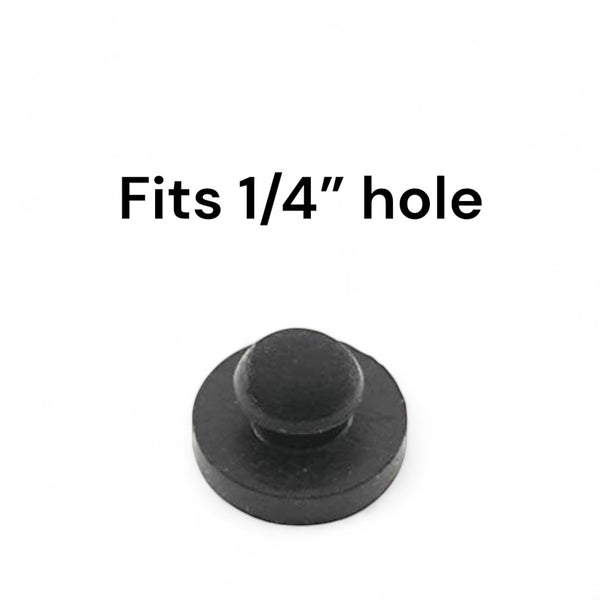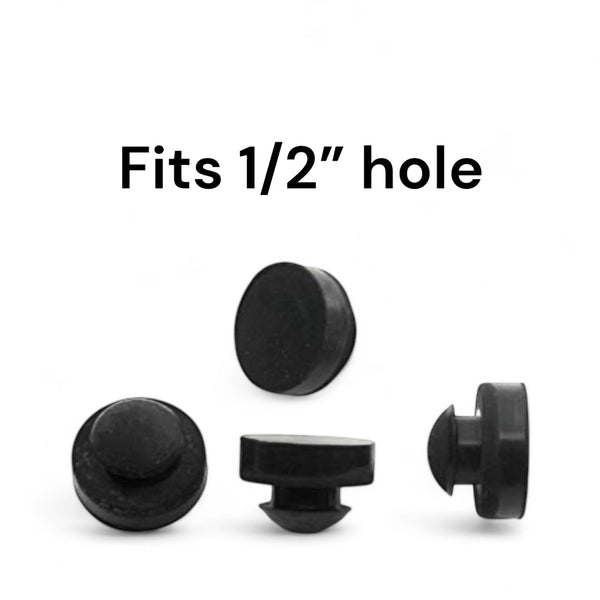

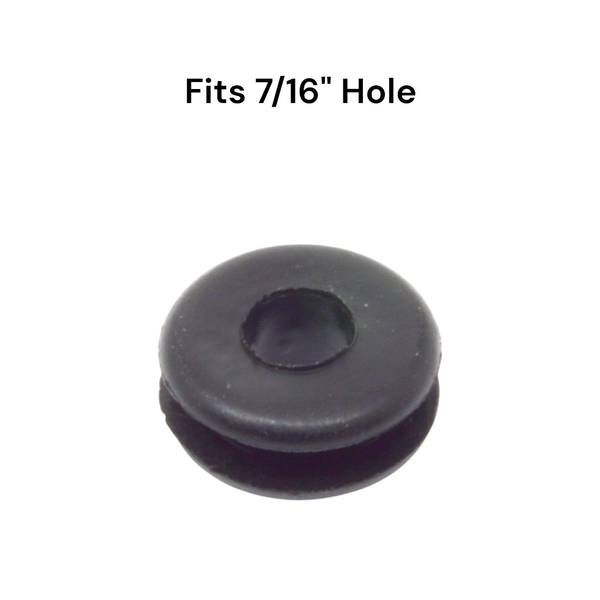
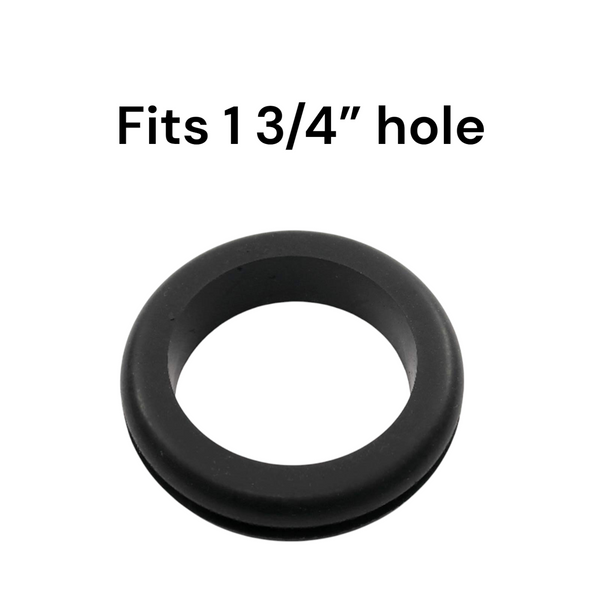
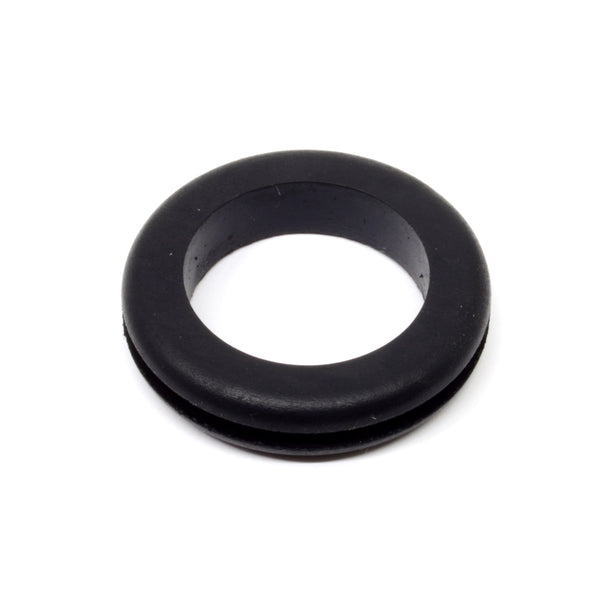
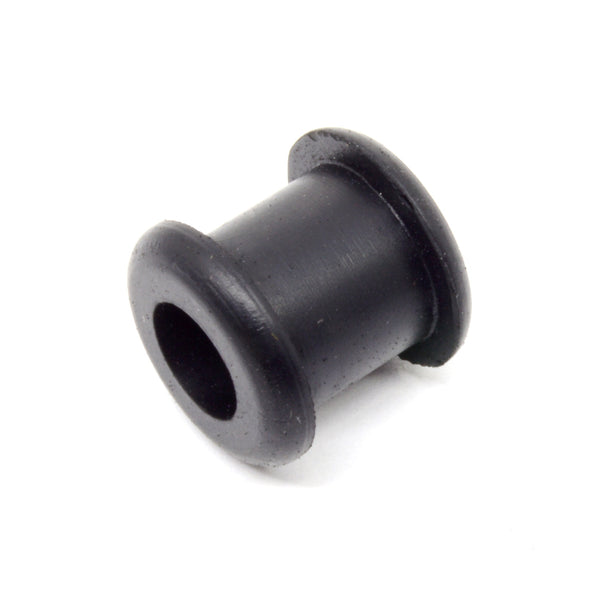

If you have ever stared at a round hole in a panel, frame, or enclosure and thought, "I just need the right plug," this is where the confusion usually starts. Rubber plugs vs panel plugs is not just a naming issue. These parts solve different problems, and picking the wrong one can mean a loose fit, a poor seal, or a plug that pops out when you least want it to.
The simplest way to think about it is this: a rubber plug is usually chosen for sealing a hole, while a panel plug is usually chosen for covering and locking into a panel opening. Sometimes one part can do a little of both, but the design priority is different. That difference matters when you are dealing with vibration, weather exposure, unfinished holes, wiring pass-throughs, or equipment that needs a clean finished look.
Rubber plugs vs panel plugs: the core difference
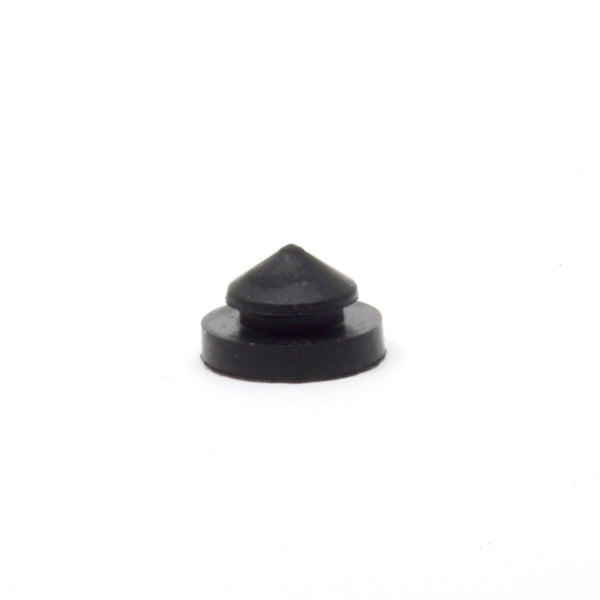
A standard rubber plug is generally about closure and sealing. It is often used to block dust, moisture, air, or debris from entering an opening. Depending on the style, it may press in, taper into place, or fit snugly by outside diameter. These are common in automotive work, shop projects, equipment repair, and any application where an unused hole needs to be closed off quickly and securely.
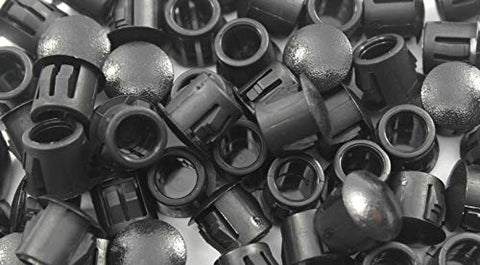
A panel plug, especially a locking panel plug, is more about fitment through a panel thickness. It is designed to snap or lock into a hole in sheet metal, plastic, fiberglass, or another panel material. The goal is usually to cover the opening neatly and stay put once installed. Some panel plugs help with basic sealing, but their main job is retention in a panel opening, not acting like a compression stopper.
That distinction becomes clearer when you look at how each part is measured. Rubber plugs are often selected by the hole diameter they need to fill and the plug dimensions that create a tight seal. Panel plugs are more likely to be selected by hole size and panel thickness, because the groove or locking feature has to match the panel for a proper hold.
When a rubber plug is the better choice
Rubber plugs make sense when sealing performance is the priority. If you have an unused hole in a body panel, a cabinet, a housing, or a mechanical assembly and you want to keep out water, dirt, noise, or airflow, rubber is often the better material. It compresses, conforms, and handles imperfect surfaces better than many rigid plug styles.
This is especially useful in older equipment or field repairs where the hole may not be perfectly clean or the edge may not be ideal. A rubber plug can tolerate a little variation and still create a usable seal. That flexibility is one reason these plugs show up in electrical boxes, automotive floors, firewall openings, appliance repairs, and shop-built enclosures.
There is a trade-off, though. A basic rubber plug may not have the same mechanical locking strength as a dedicated panel plug. In low-vibration or low-stress situations, that may be perfectly fine. In high-vibration equipment, exterior vehicle use, or panels that flex, you need to pay closer attention to retention.
Material also matters. Softer rubber can seal better but may be easier to dislodge if the fit is marginal. A firmer compound may hold shape better, but it may not conform as easily to uneven edges. That is why exact measurements matter more than the product name.
When a panel plug is the better choice
A panel plug is usually the better fit when the opening is in a defined panel and you want a clean, finished appearance with reliable snap-in retention. These are common in electrical enclosures, access panels, vehicle interiors, dashboards, metal cabinets, and fabricated housings where the hole was made for an option, pass-through, or mounting point that is not being used.
The advantage is consistency. A good panel plug is designed around the geometry of the hole and the thickness of the panel. Once installed, it sits neatly and resists backing out. If appearance matters, panel plugs usually look more intentional than a general-purpose rubber plug.
They are also a better answer when the panel itself is doing the holding. That is the key idea. Instead of relying mainly on rubber compression inside the hole, the plug uses a groove, flange, or locking feature that engages the panel material. In a production setting or repeated application, that can make installation more predictable.
The trade-off is that panel plugs tend to be less forgiving if your measurements are off. If the hole is oversized, out of round, or the panel thickness falls outside the intended range, the plug may not lock properly. In those cases, a flexible rubber plug may actually work better.
Fitment matters more than the name
This is where buyers usually get tripped up. Two plugs can look similar in a photo and still fit very differently once you have them in hand. The most reliable way to choose between rubber plugs vs panel plugs is to measure the application first, then match the part style to the job.
Start with hole diameter. Measure the actual opening, not your best guess based on a drill bit size or old part number. If the hole is irregular, measure at more than one point. A fraction of an inch can decide whether a plug seals tightly, snaps in correctly, or falls short.
Next, check panel thickness if the opening is in sheet material. This is critical for locking panel plugs. A plug made for thin sheet metal may not seat correctly in a thicker plastic wall, and the reverse can be just as frustrating.
Then think about the goal. If you need to stop water and dust, lean toward a sealing-focused rubber plug. If you need a clean cover that stays locked in a panel opening, lean toward a panel plug. If you need both, look closely at the product design instead of assuming every plug does everything equally well.
Common use cases and the right choice
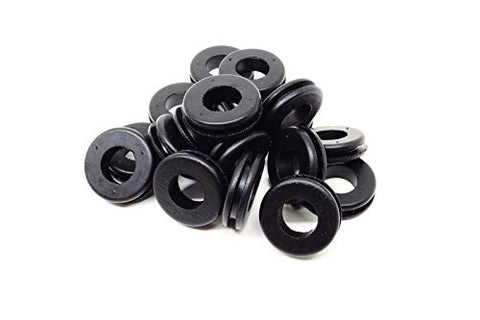
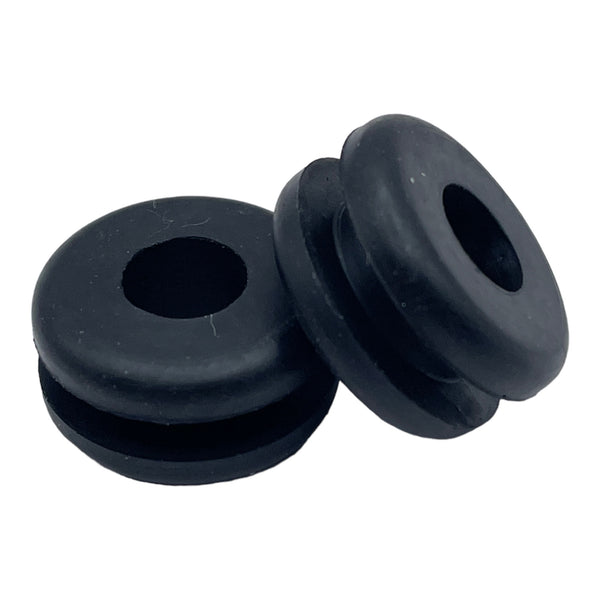
In automotive repairs, rubber plugs are often the better choice for floor pan holes, firewall openings, and body drain or access points where moisture and road debris are the concern. A locking panel plug can still work in some vehicle applications, but the environment usually favors flexibility and sealing.
In electrical boxes and enclosures, it depends on whether you are covering a knockout, closing an unused panel opening, or trying to protect the inside from dust. A panel plug often works well for neat closure on a known panel thickness. A rubber plug may be better if the opening is rough, if the enclosure is exposed, or if you want more compression in the fit.
For fabricated equipment and shop projects, panel plugs are often preferred when appearance matters and hole sizes are controlled. If you are building multiple units and each panel is punched the same way, locking plugs create a more repeatable result. For one-off repairs or mixed-material projects, rubber plugs are usually more forgiving.
For DIY home repairs, the best option is often the one that matches the hole dimensions accurately and does not require buying a huge quantity just to test fit one opening. That is one reason measurement-driven part selection is so useful. It saves time and cuts down on trial and error.
How to choose without overthinking it
If the hole is in a true panel and you know the panel thickness, start by looking at panel plugs. If the job is mainly to seal out dust, water, or debris, start by looking at rubber plugs. If you are between the two, ask one simple question: do I need compression sealing or panel retention more?
That question usually gets you most of the way there. Compression sealing points toward rubber. Panel retention points toward a locking panel plug. When both matter, compare the actual dimensions and construction features instead of shopping by category name alone.
This is also where low-quantity buying helps. If you are not completely certain, being able to order just what you need instead of committing to a bulk industrial pack makes the decision a lot easier. dangoodbuy is built around that kind of fitment-first shopping, so you can compare parts by measurements instead of trying to guess from catalog language.
The mistake to avoid
The biggest mistake is assuming all hole plugs are interchangeable. They are not. A plug that looks close in diameter can fail if the groove width is wrong, the panel is too thick, or the material is too stiff for the job. That is why exact hole size, panel thickness, and application type should guide the choice every time.
You do not need the fanciest part. You need the one that matches the opening and does the job you actually need done. Measure first, match the part second, and the whole process gets a lot less frustrating.
A good plug should disappear into the project once it is installed. That is usually the sign you chose the right one.